

Introduction
McDonald’s remains one of the world’s most popular fast-food chains, serving millions of customers every day. While convenience and taste attract people to the brand, many consumers are now paying closer attention to health and dietary habits. As a result, understanding McDonald’s nutrition has become increasingly important for anyone trying to balance enjoyment with healthier eating choices.
Modern consumers are more informed than ever, and nutritional transparency has become a major factor when selecting meals. Whether someone is counting calories, increasing protein intake, or reducing sodium and sugar consumption, knowing the nutritional value of menu items helps people make informed decisions without giving up their favorite foods.
In 2026, menu customization and nutritional awareness continue to shape eating habits. From breakfast sandwiches to burgers, fries, salads, and beverages, McDonald’s nutrition information provides valuable insights that allow customers to enjoy fast food while maintaining a balanced lifestyle.
Understanding McDonald’s Nutrition
The concept of McDonald’s nutrition goes beyond simply counting calories. Nutrition involves understanding the balance of carbohydrates, proteins, fats, vitamins, minerals, sodium, and sugar contained in various menu items. Different foods provide different nutritional benefits, and portion sizes also play a significant role in overall dietary intake.
Fast-food meals are often criticized for being high in sodium and saturated fat, but McDonald’s has expanded its menu over the years to include lighter options and customizable meals. Customers can now choose grilled items, fruit sides, lower-calorie beverages, and smaller portions depending on their health goals. This shift reflects changing consumer preferences and growing awareness regarding healthy eating.
Why Nutritional Information Matters
People today follow diverse dietary patterns, including high-protein diets, low-carb plans, weight management programs, and heart-conscious eating habits. Access to McDonald’s nutrition details helps consumers align menu choices with their personal goals.
For example, an athlete may prioritize protein-rich options to support muscle recovery, while someone managing calorie intake might select smaller portions and avoid sugary drinks. Families also benefit from nutritional information because parents can make more informed choices for children and teenagers.
Another important factor is transparency. Consumers increasingly expect restaurants to provide accurate nutritional data, and McDonald’s continues to offer information that helps customers understand what they are eating.
McDonald’s Menu Categories and Nutritional Value
McDonald’s menu includes a wide range of products, each with varying nutritional profiles. Burgers, chicken sandwiches, breakfast items, fries, desserts, beverages, and snacks all contribute differently to daily calorie and nutrient intake.
Protein-rich foods such as burgers and chicken sandwiches can help satisfy hunger, but they may also contain significant amounts of sodium and saturated fat. Side items and beverages often add additional calories, making it important to consider the complete meal rather than focusing on a single item.
Understanding McDonald’s nutrition allows customers to balance indulgence with moderation and choose combinations that better suit their dietary preferences.

Nutritional Comparison of Popular McDonald’s Items
The following table provides approximate nutritional values for several popular menu items.
| Menu Item | Calories | Protein | Carbohydrates | Fat |
|---|---|---|---|---|
| Hamburger | 250 | 12 g | 31 g | 9 g |
| Cheeseburger | 300 | 15 g | 32 g | 13 g |
| Big Mac | 550 | 25 g | 45 g | 30 g |
| McChicken | 400 | 14 g | 40 g | 21 g |
| Filet-O-Fish | 390 | 16 g | 39 g | 19 g |
| Medium Fries | 320 | 4 g | 43 g | 15 g |
| Egg McMuffin | 310 | 17 g | 30 g | 13 g |
Actual values may vary by country and serving size, but these figures provide a general overview of current menu offerings.
Breakfast Nutrition at McDonald’s
Breakfast remains one of the most popular categories at McDonald’s. Options such as Egg McMuffins, hotcakes, sausage biscuits, hash browns, and breakfast burritos provide varying combinations of carbohydrates, fats, and protein.
Among these choices, the Egg McMuffin is frequently regarded as one of the more balanced items because it contains moderate calories and a relatively high amount of protein. Pairing breakfast sandwiches with black coffee or water instead of sugary beverages can help reduce total calorie consumption.
People interested in McDonald’s nutrition often appreciate breakfast options because many items provide enough protein to keep hunger under control throughout the morning.
Burgers and Sandwiches: Nutritional Considerations
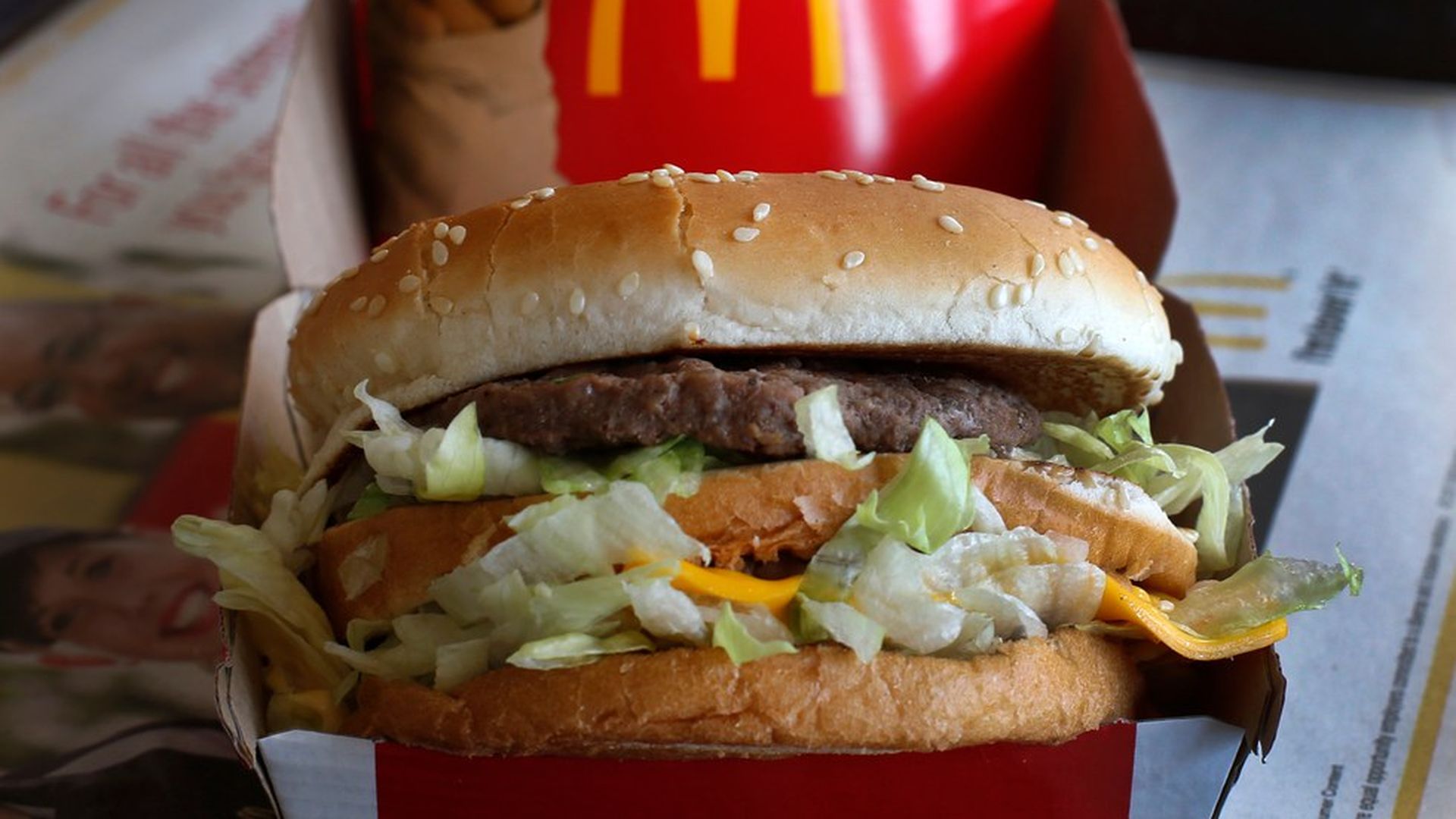
Burgers are central to the McDonald’s experience, ranging from simple hamburgers to premium options like the Big Mac and Quarter Pounder. These products supply protein and energy, but larger burgers can contain higher amounts of fat, sodium, and calories.
Choosing smaller burgers or skipping extra sauces can help reduce calorie intake without sacrificing flavor. Portion awareness is especially important because toppings and cheese contribute additional saturated fat. Understanding McDonald’s nutrition enables customers to enjoy classic favorites while practicing moderation.
Chicken Options and Their Nutritional Profile
Chicken sandwiches have become increasingly popular among consumers seeking alternatives to beef. Depending on preparation methods, chicken items may offer lower fat content and higher protein levels.
Grilled varieties generally contain fewer calories compared with crispy or fried versions. However, sauces and buns can still contribute substantial carbohydrates and sodium. Reviewing McDonald’s nutrition information helps consumers determine which chicken products best align with their health goals.
French Fries and Side Items
French fries are among McDonald’s most iconic menu items. Their crispy texture and familiar flavor make them a favorite companion to burgers and sandwiches. However, fries contribute additional calories and fat, particularly when ordered in larger sizes.
Side items such as apple slices and fruit options provide lighter alternatives for individuals seeking more balanced meals. Combining smaller portions with healthier side choices can help create a meal that satisfies cravings without excessive calorie intake.
Beverage Choices and Hidden Calories
Many consumers underestimate the impact beverages have on daily nutrition. Soft drinks, milkshakes, flavored coffees, and sweetened beverages can significantly increase sugar and calorie consumption.
Health-conscious customers often prefer:
- Water for zero calories and hydration.
- Unsweetened coffee with minimal calories.
- Low-fat milk for additional calcium and protein.
- Smaller drink sizes to reduce sugar intake.
These simple adjustments can make a meaningful difference in overall dietary balance and support healthier eating habits.
Desserts and Treats
Desserts such as cookies, pies, McFlurries, and ice cream cones add enjoyment to meals but are generally higher in sugar and calories. Moderation is key when incorporating these treats into a balanced diet.
Rather than consuming desserts frequently, many people choose them occasionally as part of an overall healthy lifestyle. Awareness of McDonald’s nutrition helps consumers enjoy sweet treats responsibly without exceeding their daily calorie goals.
Healthier Ways to Order at McDonald’s
Eating healthier at McDonald’s does not necessarily mean eliminating favorite foods. Smart ordering strategies can significantly improve meal quality and nutritional balance.
Some practical approaches include:
- Choosing smaller portions instead of large-sized meals.
- Adding protein-rich items to stay fuller for longer.
- Selecting water or unsweetened beverages.
- Limiting extra sauces and toppings.
- Including fruit or lighter side options when available.
These habits demonstrate how understanding McDonald’s nutrition can support healthier decisions while preserving convenience and enjoyment.
Protein and Weight Management
Protein plays a major role in appetite control and muscle maintenance. Many McDonald’s menu items contain moderate to high amounts of protein, making them suitable for individuals seeking balanced meals.
For example, breakfast sandwiches and beef burgers can provide enough protein to increase satiety. Pairing these foods with healthier sides and avoiding excessive sugary drinks creates meals that align more closely with weight-management goals.
Consumers interested in fitness and active lifestyles often use McDonald’s nutrition information to estimate calorie intake and monitor macronutrients throughout the day.
Sodium and Sugar Awareness
While calories receive considerable attention, sodium and sugar are equally important aspects of nutrition. Processed foods and sauces can contribute large amounts of sodium, which may affect blood pressure when consumed excessively.
Sugary beverages and desserts also add significant calories without providing substantial nutritional benefits. Reading McDonald’s nutrition details enables consumers to identify products that fit within recommended dietary guidelines and maintain better overall balance.
McDonald’s Nutrition and Changing Consumer Trends
Consumer preferences continue to evolve, and restaurants have adapted accordingly. Many people now prioritize transparency, portion control, protein content, and ingredient quality. McDonald’s has responded by offering nutritional information and menu customization options that help customers make informed decisions.
Digital ordering platforms and nutrition calculators have also made it easier for people to compare meals before purchasing. These developments reflect broader trends toward health awareness and responsible eating habits.
Frequently Asked Questions
Is McDonald’s food unhealthy?
McDonald’s food can fit into a balanced diet when consumed in moderation. Healthfulness depends on portion sizes, beverage choices, and the overall quality of daily eating habits. Understanding McDonald’s nutrition helps consumers make smarter decisions.
Which McDonald’s item has the highest protein?
Several burgers and breakfast sandwiches provide high amounts of protein. Larger beef burgers and certain chicken options are among the best choices for individuals seeking higher protein intake.
Can I lose weight while eating at McDonald’s?
Yes. Weight loss primarily depends on maintaining a calorie deficit. Selecting moderate portions, choosing lower-calorie beverages, and balancing meals throughout the day can support weight-management goals.
Are French fries high in calories?
French fries contribute a significant number of calories and fat, especially in larger sizes. Ordering smaller portions can help control calorie intake while still enjoying the product.
Does McDonald’s provide nutritional information?
Yes. Nutritional information is widely available and helps consumers understand calories, protein, carbohydrates, fats, sodium, and other nutrients present in menu items.
What is considered a balanced McDonald’s meal?
A balanced meal may include a moderate-sized sandwich, water or unsweetened coffee, and a lighter side option. Portion control and beverage selection play important roles in creating healthier combinations.
Conclusion
Understanding McDonald’s nutrition has become increasingly important as consumers prioritize healthier lifestyles and informed food choices. Modern eating habits are no longer focused solely on convenience; people want transparency and flexibility that allow them to enjoy their favorite meals responsibly.
By paying attention to calories, protein, sodium, sugar, and portion sizes, customers can create meals that fit their personal goals without giving up the foods they enjoy. McDonald’s nutrition information serves as a valuable tool for balancing taste, convenience, and wellness, proving that mindful choices can make fast food part of a healthy and sustainable lifestyle.
Read More:-Grilled Chicken Breast Nutrition Guide