
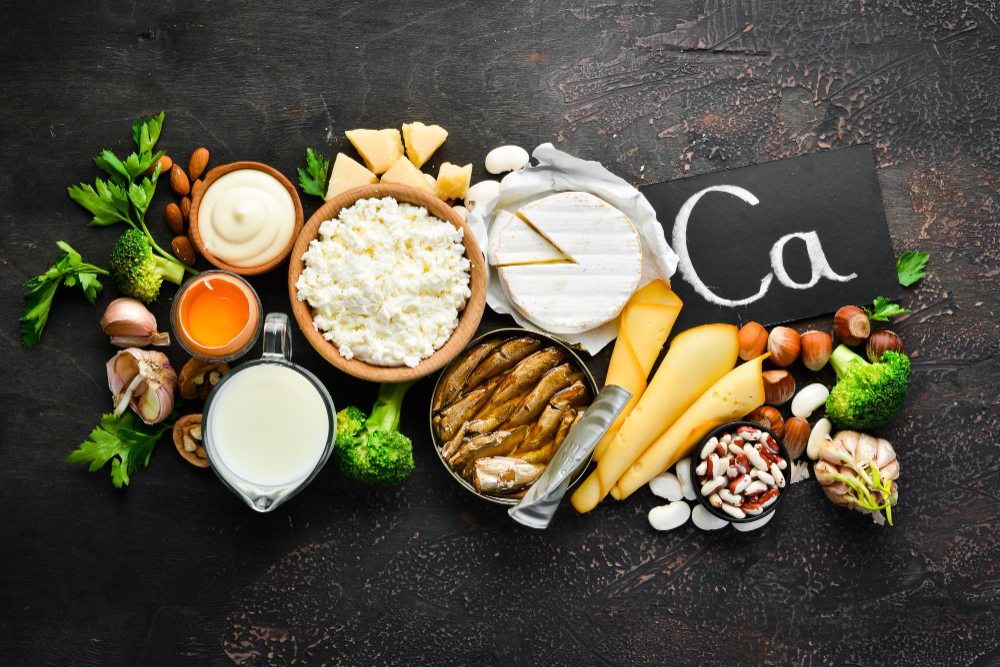

Calcium is an essential mineral that supports strong bones, healthy teeth, normal muscle function, and proper nerve communication. It also plays an important role in blood clotting and maintaining a regular heartbeat. Although milk and dairy products are well-known sources of calcium, people following vegetarian diets have plenty of other options to meet their daily nutritional needs. Choosing a variety of calcium-rich foods can help make everyday meals nutritious, balanced, and enjoyable.
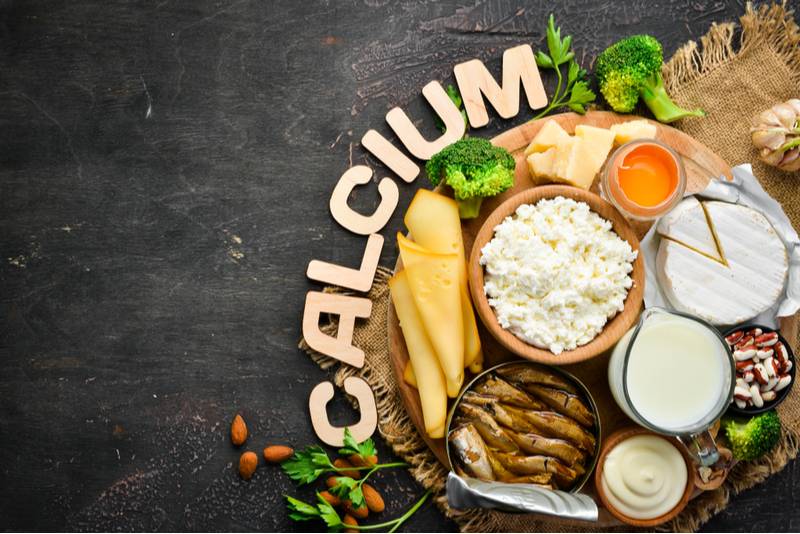
There are many calcium rich foods vegetarian individuals can include in breakfast, lunch, dinner, and snacks. These options include milk, yogurt, paneer, sesame seeds, almonds, tofu prepared with calcium salts, leafy green vegetables, beans, and calcium-fortified plant-based drinks. Some foods naturally contain more calcium than others, while certain fortified products provide additional amounts. Understanding the nutritional value of these foods makes it easier to plan meals that support bone health without relying on a single ingredient.
Why Is Calcium Important for the Body?
Calcium is best known for its contribution to bone and dental health. Approximately 99% of the body’s calcium is stored in bones and teeth, where it provides strength and structural support. The body continuously remodels bone tissue, making an adequate calcium intake important throughout life. Children and teenagers need calcium for growth, while adults require it to maintain bone strength and reduce the risk of bone loss as they age.
Calcium also supports several essential functions beyond the skeleton. It helps muscles contract, allows nerves to transmit signals, and contributes to normal blood clotting. If dietary calcium remains insufficient over time, the body can draw calcium from bones to maintain important functions. This is why eating calcium-rich foods regularly is more helpful than trying to obtain the mineral through occasional high-calcium meals.
A well-planned vegetarian diet can provide adequate calcium when it includes appropriate portions of dairy products or suitable plant-based alternatives, vegetables, legumes, seeds, and fortified foods. Vitamin D is also important because it helps the body absorb calcium. Regular physical activity, sufficient protein, and an overall balanced diet further support healthy bones.
Top Calcium Rich Foods Vegetarian People Can Eat Daily
1. Milk
Milk is one of the most convenient sources of calcium for vegetarians who consume dairy products. One cup of cow’s milk, approximately 240 millilitres, generally provides around 275–300 mg of calcium, depending on the product. It also supplies protein, phosphorus, and vitamin B12. Some milk products are fortified with vitamin D, which helps the body absorb calcium.
Milk can be consumed with breakfast, added to oatmeal, blended into smoothies, or used in soups and other dishes. People who prefer plant-based diets can choose fortified soy milk or other fortified alternatives, but the calcium content should be checked on the nutrition label. Unsweetened varieties may be useful for those who want to limit added sugar.
2. Yogurt and Curd
Yogurt and traditional curd are valuable sources of calcium and protein. Depending on the type and serving size, a 170-gram serving of plain yogurt may provide approximately 200–300 mg of calcium. Yogurt also contains beneficial bacterial cultures when it is made with live cultures, although the strains and amounts vary between products.
Curd is easy to incorporate into Indian meals. It can be served with rice, vegetables, or flatbreads, or used to prepare raita and refreshing snacks. Greek yogurt may offer more protein than regular yogurt, but its calcium content varies by brand and production method. Checking the nutrition label is the best way to compare products accurately.
3. Paneer
Paneer is a popular vegetarian food made from milk and used in many Indian dishes. It supplies protein and calcium, although the exact amount depends on the preparation method and moisture content. A 100-gram serving may provide roughly 200–500 mg of calcium, but some products contain considerably less.
Paneer can be added to vegetable curries, stuffed flatbreads, salads, wraps, and grilled dishes. For a balanced meal, combine it with vegetables and whole grains rather than relying entirely on paneer for calcium. People monitoring saturated fat intake can select suitable portions and balance their diet with legumes, nuts, seeds, and vegetables.
4. Sesame Seeds
Sesame seeds are among the most concentrated plant-based sources of calcium. Approximately one tablespoon of sesame seeds may provide around 80–90 mg, although the amount varies by variety and preparation. Whole sesame seeds have a hard outer layer, which can reduce the availability of some minerals. Tahini, or sesame seed paste, is another option, but its calcium content depends on whether the seeds have been hulled.
Sesame seeds can be sprinkled over salads, cooked vegetables, rice, and flatbreads. In Indian cooking, til can be used to prepare chutneys, laddoos, and other traditional dishes. These foods can contribute to daily calcium intake while also providing healthy fats and other nutrients. Because seeds are energy-dense, moderate portions are generally practical.
5. Almonds
Almonds provide calcium along with protein, fibre, magnesium, and unsaturated fats. A 28-gram serving, roughly one small handful, contains about 70–80 mg of calcium. Although almonds are nutritious, they should be viewed as one part of a broader calcium strategy because ordinary portions provide less calcium than a cup of milk or a suitable serving of calcium-rich tofu.
Almonds can be eaten as a snack, added to porridge, blended into smoothies, or chopped over salads. Almond butter is another option, although its calcium content depends on the product. Almonds are useful for adding variety to a vegetarian diet, but eating large quantities is not necessary to obtain their nutritional benefits.
6. Tofu
Tofu is a valuable plant-based protein source, particularly for vegetarians who avoid dairy. Its calcium content depends heavily on the coagulant used during manufacturing. Tofu made with calcium sulfate can contain substantial amounts of calcium, sometimes several hundred milligrams per serving, while tofu made with other coagulants may contain much less.
Check the nutrition label to identify products with higher calcium content. Tofu can be stir-fried, grilled, added to curries, or combined with vegetables in soups. It absorbs flavours well and works in many cuisines. Including calcium-set tofu in regular meals can help people following vegan or dairy-free diets obtain calcium alongside protein.
7. Leafy Green Vegetables
Some leafy green vegetables contribute meaningful amounts of calcium. Kale, bok choy, collard greens, and certain other greens are useful choices. In contrast, spinach contains calcium but is also high in oxalates, compounds that reduce calcium absorption. Consequently, the amount of calcium listed for spinach does not reflect how much the body can use.
Vegetables such as broccoli and bok choy can be included in curries, stir-fries, soups, and side dishes. Indian households can also incorporate suitable green vegetables into everyday meals. Eating a range of vegetables provides calcium along with fibre, folate, vitamin C, and other nutrients. Variety is important because no single vegetable supplies every nutrient in the amounts needed.
8. Chickpeas and Other Beans
Chickpeas, white beans, and other legumes contribute calcium, protein, fibre, and several minerals. Their calcium content differs by variety and cooking method. For example, one cup of cooked chickpeas generally provides around 80 mg of calcium, while some white beans provide considerably more.
Legumes are particularly useful because they can form the foundation of affordable vegetarian meals. Chickpeas can be used in chana masala, salads, soups, and roasted snacks. Beans can be added to vegetable stews, rice dishes, and mixed curries. Although they may not match dairy products in calcium concentration, eating them regularly supports a nutritious and varied diet.
9. Chia Seeds
Chia seeds contain calcium, fibre, plant-based omega-3 fatty acids, and protein. Two tablespoons, approximately 28 grams, provide around 175–180 mg of calcium. This makes chia seeds a convenient addition to meals, particularly for people who prefer plant-based foods.
They can be mixed into oatmeal, smoothies, or yogurt and used to prepare chia pudding. Because chia seeds absorb liquid and expand, they are best consumed with adequate fluid and prepared appropriately. Their fibre content can also support digestive health when introduced gradually. Small daily portions can help improve the nutritional variety of a vegetarian diet.
10. Calcium-Fortified Foods
Fortified foods can be especially helpful for vegetarians who do not consume dairy products. Certain soy, oat, and almond drinks contain added calcium, while some breakfast cereals and other packaged products are fortified with minerals and vitamins. Calcium-fortified plant drinks can provide amounts comparable to cow’s milk, but this varies widely between brands.
Always read the nutrition label to check the calcium amount per serving. Shake fortified plant-based drinks before use if the packaging recommends it, because added calcium may settle during storage. Choose products that suit your nutritional needs and preferences, paying attention to added sugars and other ingredients. Fortified foods can make meeting daily calcium requirements easier without requiring major changes to familiar meals.
Calcium Content of Common Vegetarian Foods
The following table gives approximate calcium amounts for practical serving sizes. Actual values vary with food variety, preparation, and brand.
| Vegetarian food | Typical serving | Approximate calcium |
|---|---|---|
| Cow’s milk | 1 cup (240 ml) | 275–300 mg |
| Plain yogurt | 170 g | 200–300 mg |
| Paneer | 100 g | 200–500 mg |
| Sesame seeds | 1 tablespoon | 80–90 mg |
| Almonds | 28 g | 70–80 mg |
| Cooked chickpeas | 1 cup | 80 mg |
| Chia seeds | 2 tablespoons | 175–180 mg |
| Calcium-set tofu | 100 g | 200–500 mg or more |
| Cooked bok choy | 1 cup | Around 150–160 mg |
| Cooked broccoli | 1 cup | Around 60 mg |
| Fortified soy drink | 1 cup (240 ml) | Often 250–350 mg |
Values are estimates, not guaranteed product specifications. Check labels for packaged foods and use a reliable nutrition database for precise dietary calculations.
How Much Calcium Do You Need Every Day?
Calcium requirements depend on age, sex, life stage, and the guidelines used in a particular country. For many adults, commonly used recommendations fall around 1,000 mg per day. Some older adults and certain groups require approximately 1,200 mg daily under specific national guidelines.
Children and teenagers need sufficient calcium during periods of rapid growth. Pregnant and breastfeeding adults generally have calcium requirements similar to those of other adults in the same age group, although individual circumstances and local recommendations should be considered. People with particular medical conditions or dietary restrictions may need personalised guidance.
The easiest approach is to spread calcium-rich foods throughout the day instead of depending on one meal. Milk or fortified soy drink at breakfast, curd with lunch, and calcium-set tofu or paneer at dinner can contribute meaningfully. Seeds, almonds, beans, and vegetables can provide additional amounts. A balanced eating pattern is usually more practical than trying to meet the entire requirement with one food.

Benefits of Eating Calcium-Rich Vegetarian Foods
Including calcium-rich foods in daily meals supports several important functions:
- Stronger bones and teeth: Calcium helps maintain skeletal structure and dental health.
- Normal muscle function: The mineral is involved in muscle contraction and relaxation.
- Nerve communication: Calcium supports the transmission of signals between nerves and other cells.
- Blood clotting: It plays an essential role in normal blood-clotting processes.
- Balanced vegetarian nutrition: Calcium-containing foods can also supply protein, fibre, magnesium, and other nutrients.
- Support throughout life: Adequate intake is important during childhood, adulthood, and older age.
Calcium alone does not guarantee healthy bones. Vitamin D, protein, weight-bearing exercise, and other dietary and lifestyle factors also matter. People who are concerned about bone density or possible nutrient deficiencies should consult a qualified healthcare professional.
Tips for Improving Calcium Absorption
Choosing foods with high calcium content is important, but absorption also affects how much calcium the body can use. Vitamin D supports calcium absorption, so adequate vitamin D intake is essential. Sun exposure can contribute to vitamin D production, but the amount produced varies with location, skin characteristics, season, and other factors. Food sources and supplements may be needed in some circumstances following appropriate advice.
It is also helpful to eat a varied diet. Calcium from low-oxalate vegetables such as bok choy may be absorbed more efficiently than calcium from high-oxalate spinach. Tofu made with calcium salts and fortified plant drinks can be useful choices. People who consume plant-based foods should compare labels because calcium levels vary significantly between products.
For most healthy people, calcium is best obtained primarily through food. Supplements may be appropriate when dietary intake is insufficient or a healthcare professional recommends them. Taking unnecessary high doses can increase the risk of problems, including kidney stones in susceptible individuals. If supplements are needed, the appropriate dose depends on the person’s diet, age, health, and other medications.
Sample Vegetarian Meal Plan for Calcium Intake
A simple meal plan can help distribute calcium sources across the day without making meals complicated.
| Meal | Example | Calcium contribution |
|---|---|---|
| Breakfast | Oatmeal with milk or fortified soy drink and chia seeds | Moderate to high |
| Mid-morning snack | A small handful of almonds | Small |
| Lunch | Chickpea curry, vegetables, whole-wheat roti, and curd | Moderate |
| Evening snack | Sesame-based snack or yogurt | Moderate |
| Dinner | Calcium-set tofu or paneer with vegetables and rice | Moderate to high |
The actual calcium total depends on portion sizes, ingredients, and product labels. This plan is a starting point rather than a fixed prescription. People following vegan diets can replace dairy foods with suitable fortified alternatives and calcium-set tofu. Anyone with special dietary needs should adapt the plan with professional guidance.
Common Mistakes to Avoid
One common mistake is assuming that every plant-based milk contains the same amount of calcium as cow’s milk. Some products are fortified, while others contain very little. Always check the label before treating a plant drink as a major calcium source.
Another mistake is relying exclusively on spinach or almonds. Both can contribute to a healthy diet, but neither should be the only source of calcium. Spinach contains oxalates that reduce calcium absorption, and ordinary servings of almonds supply relatively modest amounts. A combination of dairy or fortified alternatives, selected vegetables, seeds, beans, and tofu is generally more effective.
It is also important not to ignore vitamin D or overall dietary balance. Consuming calcium without considering other aspects of bone health may leave nutritional gaps. Finally, avoid taking high-dose calcium supplements without a clear reason or professional guidance. Food-first planning is a sensible starting point for most people.
Conclusion
A balanced vegetarian diet can provide the calcium needed to support healthy bones, teeth, muscles, nerves, and other essential body functions. Milk, curd, paneer, sesame seeds, chia seeds, almonds, legumes, selected green vegetables, calcium-set tofu, and fortified plant-based drinks all offer useful options. The best choices depend on personal preferences, dietary restrictions, availability, and nutritional needs.
By combining several calcium sources throughout the day, vegetarians can build practical meals without depending on a single ingredient. Pay attention to serving sizes, product labels, vitamin D intake, and overall diet quality. For most people, a varied food-based approach is a straightforward way to improve calcium intake and support long-term health.
Ultimately, calcium rich foods vegetarian meal planning is about consistency, variety, and choosing foods that fit everyday eating habits. Small changes to breakfast, snacks, lunch, and dinner can make a meaningful contribution to meeting daily calcium requirements.