

Getting Started with Physical Fitness
Being physically fit is the most important part of living a healthy life. It includes strength, endurance, flexibility, and general health. Getting in shape isn’t just about how you look; it also has a big effect on your mental health, how long you live, and the quality of your daily life. In today’s world, technology and formal certifications have made it easier for people to keep track of their fitness levels and make them better.
To stay fit, you need to do a combination of things, such as exercise regularly, eat well, and live a healthy lifestyle. Wearable devices and fitness apps have changed the way people think about exercise. Also, certifications in physical fitness give people who want to get professional training or improve themselves a clear path to follow.
Why being fit is important
Why You Should Work Out Regularly
Regular exercise has many benefits, including:
-
Better heart health: Aerobic exercise makes the heart stronger and lowers the risk of heart disease.
-
Improved muscle strength and flexibility: Resistance training makes muscles stronger, more toned, and more flexible.
-
Mental health benefits: Exercise releases endorphins, which lowers stress, anxiety, and depression.
-
Managing your weight: Exercise helps you burn calories and keep your body weight at a healthy level.
-
More energy: Working out regularly makes you stronger and less tired.
Staying in Shape and Avoiding Illness
Staying fit lowers the risk of long-term health problems like diabetes, high blood pressure, obesity, and osteoporosis. It also boosts the immune system, which helps the body fight infections better. Research shows that even light exercise, like walking or riding a bike, can make a big difference in your health.
What is a Physical Fitness Certificate?
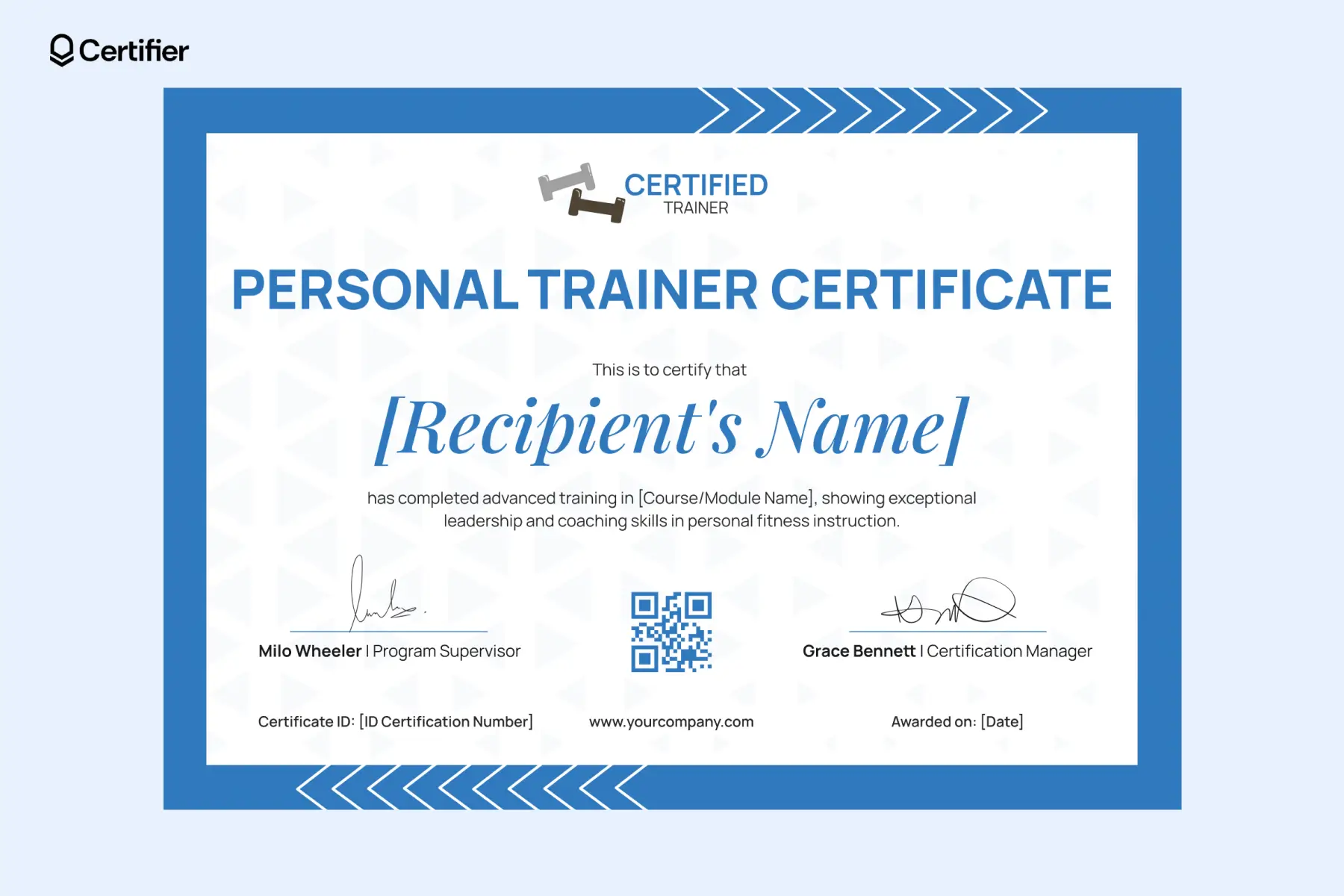
A physical fitness certificate is an official paper that proves how healthy and fit a person is. It is often necessary to play sports, work in some fields, or sign up for fitness programs. A certified health professional or fitness trainer does a full evaluation and then gives out the certificate.
What a Fitness Certificate Should Have
A typical physical fitness certificate might have:
-
Information about yourself and your medical history
-
Important signs (heart rate, blood pressure)
-
Body composition and body mass index (BMI)
-
Tests for cardiovascular endurance and muscle strength
-
Suggestions for changes to your diet or exercise routine
Why Fitness Certification Is Important
Getting a fitness certification is very important for:
-
Athletes: Makes sure they’re ready for competitive sports.
-
Jobs: Required in military, police, firefighting, and modeling.
-
Health monitoring: Helps keep an eye on how your body is changing over time.
-
Insurance: Some insurance plans may require a fitness test to get coverage.
Fitness Apps: Changing the Way We Work Out
Fitness apps are programs that you can use on your phone or online to help you keep track of and improve your physical activity. They have things like workout plans, nutrition plans, progress tracking, and reminders. Fitness apps have become an important part of personal health since smartphones became popular.
Why You Should Use Fitness Apps
-
Personalized workouts: Exercise plans tailored to your goals, fitness level, and available equipment.
-
Progress tracking: Logs workouts, calories burned, steps, and other health data.
-
Gamification and challenges: Helps people stay motivated and engaged.
-
Nutrition help: Some apps include diet plans and calorie tracking.
-
Remote coaching: Many apps allow interaction with trainers or fitness communities online.
Common Features of Fitness Apps
-
Step counters and pedometers
-
Heart rate monitoring
-
Workout timers and reminders
-
Diet and calorie tracking
-
Integration with wearable devices
Fitness Rings: Technology You Can Wear to Stay Healthy
What is a Fitness Ring?
A fitness ring is a wearable device that tracks different health metrics, similar to fitness bands, but in a ring shape. These gadgets are thin, light, and can be worn all day. Fitness rings are popular among tech-savvy fitness enthusiasts because they provide insights into sleep, activity levels, and overall health.
Important Things to Know About Fitness Rings
-
Activity tracking: Steps, calories burned, and workout duration.
-
Heart rate monitoring: Continuous heart rate tracking.
-
Sleep tracking: Monitors duration and quality of sleep.
-
Smart alerts: Notifications for movement, hydration, or stress levels.
-
Integration with apps: Syncs data with fitness apps for detailed analysis.
Why You Should Use a Fitness Ring
-
Encourages consistent physical activity
-
Provides accurate health metrics without bulky equipment
-
Helps set goals with real-time feedback
-
Improves sleep quality by monitoring rest patterns
-
Motivates users with daily insights and reminders
Making a Fitness Plan
Making a Balanced Workout Plan
A balanced fitness routine includes exercises for your heart, strength, flexibility, and recovery. Key elements include:
-
Cardio exercises: Running, biking, swimming, or brisk walking for heart health.
-
Strength training: Weight lifting, resistance bands, or bodyweight exercises.
-
Flexibility exercises: Yoga, Pilates, and stretching for mobility and injury prevention.
-
Rest and recovery: Essential for muscle repair and to prevent overtraining.
Adding Technology to Your Daily Life
-
Fitness apps: Track workouts and plan schedules.
-
Fitness rings: Monitor daily activity and progress.
-
Virtual classes: Join online sessions for motivation and guidance.
Food and Health
How Nutrition Affects Fitness
Nutrition is crucial for reaching fitness goals. A balanced diet fuels workouts, supports recovery, and improves overall health. Key components include:
-
Proteins: Muscle building and repair
-
Carbohydrates: Energy for high-intensity workouts
-
Fats: Hormone production and joint health
-
Vitamins and minerals: Support metabolism and immune function
-
Hydration: Maintains performance and prevents fatigue
Planning Meals for Fitness
-
Pre-workout: Carbohydrates and proteins for energy
-
Post-workout: Protein-rich foods for recovery
-
Daily balance: Whole grains, fruits, vegetables, and lean meats
Common Fitness Problems
Getting Past Obstacles to Working Out
Challenges include:
-
Lack of time
-
Limited access to equipment
-
Low motivation
-
Injuries or physical limitations
Ways to Keep Consistency
-
Schedule workouts like appointments
-
Use bodyweight exercises if equipment is unavailable
-
Set realistic goals and track progress
-
Leverage apps and wearables for motivation
Tracking Your Fitness and Setting Goals
Why It’s Important to Set Fitness Goals
Measurable goals help maintain focus and motivation. Goals can include:
-
Increasing endurance (e.g., running longer distances)
-
Building strength (e.g., lifting heavier weights)
-
Weight management (e.g., fat loss or muscle gain)
-
Improving balance or flexibility
Keeping Track of Your Goals with Technology
-
Fitness apps: Visual progress charts and reminders
-
Fitness rings: Daily metrics to compare with goals
-
Integration: Sync devices with apps for full analysis
Getting Fit for People of All Ages
Staying Fit Throughout Life
-
Children: Fun activities, motor skill development, avoid sedentary habits
-
Adults: Strength training, cardio, flexibility exercises
-
Seniors: Low-impact workouts like walking, yoga, and balance exercises
Changing Workouts Based on Age
-
Adjust intensity to match ability
-
Prioritize injury prevention
-
Focus on exercises that improve functionality and quality of life
Professional Help with Fitness
What Personal Trainers and Coaches Do
Certified trainers provide personalized guidance, motivation, and feedback. They help:
-
Create safe and effective workout plans
-
Correct exercise techniques
-
Monitor progress and adjust routines
-
Prevent injuries and overtraining
Programs for Getting a Fitness Certification
Certifications ensure trainers are knowledgeable and skilled. They may include:
-
CPR and first aid training
-
Exercise science and physiology knowledge
-
Nutrition guidance for clients
-
Specialized programs (strength, yoga, aerobics)
The Future of Fitness Technology
New Trends in Fitness
-
AI-powered personal coaching: Smart workout suggestions
-
Virtual reality workouts: Immersive exercise experiences
-
Advanced wearables: Accurate tracking of more metrics
-
Integrated health platforms: Combine nutrition, sleep, stress, and fitness monitoring
Benefits of Combining Technology
-
Convenience and accessibility
-
Gamification increases engagement
-
Better understanding of personal health metrics
-
Promotes sustainable healthy habits
Conclusion
Being fit is an important part of living a healthy and happy life. People can take charge of their health by exercising, eating well, and tracking progress with fitness apps, wearable devices like fitness rings, and formal fitness certifications. Whether starting out or already experienced, a structured fitness approach ensures long-lasting results, improved health, and a better quality of life.