


A well-developed chest is one of the most important goals for many fitness enthusiasts. While many people focus on building overall chest size, targeting different areas of the chest can help create a balanced and muscular appearance. The lower portion of the chest, known as the lower pectoral region, plays an important role in creating a fuller and more defined chest shape. A proper lower chest workout focuses on exercises that activate the lower fibers of the pectoralis major muscle and improve overall chest development.
Building the lower chest requires consistency, proper exercise selection, and correct form. Many people perform only flat bench presses and push-ups, which may not provide enough focus on the lower chest area. Including decline movements, pressing exercises, and controlled resistance training can help increase muscle activation and improve strength. Whether you are a beginner or an experienced lifter, adding targeted exercises to your routine can help you achieve better chest symmetry and muscle growth.
Understanding the Lower Chest Muscles
The chest muscles are mainly made up of the pectoralis major and pectoralis minor. The pectoralis major is a large muscle responsible for movements like pushing, pressing, and bringing the arms toward the body. This muscle has different sections, including the upper, middle, and lower chest fibers.
The lower chest fibers are activated when your arms move downward and forward during pressing movements. Exercises performed at a decline angle usually place more emphasis on these fibers. However, it is important to understand that you cannot completely isolate one part of the chest. Instead, specific angles and movements can increase focus on certain areas while still working the entire chest.
A balanced training routine that includes different angles helps develop a stronger and more attractive chest appearance. Combining lower chest exercises with upper and middle chest movements creates complete muscle development.
Benefits of Training the Lower Chest
Targeting the lower chest provides several benefits beyond improving appearance. A stronger lower chest contributes to better pushing strength and improved upper body performance. It also helps create a balanced chest structure by filling out the lower portion of the pectoral muscles.
Many individuals experience an underdeveloped lower chest because their workouts focus mainly on flat pressing movements. Adding exercises that specifically challenge the lower chest can help correct muscle imbalances and improve overall physique.
A consistent lower chest workout can also improve muscle endurance, increase chest strength, and support better performance in other upper-body exercises. Strong chest muscles help with daily activities that involve pushing movements, making chest training beneficial for both fitness and functional strength.
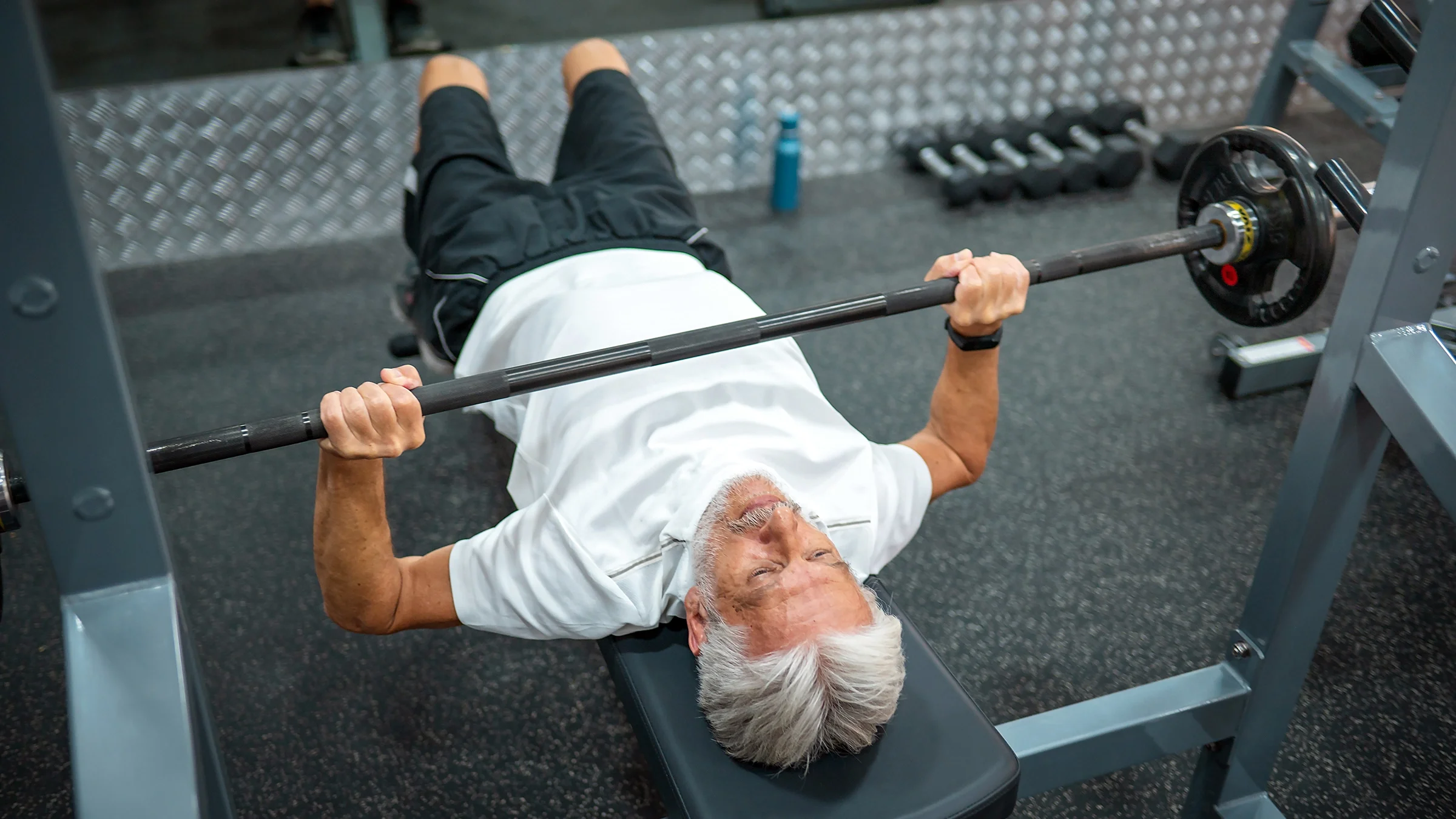
Best Lower Chest Workout Exercises
Decline Barbell Bench Press
The decline barbell bench press is one of the most effective exercises for targeting the lower chest. The decline angle changes the pressing movement and places more stress on the lower fibers of the pectoral muscles.
To perform this exercise, lie on a decline bench and secure your feet properly. Hold the bar slightly wider than shoulder width, lower it slowly toward your lower chest, and press it upward while maintaining control. Avoid using excessive weight because proper form is more important than lifting heavier loads.
This exercise allows you to use significant resistance, making it useful for building muscle size and strength. Including decline bench presses in your routine can help create a fuller chest appearance.
Decline Dumbbell Press
Decline dumbbell presses are another excellent option for developing the lower chest. Unlike a barbell, dumbbells allow each side of the chest to work independently, helping improve balance and muscle coordination.
During this exercise, keep your shoulders stable and lower the dumbbells with control. Focus on feeling the chest muscles working throughout the movement instead of simply moving the weight.
The increased range of motion provided by dumbbells can improve muscle stretching and contraction, making this exercise a valuable part of a complete lower chest workout routine.
Chest Dips
Chest dips are a bodyweight exercise that strongly activate the lower chest, shoulders, and triceps. By adjusting your body position, you can increase chest involvement and reduce stress on the arms.
To emphasize the chest, lean slightly forward while performing dips and allow your elbows to move naturally. Avoid rushing the movement and focus on controlled repetitions.
Dips are especially useful because they require stability and strength from multiple muscles. They can be performed with body weight or additional resistance as your strength improves.
Decline Push-Ups
Decline push-ups are a simple but effective exercise for targeting the lower chest without requiring gym equipment. They are suitable for beginners and can also be used as a finishing exercise for advanced athletes.
Place your feet on an elevated surface while keeping your hands on the ground. Lower your body slowly and push back up while maintaining proper alignment.
Although push-ups may seem basic, performing them with proper technique can provide excellent muscle activation and improve chest endurance.
How to Create an Effective Lower Chest Workout Routine
A successful workout routine should include exercises that challenge the muscles while allowing enough recovery time. Beginners can start with fewer exercises and gradually increase intensity as their strength improves.
A sample routine may include a combination of heavy pressing movements and controlled isolation exercises. Start with compound exercises like decline presses when your energy levels are highest, then move toward exercises that focus on muscle contraction.
Training volume, repetitions, and rest periods should match your fitness goals. For muscle growth, many people benefit from moderate repetitions with challenging weights. For strength improvement, heavier weights with lower repetitions may be effective.
Consistency is the most important factor. A well-planned lower chest workout performed regularly will produce better results than occasional intense sessions.
Common Mistakes During Lower Chest Training
Many people make mistakes that reduce the effectiveness of their chest workouts. One common mistake is using too much weight and sacrificing proper form. Poor technique can reduce muscle activation and increase injury risk.
Another mistake is ignoring the full range of motion. Moving the weight through a controlled path allows the chest muscles to stretch and contract properly.
Some people also train the chest too frequently without enough recovery. Muscles grow during rest periods, so allowing adequate recovery between workouts is essential for progress.
Avoiding these mistakes can improve workout quality and help you achieve better chest development.
Tips to Maximize Lower Chest Growth
Proper nutrition, recovery, and training consistency are important for building muscle. Eating enough protein supports muscle repair and growth after workouts. Staying hydrated and getting sufficient sleep also improves recovery.
Progressive overload is another important factor. This means gradually increasing the challenge by adding weight, increasing repetitions, or improving exercise control over time.
Warm-ups should also be part of your routine. Preparing your shoulders and chest muscles before training can improve performance and reduce the chance of injuries.
Combining proper training techniques with healthy lifestyle habits will help maximize the results of your chest-building efforts.
Lower Chest Workout for Beginners
Beginners should focus on learning proper movement patterns before increasing weight. Starting with exercises like decline push-ups, machine presses, and light dumbbell movements can help build strength safely.
A beginner routine does not need many exercises. Performing two or three effective movements with proper form can provide excellent results.
As strength improves, beginners can gradually add more resistance and advanced exercises. Patience and consistency are key because muscle development takes time.
Lower Chest Workout for Advanced Lifters
Advanced lifters can increase training intensity by using heavier weights, advanced techniques, and higher training volume. Combining different exercises can help prevent plateaus and continue stimulating muscle growth.
Techniques such as slow repetitions, drop sets, and controlled pauses can increase muscle challenge. However, these methods should only be used when proper form is already established.
Experienced athletes should also focus on maintaining balance between all chest areas to create complete upper-body development.
Importance of Recovery and Nutrition
Exercise alone is not enough to build a stronger chest. Recovery plays a major role in muscle growth because the body needs time to repair trained muscles.
A diet containing adequate protein, carbohydrates, healthy fats, vitamins, and minerals supports energy levels and muscle recovery. Without proper nutrition, workout progress may become slower.
Rest days allow muscles to rebuild and become stronger. Maintaining a balance between training and recovery is essential for long-term success.
Conclusion
Developing a strong and balanced chest requires focused training, proper exercise selection, and consistency. A well-designed lower chest workout can help improve chest shape, increase strength, and create better muscle definition. Exercises like decline bench presses, dumbbell presses, dips, and decline push-ups are effective options for targeting the lower chest area.
Remember that results come from regular training, proper nutrition, and patience. By using correct form and gradually increasing workout intensity, you can build a stronger and more developed chest while improving overall upper-body strength.
Read More:-RDL Workout Guide: Benefits, Form, Muscles & Training Tips