

Tooth sensitivity is a common dental concern that affects millions of people worldwide. The sudden sharp pain experienced when consuming hot coffee, cold ice cream, sweet foods, or even while brushing can significantly impact daily life. Fortunately, using the right toothpaste for sensitive teeth can help reduce discomfort and improve overall oral health.
Sensitive teeth occur when the protective enamel layer wears down or when gums recede, exposing the dentin beneath. Dentin contains tiny channels that connect to the tooth’s nerve center, making it more vulnerable to external stimuli. Specialized toothpaste products are designed to address this issue by either blocking these pathways or calming the nerves within the teeth.
Understanding how sensitive toothpastes work, their ingredients, benefits, and proper usage can help individuals make informed decisions. This comprehensive guide explores everything you need to know about managing tooth sensitivity effectively while maintaining a healthy and confident smile.
Understanding Tooth Sensitivity
Tooth sensitivity, also known as dentin hypersensitivity, occurs when the inner layers of the tooth become exposed. This exposure allows heat, cold, sweet, acidic, or even air to reach the nerves inside the tooth, causing discomfort.

Several factors contribute to tooth sensitivity. Aggressive brushing, enamel erosion from acidic foods, gum recession, teeth grinding, and dental procedures are among the most common causes. As people age, gum tissues may naturally recede, exposing the tooth roots and increasing sensitivity.
Many individuals mistakenly ignore sensitivity, assuming it is temporary. However, persistent discomfort may indicate underlying dental issues that require attention. Early intervention and proper oral care can prevent worsening symptoms and protect long-term dental health.
Using toothpaste for sensitive teeth is often one of the first recommendations made by dental professionals. These specialized formulas help create a protective barrier against external triggers while strengthening vulnerable areas of the teeth. Consistent use can significantly reduce discomfort and improve daily comfort.
How Toothpaste for Sensitive Teeth Works
Unlike regular toothpaste, sensitive toothpaste contains ingredients specifically designed to target the source of pain. These products work through two primary mechanisms: nerve desensitization and dentin tubule blockage.
Nerve-desensitizing ingredients help reduce the transmission of pain signals from the tooth surface to the nerve. Over time, repeated use decreases sensitivity and provides noticeable relief. Tubule-blocking ingredients, on the other hand, seal microscopic openings in exposed dentin, preventing external stimuli from reaching the nerves.
The effectiveness of these products depends on regular and consistent use. Most people notice improvement after several days, while significant relief may take several weeks. Results vary depending on the severity of sensitivity and the underlying cause.
Sensitive toothpastes are generally safe for everyday use and can replace standard toothpaste in a regular oral care routine. When combined with proper brushing techniques and regular dental checkups, they can become a valuable tool for managing discomfort and protecting oral health.
Key Ingredients Found in Sensitive Toothpaste
Different formulations use various active ingredients to reduce tooth sensitivity. Understanding these ingredients can help consumers choose the most suitable product for their needs.
Common Active Ingredients
- Potassium nitrate
- Stannous fluoride
- Sodium fluoride
- Arginine
- Calcium phosphate compounds
- Nano-hydroxyapatite
Potassium nitrate works by calming nerve activity within the tooth. Stannous fluoride helps create a protective layer over exposed dentin while also preventing cavities. Arginine and calcium compounds assist in sealing dentin tubules and strengthening tooth surfaces.
Many modern formulas combine multiple ingredients to maximize effectiveness. Some products also include enamel-strengthening agents, providing additional protection against future sensitivity.
Choosing the right formulation often depends on individual symptoms, oral health goals, and recommendations from a dental professional.
Benefits of Using Toothpaste for Sensitive Teeth
The advantages of using a specialized toothpaste extend beyond simple pain relief. These products support overall dental wellness and improve quality of life.
Major Benefits
| Benefit | Description |
|---|---|
| Reduced Sensitivity | Helps minimize pain caused by hot, cold, sweet, or acidic foods |
| Improved Comfort | Makes eating and drinking more enjoyable |
| Enamel Protection | Strengthens vulnerable tooth surfaces |
| Cavity Prevention | Many formulas contain fluoride for added protection |
| Better Oral Hygiene | Encourages consistent brushing habits |
| Long-Term Relief | Provides ongoing protection with regular use |
By reducing discomfort, users are more likely to maintain proper brushing and flossing routines. This leads to healthier teeth and gums while reducing the risk of additional dental complications.
Many people report increased confidence when consuming foods and beverages they previously avoided due to sensitivity.
Choosing the Right Sensitive Toothpaste
With countless options available, selecting the ideal product can feel overwhelming. Several factors should be considered before making a purchase.
First, identify the primary cause of sensitivity. If enamel erosion is the issue, a formula focused on enamel repair may be beneficial. For gum recession, products that block exposed dentin tubules may provide better results.
Fluoride content is another important consideration. Fluoride strengthens enamel and helps prevent cavities, making it a valuable ingredient in most sensitive toothpastes. Individuals with severe sensitivity may benefit from products containing potassium nitrate or stannous fluoride.
Personal preferences also matter. Some products offer whitening benefits, while others focus solely on sensitivity relief. Flavor, texture, and foaming action can influence overall satisfaction and encourage consistent use.
Consulting a dentist can help narrow down choices and ensure that the selected product aligns with individual oral health needs.
Proper Ways to Use Sensitive Toothpaste
Using sensitive toothpaste correctly is essential for achieving optimal results. Simply switching products may not be enough if proper brushing techniques are not followed.
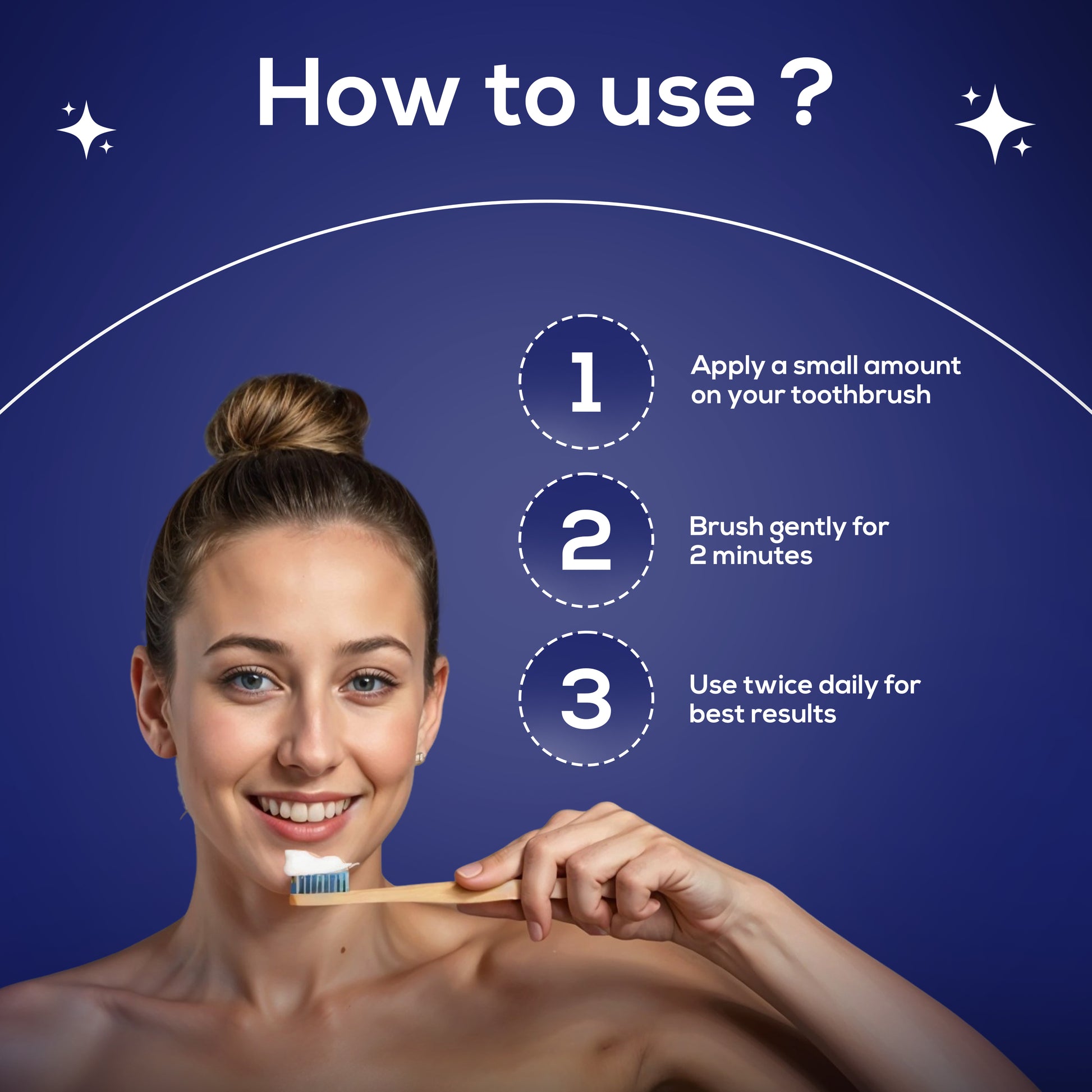
Dentists generally recommend brushing twice daily using a soft-bristled toothbrush. Applying gentle pressure helps prevent additional enamel wear and gum recession. Brushing too aggressively can worsen sensitivity rather than improve it.
After brushing, avoid rinsing excessively with water. Allowing a small amount of toothpaste residue to remain on the teeth can enhance the effectiveness of active ingredients. Some people also benefit from applying a small amount of toothpaste directly to sensitive areas before bedtime.
Consistency is critical. Relief often develops gradually over several weeks of regular use. Skipping applications or alternating between products may reduce effectiveness and delay results.
Combining proper brushing habits with routine dental visits ensures the best chance of long-term sensitivity management.
Lifestyle Habits That Support Sensitive Teeth Care
While toothpaste for sensitive teeth plays an important role, lifestyle choices can also influence tooth sensitivity. Addressing contributing factors often leads to better and longer-lasting results.
Diet is a major consideration. Frequent consumption of acidic beverages such as soda, citrus juices, and sports drinks can weaken enamel over time. Limiting exposure to these substances helps protect tooth surfaces.
Stress-related habits such as teeth grinding can also contribute to sensitivity. Wearing a night guard, if recommended by a dentist, may help reduce pressure and prevent enamel damage.
Additional helpful habits include:
- Drinking water after acidic meals
- Using a soft-bristled toothbrush
- Avoiding overly aggressive brushing
- Limiting sugary snacks
- Scheduling regular dental cleanings
By combining preventive measures with specialized toothpaste, individuals can significantly improve their oral health and reduce sensitivity triggers.
Common Mistakes to Avoid
Many people unknowingly make mistakes that interfere with sensitivity relief. Recognizing these habits can improve treatment outcomes.
One common error is expecting immediate results. Most sensitive toothpastes require consistent use before noticeable improvements occur. Patience is important during the adjustment period.
Another mistake involves brushing too hard. Excessive force can wear away enamel and irritate gums, worsening sensitivity. Gentle brushing is far more effective and safer for long-term oral health.
Some individuals switch products too frequently, preventing active ingredients from building their protective effects. Sticking with one recommended product for several weeks allows adequate time for evaluation.
Ignoring persistent symptoms is another concern. If sensitivity continues despite proper use of toothpaste for sensitive teeth, a dental examination may be necessary to identify underlying issues such as cavities, cracks, or gum disease.
When to See a Dentist
Although many cases of tooth sensitivity respond well to specialized toothpaste, some situations require professional evaluation. Persistent or severe discomfort should never be ignored.
Sensitivity that suddenly develops without an obvious cause may indicate a cavity, cracked tooth, or dental infection. Pain that lingers long after exposure to hot or cold temperatures can also signal a more serious problem.
Regular dental visits allow professionals to identify underlying concerns before they progress. Dentists may recommend additional treatments such as fluoride applications, bonding procedures, gum treatments, or protective sealants.
Professional guidance is particularly important when sensitivity interferes with eating, drinking, or daily activities. Early diagnosis often leads to simpler and more effective treatment options.
Using toothpaste for sensitive teeth remains an excellent first step, but ongoing symptoms should always be assessed by a qualified dental professional.
The Future of Sensitive Teeth Care
Dental technology continues to evolve, leading to more advanced solutions for sensitivity management. Researchers are developing innovative ingredients and formulations designed to provide faster relief and longer-lasting protection.
Emerging technologies focus on rebuilding enamel-like structures, enhancing mineral absorption, and improving dentin sealing capabilities. Some modern products already incorporate bioactive compounds that actively support tooth repair processes.
Personalized oral care is also becoming more common. Future products may be tailored to individual dental conditions, providing targeted treatment based on specific sensitivity causes.
As scientific understanding advances, consumers can expect increasingly effective options that not only relieve discomfort but also promote stronger and healthier teeth.
Conclusion
Tooth sensitivity can affect comfort, confidence, and overall quality of life, but it does not have to be a permanent problem. Choosing the right toothpaste for sensitive teeth is one of the most effective ways to manage discomfort and protect vulnerable tooth surfaces.
Read more: Fitness Classes: Your Complete Guide to a Healthier Lifestyle