


Polycystic Ovary Syndrome (PCOS) is a common hormonal condition that affects many women during their reproductive years. It occurs when there is an imbalance in reproductive hormones, which can impact ovulation, menstrual cycles, skin health, weight, and overall well-being. Recognizing the early symptoms can help with timely diagnosis and better management. Many women often ignore small changes in their bodies because the signs may appear gradually. Understanding what are the first signs of PCOS can help women identify possible symptoms and seek medical advice when needed.
PCOS does not appear the same way in every woman. Some may experience irregular periods, while others may notice changes in weight, hair growth, acne, or difficulty becoming pregnant. Early awareness plays an important role because managing PCOS through lifestyle changes, medical guidance, and regular monitoring can help reduce long-term complications. Knowing the initial warning signs can encourage women to take action before symptoms become more difficult to manage.
Understanding PCOS and How It Affects the Body
PCOS is a hormonal disorder that affects the function of the ovaries. Women with PCOS may have higher levels of androgens, which are commonly known as male hormones, and may also experience problems with insulin regulation. These hormonal changes can interfere with normal ovulation and affect the menstrual cycle.
The ovaries of women with PCOS may contain many small fluid-filled sacs called follicles, although not every woman with PCOS has visible cysts. The name “polycystic” refers to this appearance, but the condition is mainly related to hormonal imbalance rather than only cyst formation. Because PCOS affects different body systems, symptoms can vary from mild to more noticeable changes.
Irregular or Missed Periods
One of the most common early signs of PCOS is an irregular menstrual cycle. Women may experience periods that come less frequently, are unpredictable, or sometimes stop completely. This happens because hormonal imbalance can prevent regular ovulation.
A normal menstrual cycle usually occurs every 21 to 35 days, but women with PCOS may have longer gaps between periods. Some may also experience very light bleeding, while others may have heavier periods due to changes in the uterine lining. Tracking menstrual patterns can help identify unusual changes and provide useful information during a medical consultation.
Sudden Acne and Oily Skin
Hormonal changes caused by PCOS can increase oil production in the skin, leading to frequent acne breakouts. While acne is common during teenage years, persistent acne during adulthood may be a sign of an underlying hormonal issue.
Women with PCOS often notice acne around areas such as the jawline, chin, and lower face. Increased androgen levels can stimulate oil glands and contribute to skin problems. If acne appears suddenly or becomes difficult to control despite skincare efforts, it may be worth discussing with a healthcare professional.
Excess Hair Growth on the Face and Body
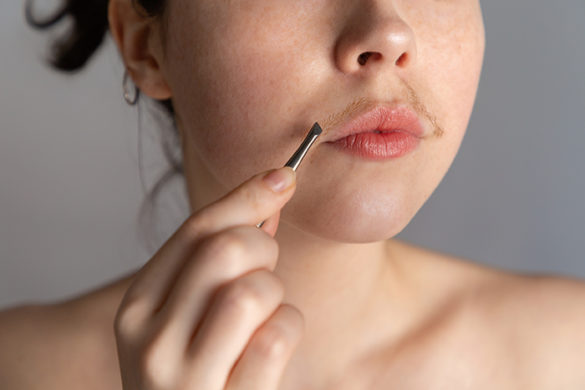
Another important symptom linked to hormonal imbalance is excessive hair growth, also known as hirsutism. Some women with PCOS may notice thicker or darker hair appearing on areas where women typically have less hair, such as the face, chest, back, or abdomen.
This happens because increased androgen levels can influence hair growth patterns. Not every woman with PCOS experiences this symptom, but it can be one of the noticeable physical changes. Understanding what are the first signs of PCOS includes recognizing changes like unusual hair growth along with other symptoms.
Unexplained Weight Gain or Difficulty Losing Weight
Many women with PCOS experience changes in their weight, especially around the abdomen. Hormonal imbalance and insulin resistance can make it harder for the body to manage blood sugar levels, which may contribute to weight gain.
Some women may gain weight without major changes in their eating habits, while others may struggle to lose weight despite regular exercise and healthy food choices. However, PCOS can also occur in women with a healthy body weight, so weight alone cannot determine whether someone has the condition.

Hair Thinning and Hair Loss
PCOS can affect hair growth patterns in different ways. While some women experience excessive hair growth on the body, others may notice thinning hair on the scalp. Increased androgen levels can affect hair follicles and lead to gradual hair loss.
Hair thinning related to PCOS often appears around the crown or front area of the scalp. If hair loss occurs along with irregular periods, acne, or other hormonal symptoms, it may indicate a need for further evaluation.
Difficulty Getting Pregnant
PCOS is one of the common causes of fertility challenges because it can affect ovulation. When ovulation does not occur regularly, it becomes more difficult to conceive naturally.
Some women discover they have PCOS when they try to become pregnant and experience difficulties. However, many women with PCOS can successfully become pregnant with proper treatment, lifestyle adjustments, and medical support. Early identification and management can improve reproductive health outcomes.
Dark Skin Patches and Skin Changes
Some women with PCOS develop dark, thickened patches of skin, especially around the neck, underarms, or other body folds. This condition is known as acanthosis nigricans and is often associated with insulin resistance.
These skin changes may develop slowly and can sometimes be overlooked. Paying attention to unusual changes in skin texture or color can provide important clues about hormonal and metabolic health.
Mood Changes and Emotional Symptoms
Hormonal fluctuations associated with PCOS can also affect emotional health. Some women may experience mood swings, increased stress, anxiety, or feelings of frustration due to physical symptoms and hormonal changes.
Managing PCOS involves taking care of both physical and emotional well-being. Maintaining healthy routines, getting enough sleep, staying active, and seeking professional support when needed can help improve overall quality of life.
What Are the First Signs of PCOS That Should Not Be Ignored?
Many early symptoms of PCOS can appear similar to normal hormonal changes, which is why some women delay seeking help. However, certain patterns should be discussed with a healthcare provider, especially when multiple symptoms occur together.
Common signs that may require attention include:
- Irregular or missing periods
- Persistent acne
- Increased facial or body hair
- Sudden weight changes
- Hair thinning
- Difficulty getting pregnant
- Dark skin patches
- Frequent mood changes
Recognizing what are the first signs of PCOS is important because early awareness allows women to take preventive steps and receive appropriate guidance.
How Is PCOS Diagnosed?
There is no single test that confirms PCOS. Doctors usually consider a combination of symptoms, medical history, physical examination, blood tests, and sometimes ultrasound scans.
During diagnosis, healthcare providers may check hormone levels, blood sugar levels, cholesterol levels, and signs of ovulation problems. They may also evaluate symptoms such as irregular periods, acne, and excess hair growth.
A proper diagnosis helps create an effective management plan based on individual symptoms and health goals. Self-diagnosis should be avoided because similar symptoms can occur with other health conditions.
Lifestyle Changes That Can Help Manage PCOS

Although PCOS is a long-term hormonal condition, many symptoms can be managed through healthy lifestyle choices. A balanced diet, regular physical activity, stress management, and good sleep habits can support hormonal balance.
Eating nutrient-rich foods with adequate protein, fiber, and healthy fats may help improve insulin sensitivity. Regular exercise can support weight management and improve metabolism. Even small lifestyle improvements can make a positive difference in managing symptoms.
When Should You Consult a Doctor?
Women should consider consulting a healthcare professional if they notice ongoing changes in their menstrual cycle, unusual hair growth, persistent acne, fertility concerns, or unexplained weight changes.
Early medical advice can help identify whether symptoms are related to PCOS or another condition. A healthcare provider can recommend appropriate tests and suggest treatment options based on individual needs.
Conclusion
Understanding what are the first signs of PCOS can help women recognize early hormonal changes and take timely action. Symptoms such as irregular periods, acne, excessive hair growth, weight changes, hair thinning, and fertility problems may indicate the possibility of PCOS. Since symptoms can vary from person to person, professional evaluation is important for accurate diagnosis.
With proper awareness, lifestyle changes, and medical support, many women successfully manage PCOS and maintain a healthy life. Paying attention to early warning signs is the first step toward better hormonal health and long-term well-being.
Read More:- How to Cure PCOS Permanently: Natural Ways and Treatment Tips