
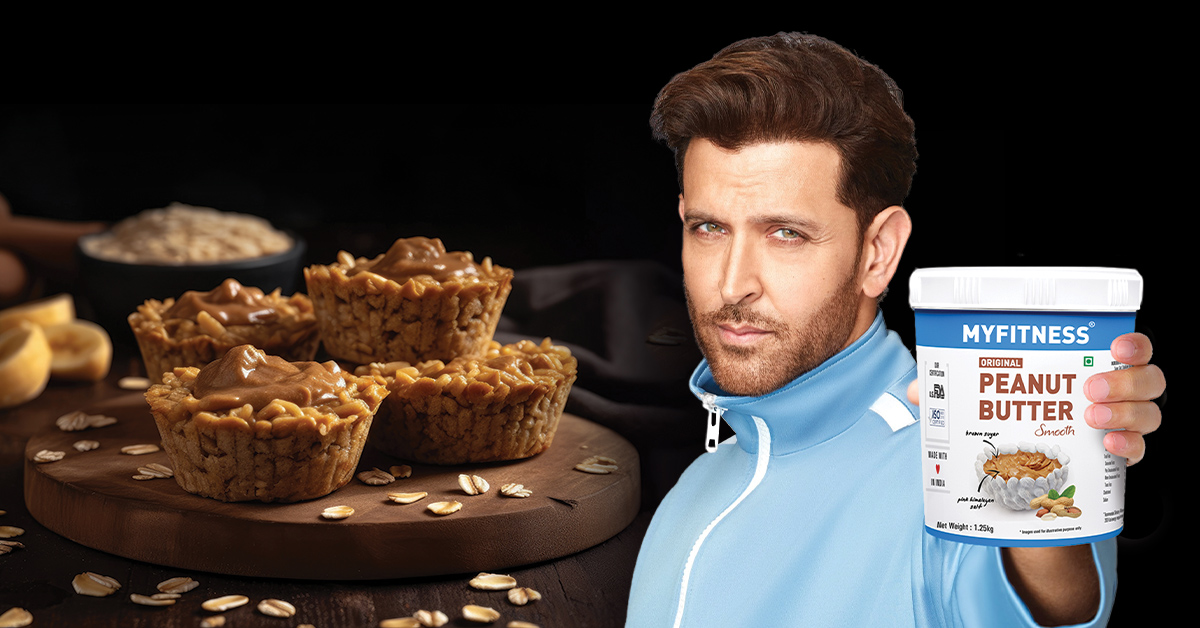

Introduction to Healthy Peanut Butter Choices
Recently, health-conscious consumers have shifted toward nutritious spreads that support active lifestyles. Among these options, my fitness peanut butter has gained popularity as a protein-rich and versatile food choice. Whether added to breakfast meals, smoothies, or post-workout snacks, this peanut butter variety is often associated with balanced nutrition and fitness-focused diets.
Peanut butter itself has long been valued for its rich taste and energy-boosting qualities. However, modern consumers now look for products that offer more than flavor. Athletes, gym enthusiasts, and individuals striving to maintain a healthy routine commonly choose My Fitness peanut butter. Its combination of protein, healthy fats, and essential nutrients makes it suitable for those who prioritize strength, endurance, and overall wellness.
Nutritional Profile and Ingredients
Understanding the nutritional content of my fitness peanut butter helps consumers make informed dietary choices. Typically made from roasted peanuts, it contains a strong balance of macronutrients including protein, healthy fats, and moderate carbohydrates. A standard serving often provides a generous amount of plant-based protein, which supports muscle repair and growth.
In addition to protein, my fitness peanut butter contains dietary fiber that aids digestion and promotes satiety. Healthy monounsaturated and polyunsaturated fats contribute to heart health when consumed in moderation. Some variations may include added flavors such as chocolate or honey, while natural versions focus primarily on peanuts and minimal additives. Always checking ingredient labels ensures that the product aligns with personal health goals.
Benefits for Muscle Growth and Recovery
One major reason fitness enthusiasts choose my fitness peanut butter is its contribution to muscle growth and recovery. Protein is essential after intense workouts, as it helps repair muscle fibers and supports tissue rebuilding. Including peanut butter in post-workout meals can provide a steady release of energy and nutrients.
The healthy fats present in my fitness peanut butter also assist in maintaining hormonal balance, which is important for athletic performance. When combined with complex carbohydrates such as whole-grain bread or oats, peanut butter becomes an effective recovery snack. Regular consumption as part of a balanced diet can enhance stamina and promote consistent energy levels throughout the day.
Role in Weight Management
Weight management often requires foods that provide fullness and sustained energy. My fitness peanut butter can support this goal due to its high protein and healthy fat content. These nutrients help reduce hunger cravings and prevent overeating.
Although peanut butter is calorie-dense, portion control makes it a beneficial addition to meal plans. Consuming moderate servings of my fitness peanut butter can help individuals feel satisfied between meals. This may reduce the temptation to consume processed snacks high in sugar and unhealthy fats. Incorporating it strategically into breakfast or snack times can assist in maintaining a stable calorie intake.
Different Variants and Flavors
The popularity of my fitness peanut butter has led to the introduction of multiple variants. These may include crunchy, creamy, chocolate-flavored, and unsweetened options. Each variant caters to different taste preferences and dietary needs.
Natural versions typically contain only peanuts and salt, while flavored options may include sweeteners or cocoa. Fitness enthusiasts often choose high-protein versions designed to provide additional protein per serving. By selecting the right variant, consumers can enjoy the taste they prefer while aligning with their nutritional goals.
How to Include It in Daily Diet
There are many creative ways to incorporate my fitness peanut butter into daily meals. It can be spread on whole-grain toast, blended into protein shakes, mixed into oatmeal, or used as a dip for fruits such as apples and bananas. These combinations provide balanced meals rich in nutrients.
For fitness-focused individuals, adding my fitness peanut butter to smoothies enhances flavor and increases protein intake. It can also be used in homemade energy bars or healthy desserts. Its versatility makes it suitable for breakfast, snacks, or even light dinners when paired with nutritious ingredients.
Nutritional Comparison Table
| Nutrient (Per Serving) | Approximate Value | Health Benefit |
|---|---|---|
| Protein | 7–10 grams | Muscle repair and growth |
| Healthy Fats | 14–16 grams | Supports heart health |
| Carbohydrates | 5–8 grams | Energy source |
| Fiber | 2–3 grams | Improves digestion |
| Calories | 180–200 kcal | Sustained energy |
This table highlights the typical nutritional components found in my fitness peanut butter and their benefits.
Common Myths About Peanut Butter
Despite its health benefits, peanut butter is sometimes misunderstood. One myth suggests it causes weight gain regardless of quantity. In reality, moderate consumption of my fitness peanut butter within a balanced diet does not necessarily lead to weight gain.
Another misconception is that all peanut butter varieties contain excessive sugar. Natural versions of my fitness peanut butter often have minimal added sugar. Understanding ingredient labels helps separate myths from facts. Education about portion control and balanced nutrition ensures that peanut butter remains a healthy addition to meals.
Who Should Consume It?
My fitness peanut butter is suitable for a wide range of individuals. Athletes benefit from its protein and energy content, while busy professionals may use it as a quick and nutritious snack. Children can also enjoy peanut butter in moderate quantities as part of balanced meals.
However, individuals with peanut allergies must avoid it completely. Those monitoring calorie intake should measure portions carefully. Consulting a healthcare professional is recommended for people with specific dietary restrictions. Overall, when consumed responsibly, my fitness peanut butter supports active lifestyles and balanced nutrition.
Storage and Shelf Life
Proper storage ensures that my fitness peanut butter remains fresh and safe to consume. It should be stored in a cool, dry place and sealed tightly after each use. Natural varieties may require stirring due to oil separation.
Refrigeration can extend shelf life but may make the texture firmer. Checking expiration dates and observing changes in smell or appearance helps maintain quality. Good storage practices preserve flavor and nutritional value.
Frequently Asked Questions (FAQs)
1. Is my peanut butter suitable for weight loss?
Yes, when consumed in controlled portions, it can support satiety and balanced nutrition.
2. Can I eat it daily?
Moderate daily consumption is generally safe for individuals without peanut allergies.
3. Does it help in muscle building?
Yes, its protein content supports muscle repair and growth.
4. Is it suitable for vegetarians?
Yes, it is a plant-based protein source.
5. How much should I consume per day?
You should typically consume one to two tablespoons per day, depending on your dietary needs.
Conclusion
My fitness peanut butter has become a popular dietary choice for individuals seeking nutritious and convenient food options. With its rich protein content, healthy fats, and versatile uses, it supports muscle recovery, sustained energy, and balanced eating habits. When consumed in appropriate portions, it can complement both weight management and fitness goals.
Read More:- Complete Guide to Medical Fitness Certificate