

What are edamame nutrition?
Edamame nutrition includes protein, fiber, healthy fats, vitamins, and minerals found in young soybeans.
Best edamame nutrition
Steamed or boiled edamame without excess salt provides the most nutrients.
How to choose edamame nutrition
Pick firm, bright green pods or choose frozen edamame for convenience and nutrition.
Introduction
Looking for a snack that is delicious, filling, and packed with nutrients? Many people struggle to find foods that provide enough protein and fiber without adding excessive calories. Edamame has become increasingly popular because it offers a balance of taste and nutrition.
Young soybeans, commonly known as edamame, are widely enjoyed around the world. They are rich in plant protein, dietary fiber, amino acids, and essential minerals, making them an excellent addition to healthy eating plans. Whether you are trying to lose weight, build muscle, or simply improve your diet, edamame can provide valuable nutrients.
Modern nutrition experts frequently recommend whole foods that contain natural sources of protein and antioxidants. Edamame stands out because it delivers multiple nutrients in one serving while remaining relatively low in calories and saturated fat.
Quick Summary
- Edamame is rich in protein, fiber, and healthy fats.
- It contains iron, magnesium, folate, and potassium.
- One cup provides around 18 grams of protein.
- It supports heart health, digestion, and weight management.
Understanding Edamame Nutrition
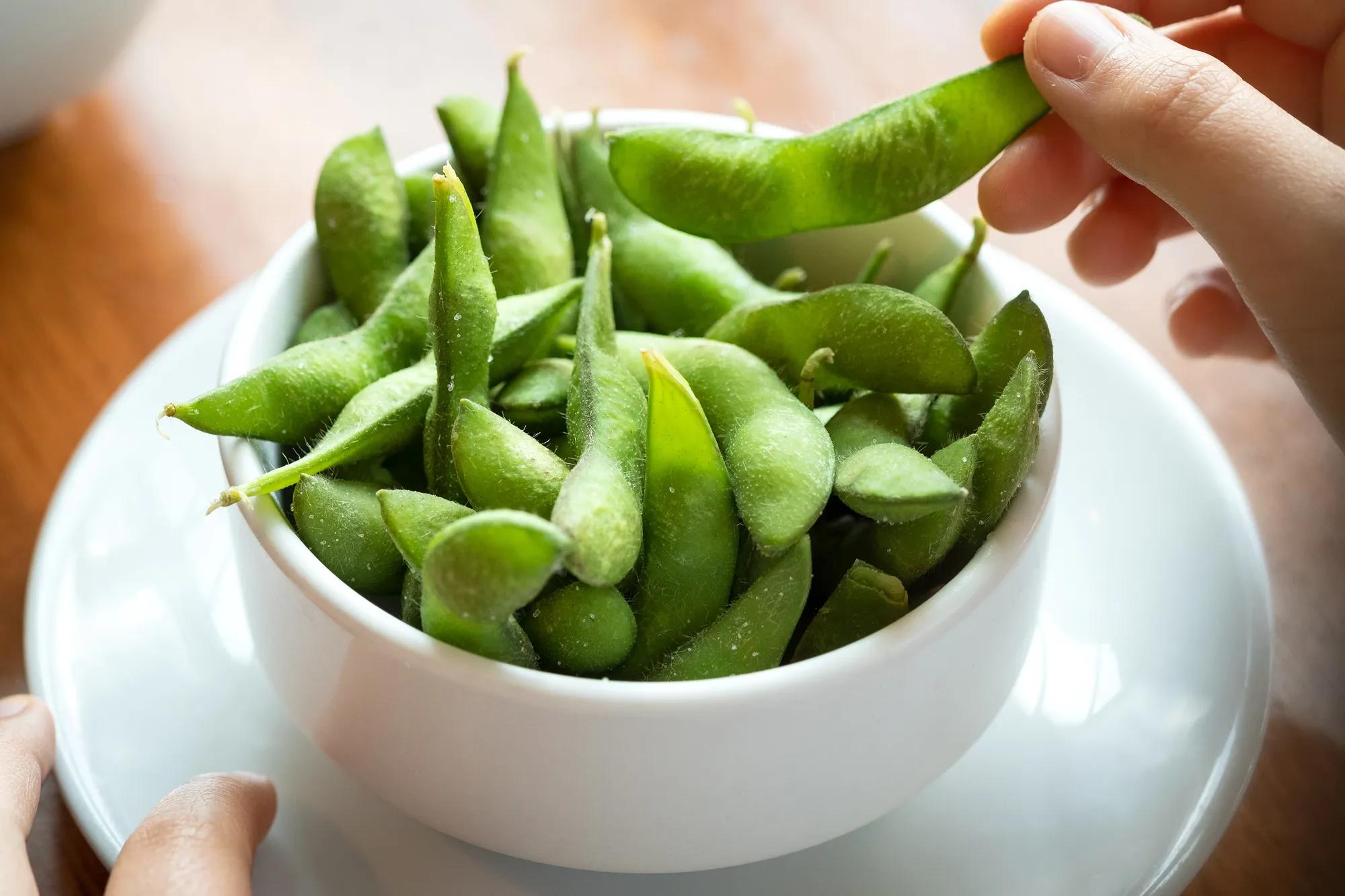
Edamame refers to immature soybeans harvested before they fully ripen. These green beans are commonly steamed, boiled, or added to salads, soups, and rice dishes. Because they are minimally processed, they retain many essential nutrients that contribute to overall health.
One reason nutrition experts appreciate edamame is its impressive combination of protein and dietary fiber. Unlike many plant foods, edamame contains complete protein, meaning it provides all nine essential amino acids. This makes it particularly valuable for vegetarians and vegans seeking high-quality protein sources.
Research suggests that increased consumption of legumes may help reduce the risk of heart disease and improve blood sugar control. According to dietary studies, legumes are associated with better long-term health outcomes and improved nutrient intake.
Nutritional Profile Per One Cup of Edamame
A one-cup serving of cooked edamame provides a significant amount of nutrients while remaining moderate in calories.
| Nutrient | Approximate Amount |
|---|---|
| Calories | 188 |
| Protein | 18.4 g |
| Carbohydrates | 13.8 g |
| Dietary Fiber | 8 g |
| Total Fat | 8 g |
| Iron | 3.5 mg |
| Calcium | 98 mg |
| Magnesium | 99 mg |
| Potassium | 676 mg |
| Folate | 482 mcg |
These values can vary slightly depending on preparation methods and serving sizes.

Health Benefits of Edamame
Supports Muscle Growth
Protein is essential for maintaining and repairing muscle tissue. Since edamame contains complete protein, it provides the amino acids needed for recovery and growth. Athletes and active individuals often include edamame as part of balanced meals.
A cup of edamame delivers nearly as much protein as some animal-based foods, making it a convenient option for plant-based diets.
Promotes Digestive Health
The high dietary fiber content in edamame helps support healthy digestion. Fiber contributes to regular bowel movements and may promote beneficial gut bacteria.
People who consume adequate fiber often experience improved digestive health and better appetite control. This can contribute to healthy weight management over time.
Supports Heart Health
Edamame contains unsaturated fats, potassium, and antioxidants that support cardiovascular wellness. Replacing foods high in saturated fat with nutrient-rich legumes may help maintain healthy cholesterol levels.
Several studies indicate that soy-based foods can contribute to improved heart health when included as part of a balanced diet.
Helps Manage Blood Sugar
Because edamame contains protein and fiber, it is digested more slowly than highly processed snacks. This slower digestion may help maintain stable blood sugar levels and reduce sudden spikes.
For individuals managing diabetes or seeking healthier snack choices, edamame can be a satisfying alternative.
Edamame Nutrition and Weight Management
People seeking healthy weight loss often focus on foods that increase satiety without excessive calories. Edamame fits this category because its combination of protein and fiber helps people feel fuller for longer periods.
Compared with chips or sugary snacks, edamame provides more nutrients and better appetite control. As a result, it can support mindful eating habits and reduce unnecessary calorie intake.
Nutrition professionals frequently recommend legumes as part of balanced weight-management programs because they deliver essential nutrients while promoting fullness.
Vitamins and Minerals Found in Edamame
Edamame is rich in several micronutrients that contribute to overall health. Folate supports cell growth and is especially important during pregnancy. Magnesium helps maintain muscle and nerve function, while iron supports oxygen transport throughout the body.
Potassium contributes to healthy blood pressure regulation, and calcium supports strong bones and teeth. These nutrients work together to maintain numerous bodily functions.
The presence of antioxidants also helps protect cells from oxidative stress, which is associated with aging and chronic diseases.
Fresh vs Frozen Edamame
Fresh and frozen edamame are both nutritious choices. Freezing preserves nutrients effectively, making frozen varieties nearly comparable to fresh options.
Many consumers prefer frozen edamame because it is convenient and available throughout the year. Simply steaming or boiling the beans preserves most nutrients without requiring extensive preparation.
Avoid heavily seasoned products that contain excessive sodium or added sauces, as these may reduce some health benefits.
Real-Life Example
Sarah, a 35-year-old office worker, wanted healthier afternoon snacks. Instead of eating processed chips, she began eating steamed edamame three times a week. After several months, she noticed improved energy levels and felt fuller between meals.
By replacing less nutritious snacks with nutrient-dense foods, she was able to maintain healthier eating habits without feeling deprived.

Pros and Cons
Pros
- Rich in protein and dietary fiber.
- Contains essential vitamins and minerals.
- Supports heart health and weight management.
- Suitable for vegetarian and vegan diets.
Cons
- Soy allergies may prevent some individuals from consuming it.
- Flavored varieties can contain high sodium levels.
- Excessive portions may cause digestive discomfort in sensitive individuals.
Expert Tips
- Steam edamame instead of frying it.
- Pair it with whole grains for balanced meals.
- Choose unsalted varieties whenever possible.
- Store frozen edamame for convenient healthy snacks.
Common Mistakes
- Adding too much salt.
- Overcooking the beans.
- Ignoring portion sizes.
- Choosing heavily processed flavored varieties.
Edamame Nutrition for Different People
Children, adults, athletes, and older individuals can all benefit from edamame consumption. Vegetarians and vegans especially appreciate its complete protein profile. People trying to improve dietary fiber intake may also find it beneficial.
Pregnant women can benefit from its folate content, while fitness enthusiasts often use it as a post-workout snack due to its amino acid profile and protein content. However, individuals with soy allergies should avoid edamame and consult healthcare professionals regarding suitable alternatives.
Popular Ways to Eat Edamame
Edamame can easily fit into daily meals and snacks. Its versatility allows it to complement many dishes without complicated preparation.
Some popular uses include:
- Adding shelled edamame to salads.
- Mixing it into rice bowls.
- Including it in soups and stir-fries.
- Enjoying steamed pods as snacks.
Statistics and Insights
Studies show that adults are encouraged to consume more legumes because they contribute important nutrients and may lower the risk of chronic diseases.
According to dietary recommendations, legumes such as edamame are valuable sources of protein, fiber, potassium, and magnesium. Increasing plant-based food intake has also been associated with improved heart health and weight control.

Frequently Asked Questions
What is edamame nutrition?
Edamame nutrition includes protein, dietary fiber, healthy fats, vitamins, minerals, and antioxidants that support overall wellness. It is considered one of the most nutrient-dense legumes.
How much protein is found in edamame?
A cup of cooked edamame contains approximately 18 grams of protein, making it an excellent plant-based protein source.
Is edamame good for weight loss?
Yes. Its high protein and fiber content may promote satiety and help control calorie intake.
Can people with diabetes eat edamame?
Edamame may support stable blood sugar levels because it contains protein and fiber that slow digestion.
Is edamame safe during pregnancy?
Yes. It provides folate and other nutrients important for fetal development, although individual dietary needs should be discussed with healthcare providers.
Summary Recap
Edamame is a nutrient-rich food that provides high-quality protein, dietary fiber, healthy fats, vitamins, minerals, and antioxidants. Whether consumed fresh or frozen, it can support heart health, digestive function, muscle growth, and healthy weight management. Its versatility and convenience make it easy to incorporate into everyday meals.
Conclusion
Understanding edamame nutrition can help you make smarter food choices and improve your overall eating habits. This humble soybean offers an impressive combination of nutrients that support energy, heart health, and long-term wellness. By adding moderate servings of edamame to a balanced diet, you can enjoy both practical health benefits and delicious flavor.
Read More:-Egg Nutrition Facts and Health Benefits