


Tooth pain can be one of the most uncomfortable experiences, often affecting your ability to eat, speak, and concentrate. When tooth decay or infection reaches the inner part of a tooth, a root canal treatment is often the best solution to save the natural tooth. Although many people fear this procedure, modern dentistry has made root canal treatment safe, comfortable, and highly effective. Instead of removing the damaged tooth, this procedure eliminates infection while preserving the tooth’s structure and function. Maintaining good dental health is essential for overall well-being, and understanding how root canal treatment works can help reduce anxiety and encourage timely treatment. This comprehensive guide explains what root canal treatment is, why it is needed, how it is performed, its benefits, possible risks, recovery tips, and preventive measures to help you maintain a healthy smile.
What Is Root Canal Treatment?
Root canal treatment, also known as endodontic therapy, is a dental procedure used to remove infected or damaged pulp from inside a tooth. The pulp contains nerves, blood vessels, and connective tissues that help the tooth develop during its early stages. Once a tooth is fully developed, it can continue functioning without the pulp because surrounding tissues provide the necessary nourishment.
During the procedure, the infected pulp is carefully removed, the root canals are cleaned and disinfected, and the empty space is sealed with a special filling material. In many cases, a dental crown is placed over the treated tooth to restore its strength and appearance. Root canal treatment is designed to eliminate infection, relieve pain, and preserve the natural tooth, preventing the need for extraction.
Why Is Root Canal Treatment Necessary?
A root canal becomes necessary when bacteria penetrate deep into the tooth and infect the pulp. This infection usually results from untreated cavities, cracked teeth, repeated dental procedures, or trauma to the tooth.

Common signs that may indicate the need for root canal treatment include:
- Persistent tooth pain
- Sensitivity to hot or cold foods and drinks
- Swollen or tender gums
- Pain while chewing
- Tooth discoloration
- Gum abscess or pus formation
- Persistent bad breath caused by infection
Ignoring these symptoms can allow the infection to spread to surrounding tissues and even the jawbone, making treatment more complicated.
Common Causes of Tooth Pulp Infection
Several factors can damage the tooth pulp and lead to infection. Understanding these causes can help prevent future dental problems.
Deep Tooth Decay
Untreated cavities gradually penetrate through the enamel and dentin, eventually reaching the pulp.
Cracked or Broken Teeth
A crack provides bacteria with direct access to the inner tissues of the tooth.
Repeated Dental Procedures
Multiple restorations on the same tooth may weaken it and increase the risk of pulp irritation.
Traumatic Injury
A blow to the tooth can damage the pulp even if there is no visible crack.
Good oral hygiene and regular dental checkups significantly reduce the risk of these problems.
Step-by-Step Root Canal Procedure
Modern root canal treatment is usually completed in one or two appointments depending on the severity of the infection.
Initial Examination
The dentist examines the tooth and takes X-rays to determine the extent of the infection.
Local Anesthesia
The affected area is numbed to ensure a comfortable and virtually pain-free procedure.
Access Opening
A small opening is created in the tooth to reach the infected pulp.
Cleaning the Root Canals
Special instruments remove infected tissue while disinfecting the canals thoroughly.
Filling the Canals
The cleaned canals are sealed using a biocompatible material to prevent future infection.
Final Restoration
A filling or crown restores the tooth’s strength, appearance, and normal function.
Benefits of Root Canal Treatment
Root canal treatment offers numerous advantages over tooth extraction.
Some major benefits include:
- Preserves your natural tooth
- Eliminates infection and pain
- Prevents the spread of bacteria
- Restores normal chewing ability
- Maintains proper bite alignment
- Improves long-term dental health
- Enhances appearance when combined with a crown
- Avoids more extensive restorative procedures
Saving your natural tooth is almost always the preferred option whenever possible.
Recovery After Root Canal Treatment
Recovery is generally quick and uncomplicated. Mild discomfort or tenderness for a few days is normal and can usually be managed with prescribed or over-the-counter pain medication.
Patients should avoid chewing hard foods on the treated side until the permanent restoration is completed. Maintaining proper oral hygiene is essential during recovery.
Helpful recovery tips include:
- Brush and floss gently every day.
- Take medications exactly as prescribed.
- Avoid sticky or hard foods temporarily.
- Attend all follow-up appointments.
- Get the recommended crown placed promptly.
- Contact your dentist if severe pain or swelling develops.
Following these recommendations supports healing and protects your treated tooth.
Root Canal Treatment Process Overview
| Treatment Stage | Purpose | Estimated Time |
|---|---|---|
| Examination & X-rays | Diagnose infection | 20–30 minutes |
| Local Anesthesia | Ensure comfort | 10–15 minutes |
| Cleaning Canals | Remove infected pulp | 45–90 minutes |
| Filling & Sealing | Prevent reinfection | 20–40 minutes |
| Crown Placement | Restore strength | Separate appointment |
Is Root Canal Treatment Painful?
One of the biggest misconceptions about root canal treatment is that it is extremely painful. In reality, advances in dental technology and anesthesia have made the procedure similar in comfort to receiving a routine filling.
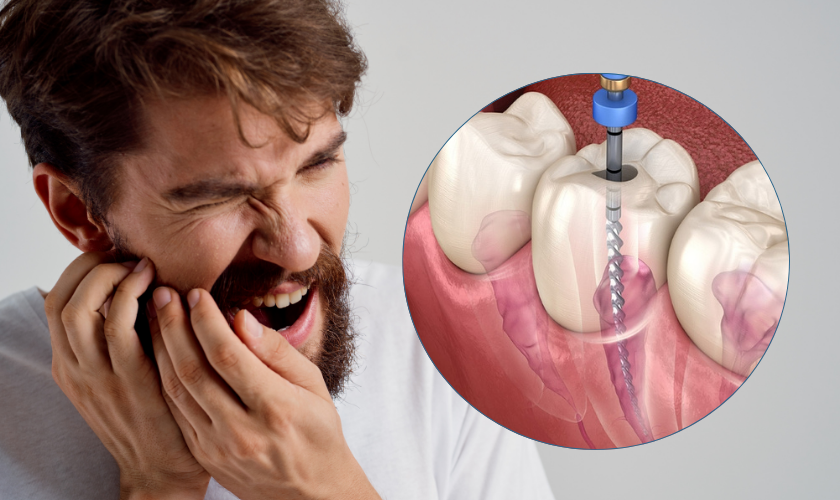
Most patients experience little or no pain during the treatment itself. Mild soreness afterward is common because the surrounding tissues may be slightly inflamed, but this usually improves within a few days. Prompt treatment actually relieves the severe pain caused by tooth infection rather than causing it.
Possible Risks and Complications
Although root canal treatment has a high success rate, every medical procedure carries some risks.
Potential complications include:
- Temporary discomfort
- Reinfection if the canals are not completely sealed
- Fracture of a weakened tooth
- Missed canals requiring retreatment
- Delayed healing in rare cases
Choosing an experienced dentist and following aftercare instructions greatly reduces these risks.
How to Care for Your Tooth After Treatment
Proper aftercare is essential for the long-term success of root canal treatment.
Important care tips include:
- Brush twice daily with fluoride toothpaste.
- Floss every day.
- Limit sugary foods and beverages.
- Wear a mouthguard if you grind your teeth.
- Schedule regular dental checkups and professional cleanings.
- Avoid using your teeth to open packages or bite hard objects.
Consistent oral hygiene helps keep both the treated tooth and surrounding teeth healthy.
Can Root Canal Treatment Be Prevented?
While not every root canal can be avoided, many cases are preventable through good oral care habits.
Preventive measures include:
- Brushing twice daily
- Flossing every day
- Eating a balanced diet low in sugar
- Visiting your dentist regularly
- Treating cavities early
- Wearing protective gear during sports
- Avoiding tobacco products
Preventive care is the best way to reduce the risk of serious tooth infections and maintain excellent dental health throughout life.
Conclusion
Root canal treatment is one of the most effective procedures for saving a severely damaged or infected tooth. Rather than extracting the tooth, this treatment removes infection, relieves pain, and restores normal function while preserving your natural smile. Thanks to modern techniques and advanced equipment, root canal therapy is now a comfortable and highly successful procedure with excellent long-term outcomes. Maintaining good oral hygiene, seeking early treatment for tooth decay, and attending regular dental checkups can significantly reduce the likelihood of needing a root canal. If you experience persistent tooth pain, swelling, or sensitivity, consulting a qualified dentist as soon as possible can help prevent complications and ensure the best possible outcome for your oral health.
Read more: Ceramic Braces: A Complete Guide to a Confident Smile