


Hormonal disorders related to the ovaries are becoming increasingly common among women of reproductive age. Two terms that are often used interchangeably are PCOD and PCOS. Although both conditions are related to ovarian function and hormonal imbalance, they are not exactly the same. Understanding the PCOD and PCOS difference can help women recognize symptoms early and seek appropriate medical guidance.
Both conditions can affect menstrual cycles, fertility, weight management, and overall health. However, the severity, long-term effects, and treatment approaches may vary. PCOD is generally considered a common hormonal condition that can often be managed with lifestyle changes, while PCOS is a more complex endocrine disorder that may require medical attention. Learning about these differences helps women make informed decisions about their health.
What Is PCOD?
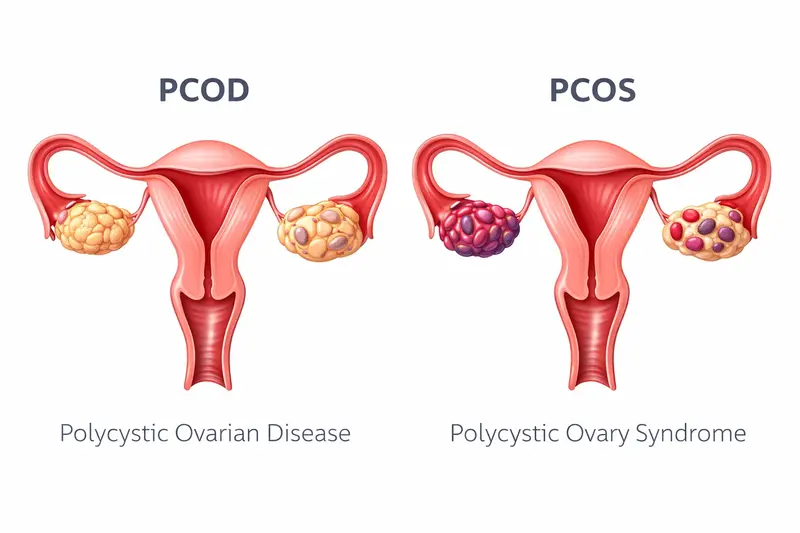
Polycystic Ovarian Disease (PCOD) is a condition where the ovaries produce multiple immature or partially mature eggs that can develop into small cysts. These cysts are usually harmless but may affect normal ovarian function. PCOD is mainly associated with hormonal imbalance and irregular ovulation.
Women with PCOD may experience irregular periods, weight gain, acne, excessive hair growth, or difficulty becoming pregnant. However, many women with PCOD continue to have normal fertility, especially when symptoms are controlled through healthy lifestyle habits.
The condition is often linked with factors such as poor diet, stress, sedentary lifestyle, and hormonal fluctuations. Regular exercise, balanced nutrition, and maintaining a healthy weight can significantly improve symptoms. In many cases, PCOD does not create severe long-term health complications if properly managed.
What Is PCOS?
Polycystic Ovary Syndrome (PCOS) is a hormonal and metabolic disorder that affects the functioning of the ovaries. In PCOS, the body may produce higher levels of male hormones called androgens, which can interfere with ovulation and menstrual regularity.
Unlike PCOD, PCOS is considered a syndrome because it involves multiple symptoms and hormonal changes affecting different parts of the body. Women with PCOS may experience irregular periods, infertility issues, increased facial hair, acne, insulin resistance, and weight-related problems.
PCOS can increase the risk of certain health conditions, including type 2 diabetes, high cholesterol, and cardiovascular problems. Due to its broader impact on the body, PCOS often requires continuous management with medical support, lifestyle changes, and sometimes medication.
PCOD and PCOS Difference Explained
The main PCOD and PCOS difference lies in their severity, hormonal effects, and impact on overall health. PCOD is a condition where the ovaries produce multiple eggs that may form small cysts, while PCOS is a more complex hormonal disorder involving increased androgen levels and metabolic changes.
PCOD is relatively common and can often be controlled through diet, exercise, and lifestyle improvements. PCOS, on the other hand, may have stronger effects on fertility, metabolism, and long-term health.
Another important difference is that PCOS can affect insulin sensitivity and increase the risk of other health issues. PCOD usually has fewer complications and may not significantly affect fertility in many women.
Understanding the PCOD and PCOS difference helps women identify whether their symptoms require simple lifestyle adjustments or more detailed medical evaluation.
Difference Between PCOD and PCOS Based on Causes
The causes of PCOD and PCOS are not completely understood, but both conditions are associated with hormonal imbalance and lifestyle factors.
PCOD is often influenced by unhealthy eating habits, excessive stress, lack of physical activity, and weight fluctuations. These factors can disturb normal hormone production and affect ovarian function.
PCOS is influenced by genetic factors, insulin resistance, and increased production of androgen hormones. Women with a family history of PCOS may have a higher chance of developing the condition.
Both conditions may be triggered or worsened by similar factors, but PCOS usually involves deeper hormonal and metabolic changes compared to PCOD.
Symptoms of PCOD
PCOD symptoms can vary from woman to woman. Some women may experience mild symptoms, while others may have noticeable changes in their menstrual cycle and physical appearance.
Common symptoms of PCOD include:
- Irregular or delayed periods
- Weight gain or difficulty losing weight
- Acne and oily skin
- Hair thinning
- Excessive hair growth on the face or body
- Mood changes
- Difficulty with ovulation
Many women with PCOD may not experience severe symptoms and can manage the condition effectively through lifestyle modifications. Early awareness and regular health check-ups can help prevent symptoms from becoming more difficult to control.
Symptoms of PCOS
PCOS symptoms are often more noticeable because the condition affects hormones and metabolism. Some common symptoms include:
- Irregular periods or missed periods
- Difficulty getting pregnant
- Increased facial or body hair growth
- Severe acne
- Sudden weight gain
- Dark patches on the skin
- High insulin levels
- Hair loss from the scalp
Since PCOS affects multiple body systems, symptoms may continue or worsen without proper management. Consulting a healthcare professional can help in creating an effective treatment plan.
PCOD and PCOS Difference in Fertility Impact
Fertility is one of the major concerns among women dealing with ovarian disorders. Both PCOD and PCOS can affect ovulation, but the impact is usually different.
Women with PCOD often have a better chance of conceiving because the condition generally causes fewer hormonal disruptions. Many women with PCOD can improve ovulation through healthy lifestyle changes.
PCOS can have a stronger effect on fertility because irregular ovulation and hormonal imbalance may make conception more challenging. However, many women with PCOS can become pregnant with proper treatment, lifestyle changes, and medical guidance.
The PCOD and PCOS difference in fertility mainly depends on the severity of symptoms, hormone levels, and individual health conditions.
Diagnosis of PCOD and PCOS
Doctors use different methods to diagnose both conditions. A medical history review, physical examination, blood tests, and ultrasound scans may be recommended.
For PCOD, doctors usually check ovarian appearance and menstrual patterns. Since PCOD symptoms can overlap with other hormonal issues, proper evaluation is important.
For PCOS, diagnosis often involves checking hormone levels, signs of increased androgen production, ovulation problems, and ovarian changes. Doctors may also evaluate blood sugar and insulin levels to understand metabolic risks.
Accurate diagnosis helps determine the right treatment approach and prevents unnecessary concerns.
Treatment Options for PCOD and PCOS
Treatment for both conditions focuses on managing symptoms and improving hormonal balance. The approach depends on the severity of the condition and individual health goals.
Lifestyle changes are an important part of treatment. These include:
- Eating a balanced diet rich in nutrients
- Exercising regularly
- Maintaining a healthy weight
- Managing stress levels
- Getting enough sleep
Doctors may recommend medications for specific symptoms, such as irregular periods, acne, fertility concerns, or insulin resistance.
Women with PCOS may require more structured treatment because of the increased risk of metabolic complications. Regular monitoring helps manage symptoms effectively.
Lifestyle Tips to Manage Hormonal Health
A healthy lifestyle plays an important role in managing both PCOD and PCOS. Eating whole foods, reducing processed foods, staying physically active, and maintaining emotional well-being can support better hormone regulation.
Strength training, walking, yoga, and other forms of exercise may help improve insulin sensitivity and support weight management. Stress management techniques such as meditation and relaxation exercises can also be beneficial.
Regular medical check-ups are important, especially for women experiencing persistent symptoms. Early action can improve quality of life and reduce possible complications.
Conclusion
Understanding the PCOD and PCOS difference is important because both conditions affect women differently. While PCOD is generally a milder ovarian condition that can often be managed through lifestyle changes, PCOS is a more complex hormonal disorder that may require medical care and long-term management.
Both conditions can affect periods, weight, and fertility, but proper diagnosis and treatment can help women maintain better health. A balanced lifestyle, regular exercise, healthy eating habits, and professional guidance can make a significant difference in managing symptoms.
Knowing the difference between PCOD and PCOS allows women to take timely steps toward better hormonal health and overall well-being.
Read More:- PCOS Diet Plan: Best Foods for Hormonal Balance