
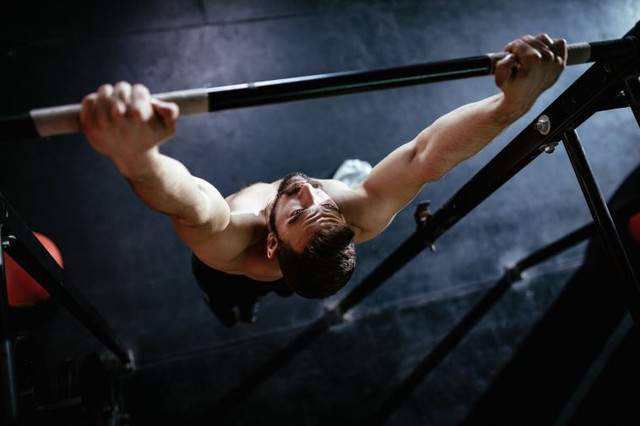

A well-structured workout routine is essential for achieving balanced muscle growth, improving strength, and maintaining overall fitness. One of the most popular training methods among fitness enthusiasts is the push-pull-legs split, where exercises are divided according to specific movement patterns. A pull day focuses on muscles responsible for pulling movements, mainly the back, biceps, rear shoulders, and supporting muscles. A properly planned pull day workout helps improve upper-body strength, posture, muscle definition, and athletic performance.
Unlike random training sessions that target different muscles without proper planning, pull workouts create a focused approach that allows you to train specific muscle groups with enough intensity and recovery time. Whether you are a beginner starting your fitness journey or an experienced lifter looking to improve your physique, understanding the correct exercises, techniques, and training principles can make your workouts more effective.
What Is a Pull Day Workout?
A pull day workout is a training session designed around pulling movements that activate muscles used when bringing weight toward your body. These movements mainly target the back muscles, including the latissimus dorsi, trapezius, rhomboids, and lower back. It also trains the biceps and rear deltoids, which support many pulling exercises.
The main purpose of pull training is to increase upper-body pulling strength while developing muscle size and definition. Common movements included in this type of workout are pull-ups, rows, deadlifts, and biceps curls. These exercises work together to create a stronger back, bigger arms, and improved body balance.
Many fitness programs include a dedicated pull session because it prevents muscle imbalance. While pushing exercises develop the chest and shoulders, pulling movements strengthen the opposite muscles needed for proper posture and shoulder stability. A consistent pull day workout routine can help create a balanced and powerful physique.
Benefits of Following a Pull Day Training Routine
A planned pull workout offers several benefits beyond muscle growth. One major advantage is improved back strength, which plays an important role in daily activities such as lifting, carrying, and maintaining posture. Strong back muscles also support better performance in sports and other physical activities.
Another benefit is improved muscle symmetry. Many people focus heavily on chest and shoulder exercises while ignoring their back muscles. This imbalance can affect posture and increase the risk of discomfort or injuries. Including pulling movements regularly ensures that both the front and back sides of the body develop evenly.
A good pull routine also helps increase grip strength. Exercises like deadlifts, rows, and pull-ups require strong hand and forearm control, which improves overall lifting ability. Additionally, training biceps and rear shoulders during pull sessions helps create a complete upper-body appearance.
A properly designed pull day workout can also improve confidence by helping you build visible muscle definition and functional strength over time.
Muscles Targeted During Pull Day
Understanding the muscles involved in pulling exercises helps you perform movements with better focus. The primary muscle group trained during pull workouts is the back. The latissimus dorsi, commonly called the lats, are responsible for creating width and giving the back a V-shaped appearance.
The trapezius muscles support upper-back strength and help with shoulder movement. The rhomboids, located between the shoulder blades, help with pulling the shoulders backward and maintaining good posture. The lower back muscles also play an important role in stability during heavy movements.
The biceps are another major muscle group trained during pull sessions. Since many back exercises involve bending the elbow and pulling weight toward the body, the biceps receive significant activation. Rear deltoids and forearms also contribute to pulling strength and overall arm development.
By targeting these muscles together, a pull routine creates a complete upper-body training session that supports strength, appearance, and performance.
Best Exercises for a Pull Day Workout
1. Pull-Ups
Pull-ups are one of the most effective bodyweight exercises for developing back strength. They primarily target the lats while also engaging the biceps, shoulders, and core muscles. This exercise improves upper-body pulling ability and builds functional strength.
Beginners can start with assisted pull-ups or resistance bands before progressing to regular pull-ups. Maintaining proper form is important because swinging or using momentum reduces muscle activation. Focus on controlled movements, full range of motion, and squeezing the back muscles at the top.
2. Barbell Rows
Barbell rows are a powerful compound exercise for building back thickness and strength. This movement targets the middle back, lats, and supporting muscles. It also activates the biceps and rear shoulders.
When performing barbell rows, keep your back straight and avoid excessive movement. Pull the bar toward your lower chest area while keeping control throughout the exercise. Increasing weight gradually helps improve strength without compromising technique.
3. Deadlifts
Deadlifts are considered one of the best strength-building exercises because they involve multiple muscle groups. They work the lower back, traps, glutes, hamstrings, and grip muscles.
Although deadlifts are often included in full-body strength programs, they can also be part of a pull-focused routine because of their strong impact on posterior chain development. Proper lifting technique is essential to reduce injury risk and maximize results.
4. Lat Pulldowns
Lat pulldowns are an excellent alternative for people who cannot perform multiple pull-ups yet. They effectively target the lat muscles and help develop back width.
Using controlled movements and avoiding excessive leaning improves muscle engagement. Adjusting grip width can also change how different areas of the back are activated.
5. Dumbbell Rows
Dumbbell rows allow each side of the back to work independently, helping correct muscle imbalances. They improve back thickness and strengthen supporting muscles.
Keeping your body stable while pulling the dumbbell upward ensures better results. Focus on squeezing the shoulder blade and controlling the lowering phase.
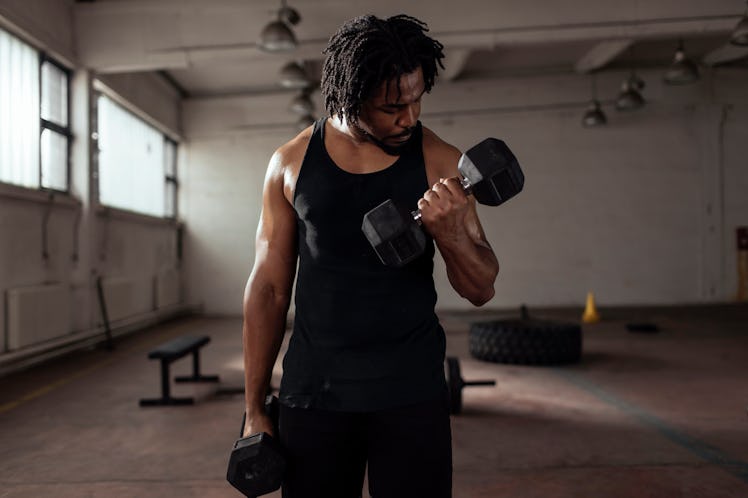
6. Bicep Curls
Although biceps are secondary muscles during many pulling exercises, direct arm exercises help maximize growth. Different curl variations, such as dumbbell curls, hammer curls, and cable curls, can improve arm strength and size.
Adding biceps exercises at the end of your routine allows you to fully fatigue the muscles after completing heavier compound movements.
Sample Pull Day Workout Routine
A balanced workout plan should include compound movements followed by isolation exercises. Here is an example routine:
- Pull-ups – 3 to 4 sets of 8–12 repetitions
- Barbell rows – 3 to 4 sets of 8–10 repetitions
- Lat pulldowns – 3 sets of 10–12 repetitions
- Dumbbell rows – 3 sets of 10 repetitions per side
- Face pulls – 3 sets of 12–15 repetitions
- Bicep curls – 3 sets of 10–12 repetitions
- Hammer curls – 3 sets of 10–12 repetitions
The number of sets and repetitions can be adjusted depending on your fitness level and goals. Beginners should focus more on learning proper form, while advanced lifters can increase intensity and training volume.
Tips to Make Your Pull Workout More Effective
Progressive overload is one of the most important principles for muscle growth. This means gradually increasing weight, repetitions, or training difficulty over time. Your muscles need consistent challenges to continue improving.
Proper warm-up before training is also important. Performing light cardio and mobility exercises prepares your muscles and joints for heavier movements. This can improve performance and reduce injury chances.
Rest and recovery are equally important. Muscles grow when they recover after training, not only during exercise. Getting enough sleep, eating enough protein, and allowing proper recovery time helps maximize results.
Another important factor is maintaining correct exercise form. Using heavy weights with poor technique can reduce muscle activation and increase injury risk. A successful pull day workout depends on quality movements rather than simply lifting the heaviest possible weight.
Common Mistakes to Avoid During Pull Training
One common mistake is relying too much on arm strength during back exercises. Many people pull weights using their biceps instead of engaging their back muscles. Focusing on shoulder blade movement and proper posture improves back activation.
Another mistake is ignoring warm-up and mobility work. Cold muscles are less prepared for intense training, which can affect performance. Taking a few minutes to prepare your body can make workouts safer and more effective.
Training with excessive volume is another issue. More exercises do not always mean better results. A focused routine with proper intensity and recovery usually produces better progress than extremely long sessions.
Avoiding these mistakes helps you get better results and maintain long-term consistency.
Pull Day Workout for Beginners
Beginners should focus on learning movement patterns before increasing weight. Starting with machines, assisted exercises, and lighter weights can help develop proper technique.
A beginner-friendly routine may include lat pulldowns, seated rows, dumbbell rows, and basic biceps exercises. As strength improves, advanced movements like pull-ups and deadlifts can gradually be introduced.
Consistency is more important than intensity during the early stages. Building a strong foundation allows beginners to progress safely and achieve better long-term results.
Nutrition and Recovery for Better Results
Exercise alone is not enough to build muscle. Proper nutrition provides the energy and nutrients required for recovery and growth. Protein-rich foods help repair muscle tissue after training, while carbohydrates provide energy for intense workouts.
Staying hydrated also supports performance and recovery. Drinking enough water throughout the day helps maintain strength and prevents fatigue during training sessions.
Recovery days should also be included in any fitness plan. Giving muscles enough time to repair allows them to become stronger and prevents overtraining.
A combination of effective training, balanced nutrition, and proper recovery creates the best environment for progress.
Conclusion
A consistent pull training routine is an excellent way to develop a stronger back, bigger arms, and improved upper-body balance. By focusing on exercises that target pulling muscles, you can build strength, improve posture, and create a more complete physique.
The key to successful training is choosing effective exercises, maintaining proper form, gradually increasing intensity, and allowing enough recovery time. Whether your goal is muscle growth, strength improvement, or better fitness performance, a structured pull day workout can become an important part of your training program.
With dedication, patience, and consistency, your pull workouts can help you achieve noticeable improvements in both appearance and physical ability.
Read More:- Inner Thigh Workout: Best Exercises for Toned and Strong Legs