
What Are Foods High in Vitamin D, Zinc, and Protein?
Some nutrients are more important than others for a healthy body. It’s essential to get the proper balance of nutrients. A healthy diet must include foods high in vitamin D, zinc, and protein. These nutrients support your immune system, muscles, bones, hormones, and overall energy.
-
Vitamin D foods help the body absorb calcium and boost immunity.
-
Zinc foods enhance immune defenses and speed up wound healing.
-
Protein foods help build muscles, repair tissues, and maintain strength.
Eating meals rich in vitamin D, zinc, and protein regularly supports long-term physical and mental health.
Learning About Foods High in Vitamin D
What Is Vitamin D and Why Does the Body Need It?
Vitamin D is a fat-soluble vitamin essential for strong bones, proper calcium absorption, and a well-functioning immune system. Without foods high in vitamin D, your body struggles to maintain bone density and fight infections.
People with limited sun exposure especially need vitamin D-rich foods. Deficiency may lead to weak bones, fatigue, muscle pain, and lowered immunity.
Foods High in Vitamin D That Are Good for You
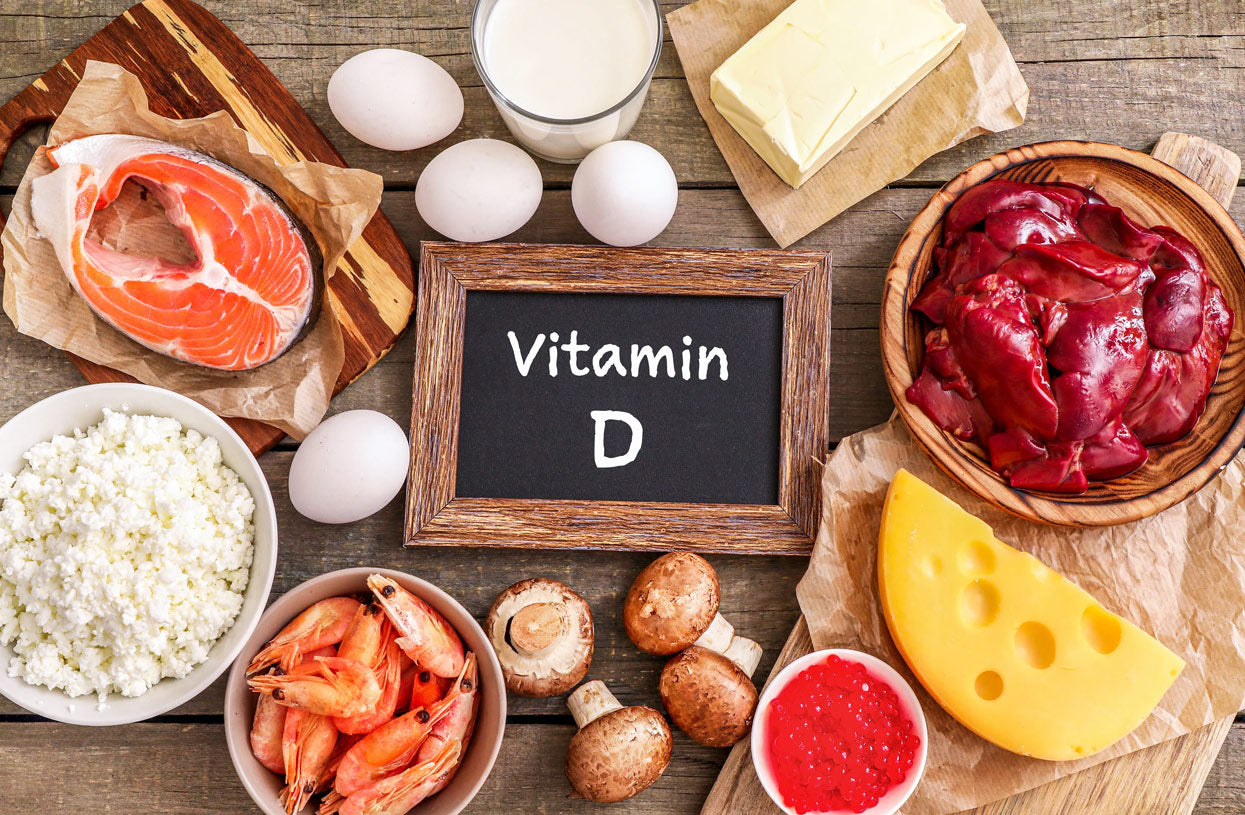
Natural foods with vitamin D are limited, so it’s crucial to choose wisely:
-
Fatty fish such as salmon and tuna
-
Egg yolks
-
Fortified milk and dairy products
-
Fortified plant-based milk
-
Sun-exposed mushrooms
Regular intake of vitamin D-rich foods helps maintain strong bones and optimal vitamin D levels.
Health Benefits of Foods High in Vitamin D
-
Enhanced calcium absorption
-
Stronger bones and teeth
-
Improved immune response
-
Reduced inflammation
-
Better muscle function
Everyone—from children to seniors—benefits from vitamin D-rich foods.
Foods High in Zinc and Their Role in Immunity
Why Zinc Is Important for the Body
Zinc is a trace mineral essential for immunity, cell growth, and enzyme function. Foods rich in zinc help fight infections, heal wounds, and maintain taste and smell.
Zinc deficiency weakens immunity, increases susceptibility to infections, and slows recovery.
Best Natural Foods High in Zinc
Zinc is available from both animal and plant sources:
-
Meat and poultry
-
Seafood, including shellfish
-
Milk and cheese
-
Seeds and nuts
-
Whole grains and legumes
Consuming zinc-rich foods regularly supports immune function and overall metabolism.
Health Benefits of Zinc-Rich Foods
-
Strong immune system
-
Faster wound healing
-
Improved digestion
-
Proper growth and development
-
Healthier skin
Zinc-rich foods are particularly important during illness, stress, and periods of rapid growth.
Foods High in Protein and Their Health Benefits
What Is Protein and Why Is It Important?
Protein is a macronutrient essential for maintaining muscle mass, hormone production, and tissue repair. Foods high in protein supply amino acids that keep the body strong, help repair tissues, and support optimal function.
Protein deficiency can lead to muscle loss, fatigue, delayed recovery, and low energy levels.
Best Sources of High-Protein Foods
Protein can come from both animal and plant sources:
-
Eggs
-
Meat and poultry
-
Fish
-
Dairy products
-
Beans and legumes
-
Seeds and nuts
A variety of protein-rich foods ensures the body receives all essential amino acids.
Health Benefits of Foods High in Protein
-
Muscle growth and repair
-
Improved metabolism
-
Better weight management
-
Increased strength and stamina
-
Sustained energy
Athletes, growing children, and older adults especially need adequate protein intake.
Why Foods High in Vitamin D, Zinc, and Protein Work Best Together
Vitamin D, zinc, and protein complement each other to maintain overall health:
-
Vitamin D strengthens the immune system
-
Zinc boosts immune defenses and recovery
-
Protein repairs and rebuilds tissues
Together, they enhance immunity, muscle function, and overall physical performance.
Planning Daily Meals With the Right Nutrients
A balanced meal plan containing foods rich in vitamin D, zinc, and protein could look like:
-
Breakfast: Nuts, eggs, and milk
-
Lunch: Whole grains, lean protein, and vegetables
-
Dinner: Fish, beans, and dairy
This ensures a consistent intake of essential nutrients throughout the day.
Health Risks of Not Getting Enough Nutrients
Risks of Vitamin D Deficiency
-
Fatigue and muscle weakness
-
Bone pain and fragility
-
Frequent illness
Risks of Zinc Deficiency
-
Weak immune system
-
Slower wound healing
-
Hair loss
Risks of Protein Deficiency
-
Muscle loss
-
Slow recovery
-
Low energy
Who Needs More Vitamin D, Zinc, and Protein
Certain groups require higher intake:
-
Growing children and teens
-
Pregnant or breastfeeding women
-
Athletes or highly active individuals
-
Older adults
-
People recovering from illness
Meeting these needs prevents deficiencies and supports long-term health.
Tips to Improve Absorption and Effectiveness
-
Combine vitamin D-rich foods with healthy fats
-
Distribute zinc intake across meals
-
Pair protein-rich foods with vegetables and healthy carbs
-
Stay hydrated
These habits optimize nutrient absorption and utilization.
Common Misconceptions About Vitamin D, Zinc, and Protein
-
Myth: Supplements are always necessary
Fact: A balanced diet can provide adequate vitamin D, zinc, and protein. -
Myth: High protein harms kidneys
Fact: Healthy individuals can safely consume reasonable amounts of protein.
The Role of Nutrition in Muscle Health and Immunity
-
Vitamin D strengthens immunity
-
Zinc fights infections
-
Protein supports muscle repair
Consuming these nutrients together promotes a strong, resilient body.
Conclusion: The Importance of Foods High in Vitamin D, Zinc, and Protein
Foods rich in vitamin D, zinc, and protein are crucial for immunity, muscle strength, and overall health. They help maintain bone strength, provide energy, and support recovery and immunity.
Eating a variety of vitamin D, zinc, and protein-rich foods every day promotes long-term health, prevents deficiencies, and supports an active lifestyle.
A balanced diet that includes these nutrients is one of the best ways to naturally boost overall health and well-being.