


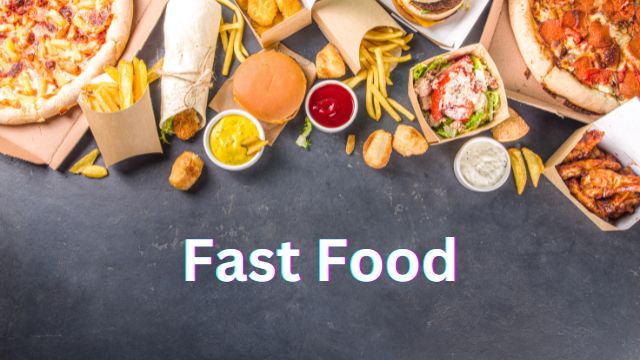
Fast food has become one of the most recognizable aspects of modern dining culture. Known for its convenience, affordability, and quick preparation, it serves millions of people every day across the world. Whether it is a burger during a lunch break, a slice of pizza after work, or a quick sandwich while traveling, fast food provides an easy solution for busy lifestyles.
The growing pace of life has significantly contributed to the popularity of fast food. Many individuals juggle demanding jobs, family responsibilities, education, and social commitments, leaving little time for cooking. As a result, quick-service meals have become a practical choice. However, while convenience is a major advantage, discussions about nutrition, health effects, and dietary balance continue to surround this industry.
Understanding the role of fast food in society requires looking at its history, benefits, challenges, and evolving trends. By examining these factors, consumers can make informed choices while still enjoying the convenience these meals offer.
The History and Evolution of Fast Food
The concept of serving food quickly is not new. Ancient civilizations often sold ready-to-eat meals in marketplaces for travelers and workers. However, the modern fast-food industry began developing in the early twentieth century with the rise of restaurants focused on speed and efficiency.
As urbanization increased, businesses recognized the need for standardized menus, faster service, and affordable pricing. Innovations such as assembly-line food preparation transformed the restaurant experience. These methods reduced waiting times and allowed establishments to serve large numbers of customers efficiently.
Over the decades, technological advancements further accelerated growth. Drive-through services, online ordering systems, mobile applications, and food delivery platforms have reshaped how consumers access meals. Today, the industry includes a wide variety of cuisines, from burgers and fries to wraps, salads, and international dishes.
The evolution of fast food demonstrates how businesses adapt to changing consumer preferences. Modern restaurants now focus not only on speed but also on quality, sustainability, and healthier menu options.
Why Fast Food Is So Popular
The widespread popularity of fast food can be attributed to several factors that align with modern lifestyles. Convenience remains the primary reason people choose quick-service meals. Customers can order food and receive it within minutes, making it ideal for busy schedules.

Other reasons include:
- Affordable pricing compared to many full-service restaurants
- Consistent taste and quality across locations
- Wide availability in urban and rural areas
- Diverse menu choices for different preferences
- Convenient delivery and takeaway options
Consumers also appreciate the predictability of their dining experience. Knowing exactly what to expect from a meal creates a sense of comfort and reliability. This consistency has helped fast-food businesses build strong customer loyalty over the years.
Marketing strategies and branding efforts have further contributed to the industry’s success. Attractive promotions, meal deals, and family-friendly offerings continue to draw customers from various age groups and backgrounds.
Nutritional Overview of Fast Food
Nutritional content varies greatly depending on the type of meal selected. Some options are high in calories, sodium, sugar, and saturated fats, while others provide a more balanced nutritional profile.
The table below compares common meal components and their general nutritional characteristics.
| Food Item | Calories | Protein | Fat | Sodium Level |
|---|---|---|---|---|
| Burger | Moderate to High | High | Moderate to High | High |
| French Fries | Moderate | Low | Moderate | High |
| Grilled Chicken Wrap | Moderate | High | Low to Moderate | Moderate |
| Salad with Lean Protein | Low to Moderate | Moderate | Low | Low to Moderate |
| Pizza Slice | Moderate | Moderate | Moderate | High |
| Fruit Cup | Low | Low | Very Low | Low |
Consumers can improve their nutritional intake by choosing grilled items, incorporating vegetables, selecting smaller portions, and limiting sugary beverages. Understanding nutritional information allows individuals to enjoy meals while maintaining dietary awareness.
Benefits of Fast Food in Modern Society
Despite criticism, fast food offers several practical benefits that contribute to its ongoing popularity. One significant advantage is accessibility. Many people rely on quick-service restaurants when they have limited time or resources to prepare meals at home.
Another benefit is affordability. Families and individuals often find budget-friendly meal options that fit their financial circumstances. This affordability makes dining out more accessible for a broader population.
The industry also creates millions of employment opportunities worldwide. Restaurants provide jobs in management, customer service, food preparation, logistics, marketing, and technology. These opportunities contribute significantly to local and national economies.
Furthermore, modern businesses have expanded menu offerings to accommodate diverse dietary needs. Vegetarian, vegan, low-calorie, and gluten-conscious options are becoming increasingly common. These developments demonstrate how the industry adapts to changing consumer expectations.
Potential Health Concerns Associated with Fast Food
While convenient, excessive consumption of fast food may contribute to various health challenges. Many traditional menu items contain high levels of calories, sodium, added sugars, and unhealthy fats. Frequent consumption of such foods can affect overall dietary quality.
Health professionals often encourage moderation because consistently consuming highly processed meals may increase the risk of weight gain and other nutrition-related concerns. Large portion sizes can also lead to excessive calorie intake without providing sufficient vitamins, minerals, and fiber.
Another issue involves beverage choices. Sugary soft drinks can significantly increase daily sugar consumption. When combined with high-calorie meals, these drinks may contribute to an imbalance between energy intake and expenditure.
It is important to note that occasional consumption is unlikely to cause significant health problems for most individuals. The key lies in maintaining balance and ensuring that quick-service meals are part of a broader, nutritious eating pattern.
How Fast Food Companies Are Adapting to Consumer Demand
Consumer preferences have evolved considerably in recent years. People increasingly seek healthier, more transparent, and environmentally responsible dining options. As a result, many businesses have adjusted their strategies to meet these expectations.
Several trends have emerged:
Healthier Menu Options
Restaurants now offer grilled proteins, fresh salads, fruit-based sides, and reduced-calorie meals. Nutritional information is often displayed to help customers make informed decisions.
Plant-Based Alternatives
The demand for vegetarian and vegan products has encouraged companies to introduce plant-based burgers, meat substitutes, and dairy-free alternatives.
Sustainable Practices
Many businesses are reducing plastic usage, improving packaging materials, and adopting environmentally friendly sourcing practices.
Digital Convenience
Mobile ordering, self-service kiosks, and delivery applications have streamlined the customer experience while maintaining efficiency.
These innovations demonstrate the industry’s ability to respond to changing market conditions and consumer expectations.
Tips for Making Healthier Fast Food Choices
Enjoying quick-service meals does not necessarily mean abandoning healthy eating habits. With thoughtful decision-making, consumers can create more balanced meals that support their nutritional goals.
Choose Lean Proteins
Opt for grilled chicken, fish, or plant-based protein sources instead of heavily fried items whenever possible.
Include Vegetables
Adding vegetables increases fiber, vitamins, and minerals while enhancing meal satisfaction.
Watch Portion Sizes
Smaller portions can help manage calorie intake without eliminating favorite foods.
Select Water or Unsweetened Drinks
Replacing sugary beverages with water or low-calorie alternatives reduces unnecessary sugar consumption.
Limit High-Calorie Extras
Sauces, dressings, and side items can significantly increase calorie content. Using them in moderation can make a noticeable difference.
Following these simple strategies allows consumers to enjoy convenience while maintaining a more balanced approach to nutrition.
The Economic Impact of Fast Food
The fast-food industry plays a substantial role in the global economy. It generates billions in revenue annually and supports extensive supply chains involving agriculture, manufacturing, transportation, and retail services.
Restaurants purchase ingredients from farmers, food processors, packaging manufacturers, and distributors. This interconnected network creates employment opportunities across multiple sectors. Local communities often benefit from tax revenue, business development, and increased economic activity associated with restaurant operations.
Technological innovation within the industry has also driven economic growth. Mobile ordering systems, digital payment platforms, and delivery services have created new business opportunities while enhancing customer convenience.
As consumer demand continues to evolve, companies invest heavily in research, development, and operational improvements. These investments contribute to economic expansion while supporting competitiveness in a rapidly changing marketplace.
The Future of Fast Food
The future of fast food is likely to be shaped by technology, sustainability, and changing consumer preferences. Artificial intelligence, automation, and advanced ordering systems may further improve efficiency and personalization.
Health-conscious dining trends are expected to continue influencing menu development. Restaurants may expand offerings that emphasize fresh ingredients, balanced nutrition, and dietary flexibility. Plant-based products will likely become even more common as consumers seek environmentally responsible food choices.
Sustainability initiatives are also expected to gain importance. Businesses may continue investing in eco-friendly packaging, waste reduction programs, and responsible sourcing practices. These efforts can help address environmental concerns while strengthening brand reputation.
As innovation continues, the industry will likely maintain its focus on convenience while adapting to societal expectations regarding health, quality, and sustainability.
Conclusion
Fast food has become an integral part of modern life due to its convenience, affordability, and accessibility. Its evolution from simple quick-service meals to a diverse global industry reflects changing lifestyles and consumer needs. While fast food offers practical advantages, excessive consumption may present nutritional challenges that should not be ignored.
Read more: Toothpaste for Sensitive Teeth: A Complete Guide to Lasting Relief and Oral Health