

Introduction
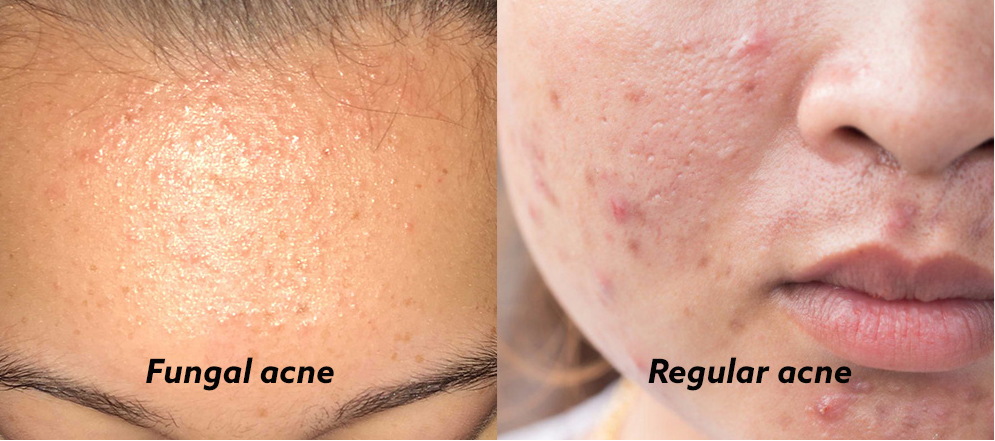
Skin concerns can significantly affect a person’s confidence and daily life. Among the various conditions that impact the skin, fungal acne has gained increasing attention in recent years. Despite its name, fungal acne is not traditional acne. It is a condition caused by an overgrowth of yeast that naturally lives on the skin. Because its appearance closely resembles common acne, many individuals spend months or even years using ineffective products before receiving the right diagnosis.
Learning about fungal acne is essential because the treatment approach differs greatly from standard acne therapies. Using the wrong products may worsen the condition, leading to persistent itching, discomfort, and recurring breakouts. Understanding the causes, symptoms, and available options for fungal acne treatment empowers individuals to make informed decisions regarding their skincare routines.
This comprehensive guide explores everything you need to know about managing fungal acne, including identifying symptoms, understanding triggers, exploring treatment methods, and implementing preventive measures that support long-term skin health.
What Is Fungal Acne?
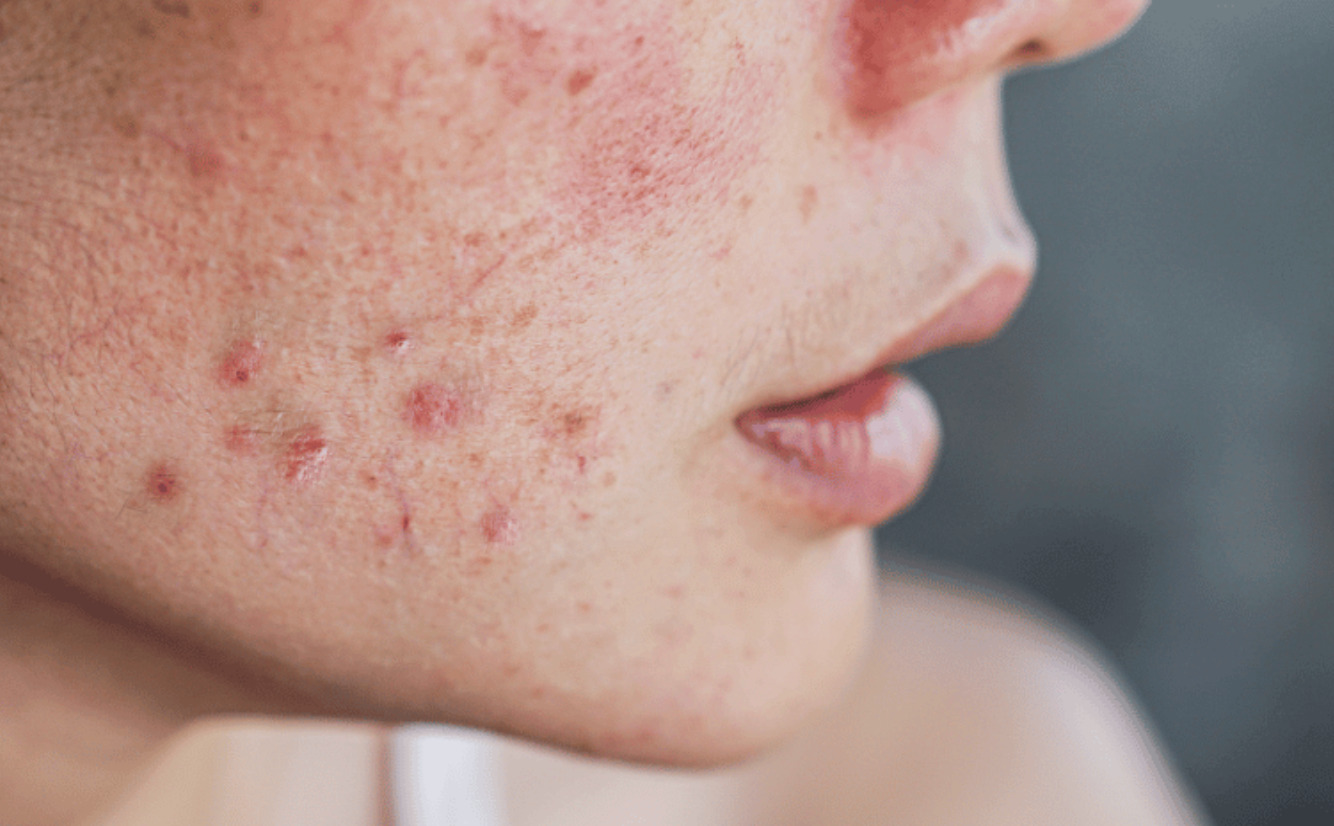
Fungal acne, medically known as Malassezia folliculitis, occurs when an excessive amount of Malassezia yeast infiltrates hair follicles. This yeast naturally exists on healthy skin and generally causes no problems. However, certain circumstances can disrupt the balance of microorganisms on the skin, allowing the yeast population to multiply rapidly.
Unlike bacterial acne, fungal acne typically presents as clusters of small, uniform bumps that often itch. These bumps commonly develop on the forehead, chest, shoulders, upper back, and sometimes the neck. Since the lesions resemble closed comedones or whiteheads, confusion frequently arises during self-diagnosis.
People of all ages may experience fungal acne, although it is especially common among adolescents and young adults due to increased oil production. Warm climates, excessive sweating, and prolonged use of certain medications can also increase susceptibility.
Recognizing the unique characteristics of fungal acne represents the first step toward selecting an appropriate management strategy and achieving clearer skin.
Common Causes of Fungal Acne
Several factors contribute to the development of fungal acne. Understanding these underlying causes can help individuals identify lifestyle habits or environmental conditions that may be triggering their breakouts.
Hot and humid environments create ideal conditions for yeast growth. Excessive perspiration, especially when sweat remains trapped beneath tight clothing, can encourage the proliferation of Malassezia organisms. Individuals living in tropical regions often notice worsening symptoms during warmer months.
The prolonged use of antibiotics is another common contributor. Antibiotics reduce bacterial populations on the skin, sometimes disturbing the natural microbial balance. With fewer competing microorganisms present, yeast may thrive unchecked.
Oily skin can also increase vulnerability because Malassezia feeds on lipids found within sebum. People with naturally oilier complexions may therefore experience more frequent episodes.
Additionally, compromised immune function, high stress levels, and the use of heavy skincare products containing pore-clogging ingredients may further elevate risk factors associated with fungal acne development.
Recognizing the Symptoms
Distinguishing fungal acne from conventional acne is often challenging. Nevertheless, several features can help identify this condition more accurately.
Fungal acne lesions tend to appear as small bumps of nearly identical size and shape. Unlike traditional acne, which includes blackheads, cysts, and varying lesion types, fungal breakouts maintain a relatively uniform appearance.
Persistent itching represents another defining characteristic. Many individuals report moderate to intense itchiness accompanying their breakouts, especially during periods of heat or increased sweating.
The distribution pattern may also provide clues. The forehead, hairline, chest, shoulders, and upper back frequently serve as primary sites of involvement because these regions contain numerous hair follicles and sebaceous glands.
Breakouts that fail to improve despite using standard acne medications should raise suspicion. In many cases, ineffective treatment attempts continue for months until a healthcare professional recognizes the possibility of fungal involvement.
Seeking professional evaluation remains important when symptoms persist or worsen despite consistent skincare efforts.
Why Accurate Diagnosis Matters
Proper diagnosis forms the foundation of successful fungal acne treatment. Misidentifying fungal acne as bacterial acne can delay improvement and contribute to unnecessary frustration.
Traditional acne therapies often rely on antibacterial ingredients designed to target Cutibacterium acnes bacteria. While these products benefit individuals with common acne, they may offer little relief for fungal conditions. In some situations, they may even exacerbate symptoms by disrupting microbial balance.
Healthcare providers typically evaluate lesion appearance, symptom history, and treatment responses. Occasionally, laboratory tests involving skin scrapings may assist in confirming the diagnosis.
Receiving an accurate diagnosis enables patients to pursue targeted interventions that address the true underlying cause. This personalized approach increases the likelihood of symptom resolution and minimizes the risk of recurrence.
Understanding the distinction between fungal and bacterial skin conditions ultimately supports better treatment outcomes and healthier skin management practices.
Effective Fungal Acne Treatment Options
Selecting an appropriate fungal acne treatment strategy depends on symptom severity, recurrence frequency, and individual health considerations. Treatment plans often combine topical therapies with lifestyle modifications.
Topical antifungal products frequently serve as first-line interventions. Ingredients designed to inhibit yeast growth can reduce inflammation and improve lesion appearance over time. Consistent application according to professional guidance is essential for achieving optimal results.
In more extensive or resistant cases, healthcare providers may recommend oral medications. These prescription options address yeast overgrowth systemically and may produce faster improvement under medical supervision.
Maintaining realistic expectations is equally important. While some individuals notice progress within several weeks, others require longer periods before achieving significant results. Patience and adherence to recommended treatment protocols contribute substantially to success.
Importantly, treatment effectiveness varies between individuals. Ongoing communication with qualified healthcare professionals ensures that therapy adjustments can be made when necessary to optimize outcomes.
Skincare Habits That Support Recovery
Developing a thoughtful skincare routine can complement fungal acne treatment efforts and help reduce irritation during recovery.
Gentle cleansing practices remove excess oil, sweat, and environmental debris without excessively stripping the skin’s protective barrier. Over-cleansing may provoke increased oil production or compromise skin resilience.
Choosing lightweight, non-comedogenic moisturizers supports hydration while minimizing the likelihood of follicular obstruction. Well-hydrated skin often functions more effectively and tolerates active ingredients better.
Individuals experiencing fungal acne should also pay close attention to ingredient selection. Products containing heavy oils or certain esters may not be suitable for everyone. Reading labels carefully and monitoring skin responses can guide future purchasing decisions.
Consistency remains a crucial factor. Frequent product switching may hinder progress by introducing unnecessary variables into the skincare regimen. Allowing sufficient time to evaluate product performance promotes more informed decision-making.
Ultimately, supportive skincare practices enhance comfort and create favorable conditions for healing.
Lifestyle Changes for Prevention
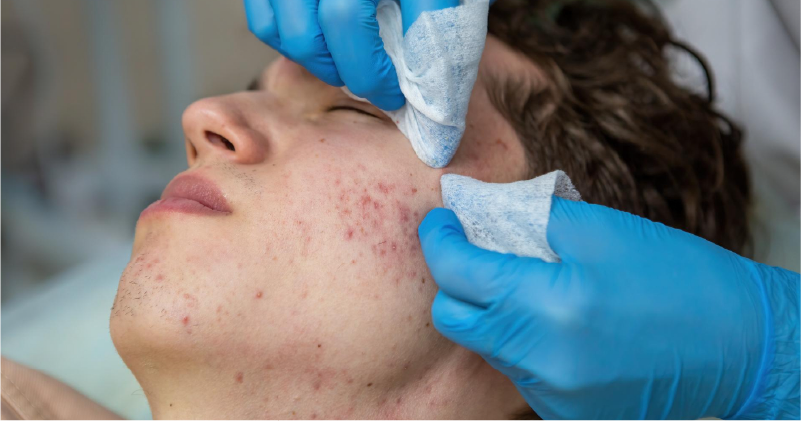
Preventive strategies play a valuable role in reducing the likelihood of future fungal acne episodes. Small adjustments to daily routines can produce meaningful improvements over time.
Changing out of sweaty clothing promptly after exercise minimizes prolonged moisture exposure. Breathable fabrics may further reduce heat retention and friction against the skin.
Regular laundering of pillowcases, towels, and workout attire helps limit the accumulation of oils and microorganisms. Maintaining these hygiene practices supports overall skin health.
Stress management deserves consideration as well. Chronic stress influences hormonal activity and immune function, potentially affecting skin resilience. Incorporating relaxation techniques, physical activity, and adequate sleep into daily life may yield benefits beyond skin appearance alone.
Dietary modifications have not been conclusively linked to fungal acne prevention. However, prioritizing balanced nutrition contributes positively to general wellness and immune system function.
Combining these preventive measures with appropriate medical guidance strengthens long-term management efforts.
Common Mistakes to Avoid
Many individuals unknowingly engage in behaviors that prolong fungal acne symptoms. Recognizing these pitfalls can improve treatment experiences.
Self-diagnosing without professional input sometimes results in inappropriate product selection. Since several skin conditions share overlapping features, obtaining expert evaluation remains advisable.
Excessive exfoliation constitutes another common mistake. Harsh scrubs and overuse of active ingredients may compromise the skin barrier, leading to increased sensitivity and discomfort.
Discontinuing treatment prematurely can also hinder success. Improvements may occur gradually, making persistence necessary even when immediate results are not evident.
Ignoring lifestyle triggers such as sweaty clothing, inadequate cleansing after exercise, or frequent use of occlusive products may contribute to recurring outbreaks.
Avoiding these missteps enhances the effectiveness of fungal acne treatment plans and supports more consistent progress toward clearer skin.
When to Consult a Healthcare Professional
Although mild cases sometimes respond to conservative measures, professional evaluation becomes important under specific circumstances.
Persistent breakouts lasting several weeks despite home care warrant medical attention. Similarly, rapidly spreading lesions or significant itching should prompt consultation.
Healthcare professionals possess the expertise required to distinguish fungal acne from eczema, bacterial folliculitis, allergic reactions, and other dermatological conditions. Accurate identification ensures appropriate intervention.
Individuals with underlying medical conditions affecting immune function should exercise additional caution. Early assessment may prevent complications and facilitate timely management.
Collaborative decision-making between patients and providers supports individualized care plans that address unique concerns, preferences, and treatment goals.
Seeking help when needed demonstrates a proactive commitment to health and well-being.
Long-Term Outlook
The prognosis for fungal acne is generally favorable when addressed appropriately. Many individuals achieve substantial improvement through consistent adherence to recommended therapies and preventive practices.
However, recurrence remains possible, particularly among those exposed to persistent triggers such as humid environments or frequent sweating. Recognizing early warning signs enables prompt intervention before symptoms intensify.
Maintaining realistic expectations contributes to emotional resilience during the treatment process. Skin healing often occurs gradually rather than overnight.
Education empowers individuals to navigate future challenges confidently. Understanding how lifestyle factors, skincare choices, and medical guidance interact provides a strong foundation for ongoing skin maintenance.
With patience and informed decision-making, people affected by fungal acne can successfully manage their symptoms and enjoy improved quality of life.
Conclusion
Fungal acne represents a unique dermatological condition that requires a distinct approach compared with traditional acne management. Recognizing characteristic symptoms such as uniform itchy bumps and identifying contributing factors can significantly influence treatment outcomes.
An effective fungal acne treatment plan often combines targeted therapies, supportive skincare practices, and preventive lifestyle modifications. Seeking accurate diagnosis from qualified healthcare professionals ensures that interventions address the true source of the problem rather than merely masking symptoms.
Consistency, patience, and education remain central to successful long-term management. While setbacks may occasionally occur, understanding the mechanisms behind fungal acne empowers individuals to respond effectively and reduce recurrence risks.
By prioritizing evidence-based care and maintaining healthy daily habits, those affected by fungal acne can work toward clearer, more comfortable skin and greater confidence in their appearance. Ultimately, informed action provides the strongest pathway to lasting improvement and enhanced overall well-being.