

Smoothies have become one of the easiest and most enjoyable ways to increase daily nutrition. Whether you’re looking for a quick breakfast, a post-workout drink, or a healthy snack, smoothies can deliver vitamins, minerals, protein, and fiber in one convenient glass. By combining fresh fruits, vegetables, dairy or plant-based milk, seeds, and other wholesome ingredients, you can create drinks that support energy, digestion, immunity, and overall wellness.
One of the greatest advantages of smoothies is their versatility. They can be customized according to dietary preferences, seasonal ingredients, or personal health goals. Including nutrient-rich foods in your smoothie ensures your body receives essential nutrients without sacrificing taste. From tropical fruit combinations to protein-packed green smoothies, there are countless recipes to enjoy. This guide explores healthy smoothie recipes, their nutritional benefits, ingredient choices, preparation tips, and creative variations that can help you maintain a balanced and healthy lifestyle.
Why Healthy Smoothies Are Good for You
Healthy smoothies are much more than blended fruit drinks. When prepared with balanced ingredients, they provide protein, healthy fats, fiber, vitamins, antioxidants, and hydration. Unlike sugary beverages, homemade smoothies allow you to control every ingredient, making them a healthier choice.


A well-balanced smoothie keeps you fuller for longer because it contains fiber and protein. It also helps maintain stable blood sugar levels when made with natural ingredients instead of added sugars. Many people find smoothies useful for increasing vegetable intake since leafy greens blend well without overpowering the flavor.
Nutritious foods such as spinach, kale, oats, yogurt, flaxseeds, berries, bananas, and nuts contribute valuable nutrients while creating satisfying textures. Smoothies are also ideal for busy mornings because they require minimal preparation and are portable. With endless ingredient combinations available, they can support weight management, digestive health, heart health, and improved energy levels throughout the day.
Essential Ingredients for Healthy Smoothies
The secret to a nutritious smoothie lies in selecting high-quality ingredients that provide balanced nutrition.
Fruits
Fresh or frozen fruits naturally sweeten smoothies while supplying vitamins, antioxidants, and fiber.
Popular choices include:
- Bananas
- Blueberries
- Strawberries
- Mangoes
- Pineapple
- Apples
- Peaches
- Kiwi
Vegetables
Leafy greens and vegetables increase vitamin and mineral content without dramatically changing the flavor.
Excellent options include:
- Spinach
- Kale
- Cucumber
- Carrots
- Beetroot
- Celery
Adding these wholesome foods helps improve nutrient density while supporting overall health.
Protein Sources
Protein makes smoothies more filling.
Good options include:
- Greek yogurt
- Cottage cheese
- Protein powder
- Silken tofu
- Nut butter
Healthy Fats
Healthy fats improve satiety and nutrient absorption.
Examples include:
- Chia seeds
- Flaxseeds
- Almond butter
- Peanut butter
- Walnuts
- Avocado
Healthy Smoothie Ingredient Guide
| Ingredient | Main Nutrients | Health Benefits | Best Used For |
|---|---|---|---|
| Banana | Potassium, Fiber | Energy, digestion | Breakfast smoothies |
| Spinach | Iron, Vitamin A | Immunity, overall health | Green smoothies |
| Greek Yogurt | Protein, Calcium | Muscle recovery | Protein smoothies |
| Blueberries | Antioxidants | Heart and brain health | Berry smoothies |
| Chia Seeds | Omega-3, Fiber | Fullness, digestion | Weight management |
| Oats | Complex carbohydrates | Sustained energy | Meal replacement |
| Almond Milk | Vitamin E | Low-calorie base | Dairy-free recipes |
| Avocado | Healthy fats | Creamy texture | High-nutrition smoothies |
Best Healthy Smoothie Recipes
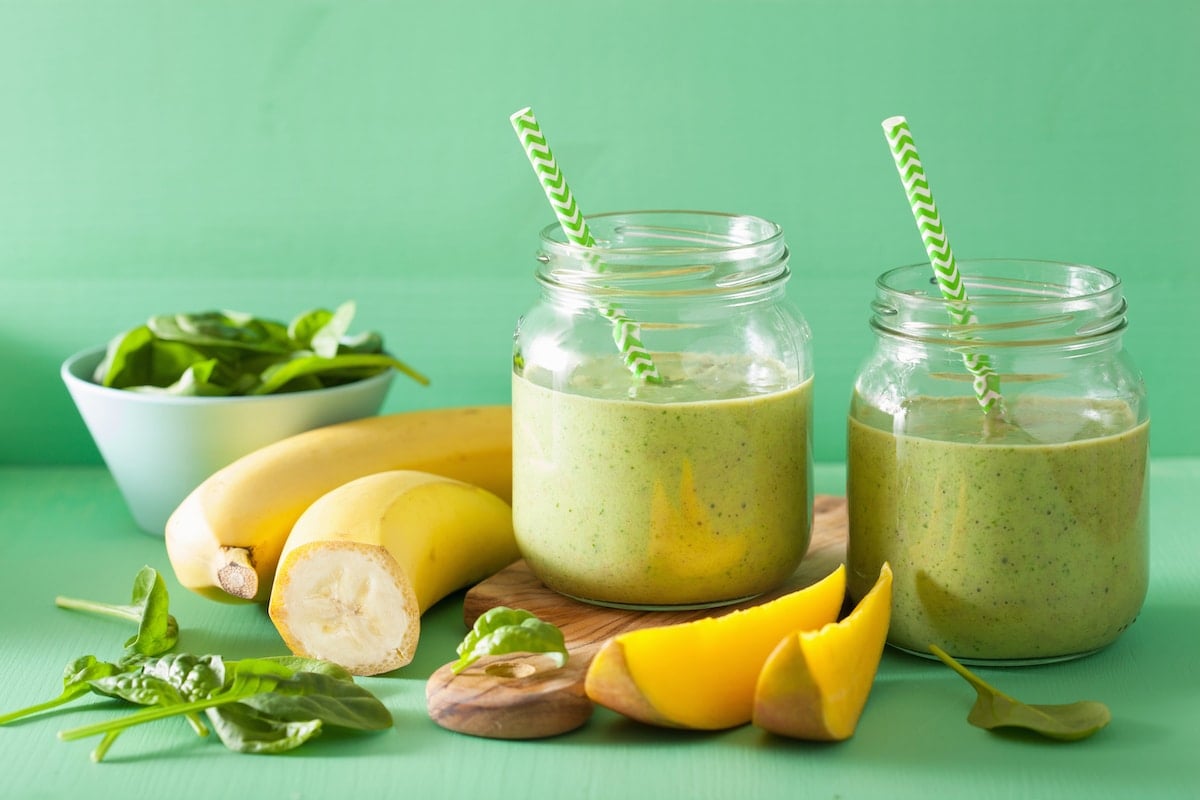
1. Classic Green Smoothie
Ingredients:
- 1 banana
- 1 cup spinach
- 1 cup almond milk
- ½ avocado
- 1 tablespoon chia seeds
This smoothie is rich in vitamins, healthy fats, and fiber. The banana balances the mild flavor of spinach, creating a creamy and refreshing drink.
2. Berry Antioxidant Smoothie
Ingredients:
- Mixed berries
- Greek yogurt
- Almond milk
- Flaxseeds
- Honey (optional)
Berries contain antioxidants that support healthy aging while yogurt provides protein for lasting fullness.
3. Tropical Energy Smoothie
Ingredients:
- Mango
- Pineapple
- Coconut water
- Banana
- Lime juice
Perfect for warm weather, this smoothie delivers hydration and natural sweetness.
4. Chocolate Peanut Butter Protein Smoothie
Ingredients:
- Banana
- Unsweetened cocoa powder
- Peanut butter
- Milk
- Protein powder
Ideal after exercise, this smoothie combines protein with healthy fats for muscle recovery.
These recipes include nutrient-rich foods that help maintain a balanced diet while offering delicious flavors suitable for every season.
Smoothies for Weight Management
Healthy smoothies can support weight management when prepared correctly. The goal is to create drinks that satisfy hunger without excessive calories. Including protein, fiber, and healthy fats slows digestion and keeps you feeling full longer.
Avoid relying only on fruit because excessive natural sugars may increase calorie intake. Instead, combine fruits with vegetables, yogurt, oats, seeds, or protein powder. Measuring ingredients also helps maintain appropriate portion sizes.
Whole foods like oats, flaxseeds, berries, spinach, and unsweetened yogurt provide long-lasting energy while preventing unnecessary snacking. Drinking smoothies as meal replacements occasionally can be effective, provided they contain balanced nutrition. However, they should complement a healthy eating pattern rather than replace every meal.
Regular physical activity alongside nutritious smoothies contributes to sustainable weight management and improved overall wellness.
Smoothies for Breakfast
Breakfast smoothies offer a quick solution for busy mornings. A balanced breakfast smoothie should include carbohydrates for energy, protein for fullness, healthy fats, and fiber for digestive health.
A typical breakfast smoothie may include:
- Banana
- Oats
- Greek yogurt
- Peanut butter
- Milk
- Cinnamon
This combination delivers sustained energy throughout the morning while reducing cravings before lunch.
Preparing freezer smoothie packs in advance saves time. Simply portion fruits and vegetables into freezer bags and blend them with your preferred liquid when needed. These nutrient-packed foods make breakfast convenient while supporting healthy eating habits.
Common Smoothie Mistakes to Avoid
Many smoothies become unhealthy due to unnecessary ingredients. Being aware of common mistakes helps maximize nutritional value.
Avoid these errors:
- Adding excessive sugar
- Using flavored yogurts with added sweeteners
- Including too much fruit
- Skipping protein
- Ignoring portion sizes
- Adding high-calorie syrups
- Using only fruit juice as the liquid base
Instead, focus on balanced ingredients that provide lasting energy and nutrition. Choosing whole foods over processed ingredients improves both flavor and health benefits.
Tips for Making Better Smoothies
Small improvements can significantly enhance both taste and nutrition.
Helpful tips include:
- Freeze ripe bananas for creaminess.
- Add leafy greens first.
- Blend liquids before frozen ingredients.
- Use unsweetened milk alternatives.
- Include protein in every smoothie.
- Experiment with spices like cinnamon or ginger.
- Rotate fruits and vegetables regularly.
- Store leftovers in airtight containers for short periods.
Using seasonal foods also improves flavor while keeping ingredient costs lower throughout the year.
Smoothies for Different Health Goals
Different smoothie combinations support various wellness objectives.
Energy
Use bananas, oats, dates, and peanut butter.
Muscle Recovery
Include Greek yogurt, protein powder, berries, and milk.
Digestive Health
Blend kefir, spinach, chia seeds, kiwi, and pineapple.
Immune Support
Use oranges, strawberries, spinach, ginger, and turmeric.
Heart Health
Choose blueberries, oats, flaxseeds, walnuts, and almond milk.
Selecting nutrient-rich foods according to your personal goals allows smoothies to become an effective part of a healthy lifestyle.
How to Keep Smoothies Balanced
Balance is the foundation of every healthy smoothie. Instead of focusing solely on taste, consider the nutritional profile of each ingredient. A balanced smoothie generally includes one serving of fruit, one serving of vegetables, a protein source, healthy fat, and a liquid base. This combination helps maintain stable energy levels while providing essential nutrients throughout the day.
Fiber-rich ingredients such as oats, berries, spinach, and chia seeds slow digestion and help you stay satisfied longer. Protein supports muscle maintenance, while healthy fats improve vitamin absorption. Rotating different foods throughout the week also increases nutrient variety and prevents dietary boredom. Homemade smoothies remain one of the simplest ways to enjoy balanced nutrition without spending hours preparing meals.
Conclusion
Healthy smoothie recipes provide a delicious and practical way to improve daily nutrition. By combining fruits, vegetables, protein sources, healthy fats, and fiber, you can create beverages that support energy, digestion, immunity, muscle recovery, and overall wellness. The flexibility of smoothies makes them suitable for nearly every dietary preference and health goal.
Read more: Exercise for Belly Fat: The Complete Guide to Losing Stubborn Stomach Fat