

Introduction
The Romanian deadlift is one of the best strength training exercises for building the posterior chain, which includes the muscles down the back of the body. Because it builds strength, improves posture, and makes functional movement easier, a lot of athletes, bodybuilders, and those who just want to get healthy utilize it. This lift is different from most lower-body workouts since it focuses on the hip hinge pattern instead of bending the knees. This makes it very useful.
This exercise came from Olympic weightlifting and became popular in gyms since it works a lot of big muscle groups at once. As time went on, coaches and trainers improved the technique to make it safer and easier for people of all fitness levels to use. It is now a common part of strength training programs all around the world.
It’s vital to understand this exercise in full because how well you do it will decide whether it increases strength or puts too much stress on your lower back. When done right, it can improve lower-body strength, balance, and muscular endurance, which can help you perform better as an athlete.
The Movement’s History and Growth
This workout has its origins in weightlifting practices from Eastern Europe. International coaches were interested in Romanian lifters because they had very strong hamstrings and hips. People who watched these athletes do a deadlift variant saw that it was less about bringing the bar up from the floor and more about moving the hips in a controlled way.
As strength training became popular all over the world, this method was changed to work in general fitness settings. Trainers knew that it taught the right way to hinge at the hips, which is a basic movement pattern that is needed for everyday tasks like lifting things, bending, and keeping the spine in line. Over the years, it became a unique lift with its own identity, rules, and coaching cues.
Not only is it a workout in the gym, but it is also a tool for rehabilitation and athletic fitness. Physical therapists frequently employ lighter versions of the action to retrain the way the hips work, while professional athletes utilize greater loads to improve their explosive power and resilience.
The Muscles that Were Worked Throughout the Exercise

One of the main reasons people like the Romanian deadlift is that it works a lot of important muscle groups at once. The hamstrings are the main muscles used. They extend under strain when you lower your body and then contract to bring it back up. This unusual way of loading makes the exercise very good for building muscle.
The gluteal muscles are also very important. They help support the pelvis and extend the hips throughout the activity. Strong glutes not only make you better at sports, but they also lessen your risk of lower back pain by taking some of the stress off your back.
The erector spinae and the core muscles are examples of secondary muscles. The erector spinae support the spine, and the core muscles keep the torso in line. Also, the upper back and forearms are used to hold the barbell in place and keep the shoulders in the right place. This mix of muscle activation makes the lift both hard and effective.
Why You Should Add This Lift to Your Training
The Romanian deadlift has a lot of benefits that go beyond just building muscle. One of its best benefits is that it makes the hips more flexible and stronger. It teaches the body how to move efficiently by strengthening the hip hinge pattern. This helps you do better in sports and in everyday life.
Another big benefit is that it helps your hamstrings grow stronger. A lot of people have trouble training this muscle group well, and they commonly use isolation workouts. This lift lets you raise heavier weights while still being in control, which makes your muscles stronger and more durable.
Another big benefit is that it helps with posture. The practice strengthens healthy posture habits since it requires a straight spine and an active core. Over time, this can help make up for the disadvantages of sitting for lengthy periods of time and moving in the wrong way. It also helps avoid injuries by making the muscles that protect the hips, knees, and lower back stronger.
Proper Technique and Execution
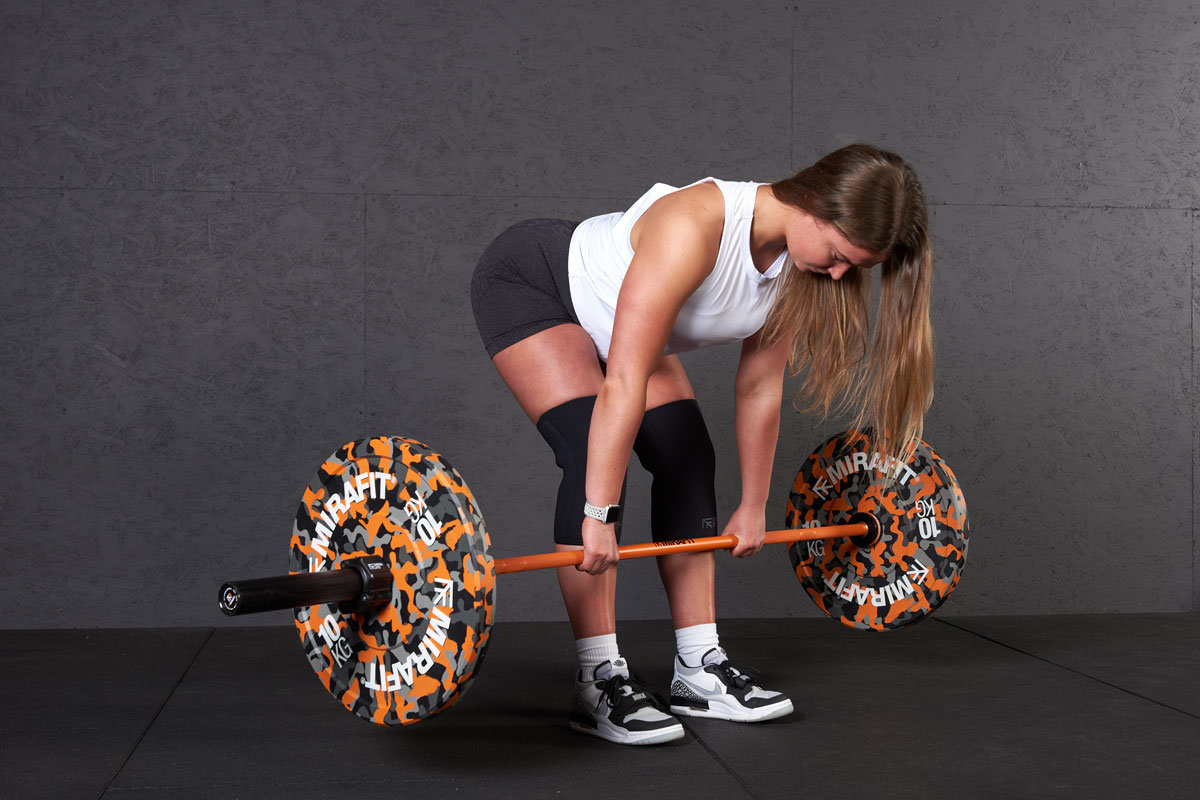
To get the most out of the Romanian deadlift, you need to learn how to do it well. The movement starts with the bar at hip level while standing. The feet should be around hip-width apart to give you a secure basis. The shoulders are pulled back a little, and the chest stays wide.
When the movement starts, the hips go back and the knees bend just a little. The bar moves close to the body and slides down the thighs. The spine is neutral the whole time, and the head stays in line with the torso. The lowering phase goes on until the hamstrings feel a stretch, which normally happens when the bar is at mid-shin level.
The glutes and hamstrings contract, and the hips move forward to bring the body back to standing. The bar moves up the same path until it reaches hip height. Breathing is very crucial; many lifters breathe in before they go down and out as they get up. To do something safely and well, you need to be aware of what you’re doing and move in a controlled way.
How to Avoid Common Mistakes
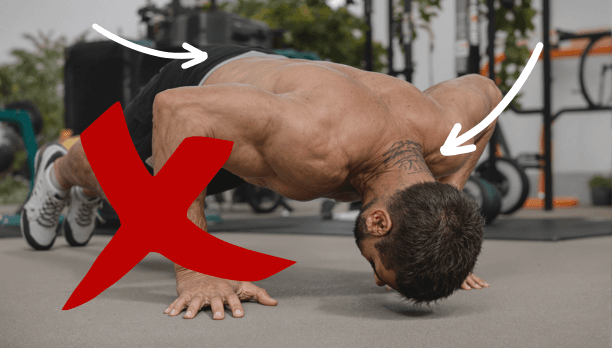
Even while it has benefits, people often do the romanian deadlift wrong, which can make it less effective and raise the risk of injury. One mistake that happens a lot is rounding the lower back. Most of the time, this happens when the lifter lowers the bar too far or lifts too much weight. Always put keeping your spine neutral ahead of depth.
Another common mistake is bending the knees too far, which turns the exercise into a squat. Some knee flexion is required, but too much bending makes the quadriceps work harder than the hamstrings. Focusing on moving the hips back helps keep the right pattern.
Another problem is using momentum instead of controlled movement. If you rush through repetitions, you might not use your muscles as much and your form might suffer. If you slow down the fall and keep the tension, the muscles you want to work will do their job. Paying attention to these aspects helps you get the most out of your efforts while lowering your risk.
Variations and Modifications
There are several types of the Romanian deadlift that are good for people with varying goals and levels of experience. Beginners like dumbbell versions because they let you move around more freely and help you find muscle imbalances. Kettlebell variations provide you a similar advantage while making it harder to hold on to the weight.
Single-leg versions make it harder to balance and keep your core stable. By doing one side at a time, they show differences and help with coordination. People typically utilize these in sports training and recuperation.
Changing the tempo, like slowing down the lowering phase, can make the muscles work harder and help them grow. For people who want to build endurance or recover, resistance bands and smaller weights can also be used. Each variant has a specific purpose and can be used in a training program to add diversity and make progress.
Suggestions for Programming and Training
How often and how hard you do this exercise depends on your own goals. The romanian deadlift is usually done with moderate to heavy weights and few repetitions to build strength. This method focuses on how the brain and muscles adapt and work together.
People often utilize modest weights with a lot of reps to build muscle. This puts stress on the metabolism and damages the muscles, both of which help with hypertrophy. Rest periods and the total amount of training should be changed to give the body enough time to heal.
This lift can be part of a bigger conditioning program for athletes that focuses on explosive hip extension and control. It is commonly done with other workouts that improve strength and flexibility in these situations. If you program your workouts correctly, they will help you make long-term development instead of making you tired or overworked.
Things to Think about for Safety and Avoiding Injuries

Safety is very important for any strength exercises, and the Romanian deadlift is no exception. Warming up properly before lifting helps get your muscles and joints ready for the work they will have to do. Light sets and mobility drills can help you move more freely and make you less stiff.
Another crucial thing is to use the right weight. Lifting for ego often means bad form and a higher chance of getting hurt. Over time, gradual progression lets the body become used to new things and strengthens connective tissues.
It’s important to pay attention to your body. It’s natural for your muscles to hurt, but not for them to hurt really badly or strain. If you feel anything strange, it’s best to pause and check your technique or talk to a competent specialist. Paying attention to safety makes sure that the exercise stays a long-term value instead of a liability.
Role in Sports and Everyday Life
The Romanian deadlift is useful for more than just working out; it also helps with everyday movement and sports performance. It strengthens the hip hinge pattern, which is important for things like picking up groceries, bending down to pick things up, and keeping your balance while moving.
Strong hips and hamstrings help athletes run faster, jump higher, and change direction more quickly. This kind of training is very helpful for sports that need a lot of explosive force, including football, basketball, and track events.
People who aren’t competitive athletes can nonetheless have a better quality of life. As we get older, stronger, more stable, and better posture make it easier to move and less likely to get hurt. This makes the exercise useful for a lot of different groups of people.
In conclusion
The Romanian deadlift is a strong and flexible exercise that helps build strength, muscle, and functional mobility. It works especially well for establishing a strong and balanced physique because it focuses on the back chain. When done correctly and with care, it has benefits that go beyond just looks.
People can confidently add this lift to their routines if they know its history, how it works, and how to use it. This exercise is a great base for any aim, whether it’s to improve athletic performance, avoid injuries, or just get in shape. If you do it regularly and pay attention to your form, it can be quite important for your long-term health and athletic capacity.
Read More:- What Is a Romanian Deadlift and Why It Matters for Strength