

Introduction
There are a lot of strength training routines that appear the same at first but feel totally different as you do them. What is a romanian deadlift one of the most talked-about exercises for the lower body and back. It is notable for generating strength, improving posture, and strengthening muscular control. It looks a lot like other deadlift variations, but its purpose and how it’s done make it very different.
Knowing how to do this lift is helpful for people who work out, athletes, beginners, and anyone who wants to improve their movement quality over time. This article goes into detail about what is a romanian deadlift, including where it came from, how it works, its benefits, and how to use it in a balanced workout regimen.
The Exercise’s History and Where It Came From
This movement’s history goes back to Olympic weightlifting, not bodybuilding culture. Romanian weightlifters showed off a distinctive hip-hinge action during training sessions, which made it famous. The bar didn’t start on the floor like it does in regular deadlifts, and the knees stayed only slightly bent during the whole movement.
Over time, coaches and strength trainers saw how useful this method was for building up the hamstrings, glutes, and spinal stability. The exercise got its moniker, what is a romanian deadlift, because of the athletes who made it famous around the world. It has now become a standard part of strength training programs in all sports and fitness areas.
Getting to Know the Core Movement Pattern

The hip hinge is the most important part of this exercise. When you do a hip hinge, you bend at the hips while keeping your spine straight and your chest under control. This pattern is important for safe lifting, sports performance, and everyday tasks like bending down or picking things up.
The hips go back and the torso leans forward throughout the raise. The bar or weight stays close to the legs, and the movement stops when the hips can’t go back any further without bending the spine. This workout is both useful and hard because it only lets you move in a certain way.
This exercise focuses on hip flexion and extension, unlike squats, which focus on knee flexion. That difference influences which muscles do the most work and how the body changes over time.
How the Romanian Deadlift is Different from Other Deadlifts
This variation is part of the deadlift family, however it is very different from the others. In a normal deadlift, the bar starts on the floor and the knees bend a lot. What is a romanian deadlift, on the other hand, starts from a standing posture and concentrates on lowering the weight in a controlled way.
Another difference is the amount of tension. The hamstrings and other muscles stay tense throughout this exercise. The weight doesn’t touch the ground very often between sets, which keeps the muscles under tension for a longer period of time.
This version also focuses on eccentric strength, which means that the muscles work hard while they are getting longer. That strange control is really important for building muscle, improving flexibility, and avoiding injuries.
Muscles Used During the Workout

The hamstrings, which are the muscles that run along the back of the thighs, are the main muscles that are worked. These muscles let the hip extend and are very important for running, jumping, and overall lower-body strength.
The glute muscles also play a big role. They help the hips go forward while lifting and keep the pelvis stable during the whole exercise. A strong link between the glutes and hamstrings helps you stand up straight and puts less stress on your lower back.
The spinal erectors are muscles that run along the spine and act isometrically to keep the back in a neutral position. Even though they don’t move around much, they are quite important for the strength and integrity of the spine. The core muscles, such as the abs, help by supporting the torso and keeping it from moving about when you don’t want it to.
Why This Exercise Is Important for Training
One reason people respect this movement so much is that it works the posterior chain. The muscles on the rear of the body that help with strong, efficient movement make up the posterior chain. Many people are quad-dominant since they sit a lot and do things every day. This exercise helps bring their muscles back into balance.
Another benefit is that you become more conscious of your body. The right way to do what is a romanian deadlift teaches lifters how to move their hips without using their spine as a crutch. This talent can be used in a lot of other exercises and daily tasks.
The raise also helps keep your joints healthy in the long run. By making the muscles around the hips and spine stronger, it helps keep these areas from getting too much stress. If done correctly, it can lessen the risk of lower back pain instead of raising it.
Correct Technique and Execution
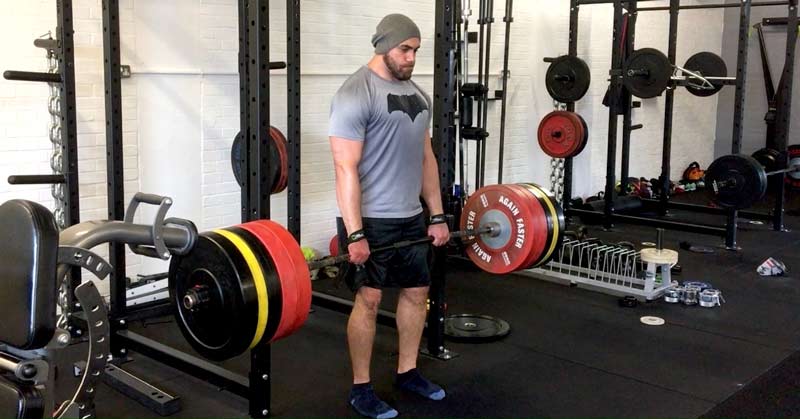
A robust setup is the first step in execution. The lifter stands tall with the weight in front of their thighs, their arms straight, and their shoulders back and down. The feet are normally hip-width apart, which makes for a sturdy basis.
From this position, the lifter starts the exercise by pushing their hips back. The knees bend a little, but they don’t move much. The torso leans forward as the weight moves down in a straight line near the legs.
The drop goes on until the hamstrings are fully stretched and the spine stays straight. At this point, the lifter pushes their hips forward and squeezes their glutes to reverse the movement. The lifter’s chest raises naturally, and they stand up straight without leaning back too much.
Breathing is also important. A controlled breath in before the descent and a powerful exhale during the lift help keep the core stable and the rhythm going.
Mistakes that Happen Often and How they Change the Results
One of the most common mistakes is to make the movement into a squat. If you bend your knees too much, the load will move away from your hamstrings, making the exercise less effective. Another problem is rounding the lower back, which puts too much strain on the spine.
Some lifters reduce the weight too much to try to get more range of motion. But everyone is different when it comes to flexibility, and forcing depth can frequently lead to bad placement. The idea is to keep the tension under control, not to contact the floor.
Another typical mistake is to use momentum. When the weight drops quickly and then bounces back up, the muscles relax and the risk of injury goes up. Moving slowly and carefully makes sure that the muscles do the job instead of gravity.
Advantages Other Than Muscle Growth
Building muscle is a big benefit, but this workout has other benefits as well. By making the hamstrings stronger as they are stretched out, it makes them more flexible. Athletes can really benefit from this mix of strength and flexibility.
The lift also helps with posture. It fights the effects of sitting for a long time and being out of alignment by making the muscles that hold you up stronger. This can lead to better movement quality and less pain during everyday activities over time.
In rehabilitation and injury prevention, regulated hip-hinge movements are routinely used again to safely recover strength. When load and volume are handled correctly, what is a romanian deadlift works well with these kinds of regimens.
Different Types and Choices of Equipment
You can do the exercise using dumbbells, kettlebells, or even resistance bands, even though it is usually done with a barbell. Each choice varies the feel a little bit, but the basic pattern stays the same.
Dumbbells provide you more freedom of movement and can assist fix problems with asymmetries between sides. Because of their center of mass, kettlebells typically make the hip hinge feel more natural. Bands offer accommodating resistance, which makes the lifter’s muscles work harder as they stand up taller.
The rules stay the same no matter what equipment you use. The workout is more about controlled movement, appropriate alignment, and focusing on the hips than the tool utilized.
Things to Think about When Programming and Frequency
This lift is commonly done on days when the focus is on lower body or pulling in strength programs. Because it requires a lot of muscle exertion, recuperation should be carefully planned. Most trainees do it once or twice a week.
Different aims call for different ranges of repetition. Lower repetitions with heavier weights focus on strength, while moderate repetitions help build muscle and endurance. You may also change the tempo, and slower descents will make the time under strain longer.
Like with any other compound movement, improvement should be slow. Adding weight too rapidly might hurt your technique, but gradual, steady increases can help you get better over time.
Who Should Do This Exercise
This exercise is good for a lot of people, from beginners who are just learning how to move to advanced lifters who want to get stronger. Beginners usually start with lesser weights to learn the right way to do things before moving on to heavier ones.
It helps athletes with their sprinting, jumping, and change-of-direction skills. When the exercise is done at the right level, office workers and older folks may benefit from stronger hips and better posture.
The most important thing is teaching and being mindful of yourself. Learning how the movement should feel helps make sure that it is safe and works for everyone.
The Mind-Muscle Link in the Lift
One thing that many don’t think about enough when doing this workout is how much mental attention it takes. Feeling the stretch in your hamstrings and the work of your glutes helps you remember how to do things correctly. The lifter typically loses touch with these feelings when they rush through sets.
Over time, building a strong mind-muscle link leads to better performance. The technique becomes smoother and more effective when the lifter deliberately thinks about pulling their hips back and driving them forward.
This understanding also makes people less dependent on too much weight and shifts their focus from quantity to quality.
Long-Term Role in Strength and Health
Doing hip-hinge exercises over and over again for months and years makes you stronger. As we get older, what is a romanian deadlift helps us keep our functional strength. It helps with things like carrying groceries, climbing stairs, and keeping your balance.
In sports, it helps in making power and avoiding injuries. It works well with other exercises since it focuses on muscles that don’t get enough activity.
Because it can be used for so many different things, it will always be useful, no matter what your goals are, whether they are strength, looks, or health.
In conclusion
What is a romanian deadlift more than just a different way to do a movement. It is a concentrated workout that teaches you how to move correctly, builds important muscles, and helps you perform better overall. It helps you in more ways than just the gym by focusing on the hip hinge and keeping tension on it all the time.
When done with care and attention to technique and progression, it becomes a powerful way to get stronger, improve your posture, and move better. Its long-lasting popularity in many fitness areas shows that it works and can be used in many ways, making it a great addition to almost any training program.
Read More:- Dumbbell Romanian Deadlift: Form, Benefits, Muscles & Tips