

Introduction
The Romanian Deadlift, often abbreviated as RDL, is one of the most effective exercises for targeting the posterior chain of the body. Unlike traditional deadlifts, which primarily focus on lifting maximal weight from the ground, the Romanian Deadlift emphasizes the stretch and contraction of the hamstrings, glutes, and lower back. It is particularly effective for developing strength, flexibility, and stability in the lower body while minimizing the risk of injury when performed correctly.
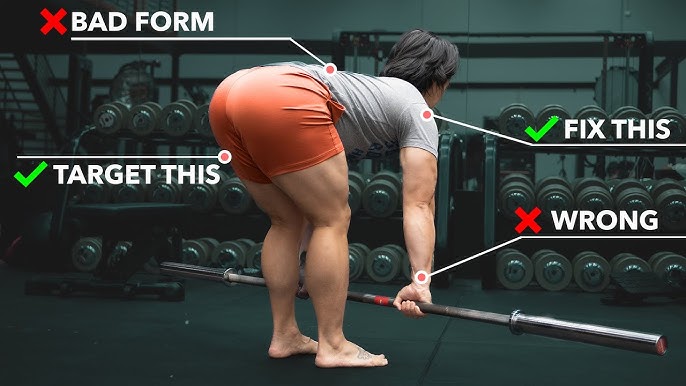
The Romanian Deadlift is characterized by a controlled hip hinge movement, where the lifter keeps the barbell or dumbbells close to the body, maintaining a slight bend in the knees and keeping the spine neutral. This motion isolates the hamstrings and glutes more than the conventional deadlift, making it a popular choice among athletes, bodybuilders, and fitness enthusiasts alike.
The Romanian Deadlift strengthens hamstrings and glutes while improving posture, stability, and flexibility, making it essential for lower body workouts.
Barbell Romanian Deadlift
The barbell Romanian Deadlift is the most traditional form of the exercise. Using a barbell allows for heavier loads, which promotes strength gains in the posterior chain. To perform the barbell Romanian Deadlift safely, start with your feet hip-width apart and the barbell resting on the thighs. Keep the shoulders back, core engaged, and maintain a slight bend in the knees.
Lower the barbell slowly, hinging at the hips while keeping it close to your legs. The movement continues until you feel a stretch in the hamstrings, usually when the barbell reaches just below the knees or mid-shin level. Avoid rounding the lower back, as this can increase the risk of injury. Pause for a moment at the bottom before driving your hips forward to return to the starting position.
The barbell Romanian Deadlift can also be varied to target different parts of the posterior chain. Using a wider stance can engage the glutes more, while a narrower stance emphasizes the hamstrings. Adjusting the weight and repetitions can help customize the exercise for strength, hypertrophy, or endurance goals.
Master the barbell Romanian Deadlift by keeping your back neutral and hinging at the hips to maximize hamstring and glute engagement safely.
Romanian Deadlift with Dumbbells
Dumbbells provide a versatile alternative to the barbell, allowing for a greater range of motion and easier accommodation of shoulder or wrist limitations. The dumbbell Romanian Deadlift involves holding a dumbbell in each hand with an overhand grip, keeping the dumbbells close to the thighs.
The movement is similar to the barbell variation: hinge at the hips, lower the dumbbells slowly, and maintain a straight spine. The advantage of dumbbells is that they allow each side of the body to work independently, correcting muscular imbalances and promoting stability. Dumbbells are also ideal for home workouts, as they require less equipment and allow for easier adjustments to weight increments.
Dumbbell Romanian Deadlifts are particularly beneficial for beginners or individuals recovering from injury, as the lighter loads reduce strain on the lower back while still engaging the hamstrings, glutes, and erector spinae effectively.
Kettlebell Romanian Deadlift
The kettlebell Romanian Deadlift is another variation that emphasizes dynamic strength, grip endurance, and hip hinge mechanics. Using a kettlebell requires the lifter to maintain a neutral spine while controlling a weight that often shifts slightly with movement. This adds an element of stabilization, engaging the core more than traditional barbell or dumbbell variations.
To perform a kettlebell Romanian Deadlift, hold the kettlebell with both hands in front of your thighs. Hinge at the hips, lower the kettlebell toward the floor while keeping your back flat, and then return to standing by driving through your heels and extending the hips. Kettlebells are ideal for functional training, combining strength and conditioning benefits in one movement.
Kettlebell variations can include single-arm Romanian Deadlifts, which further challenge balance and unilateral strength. This makes them excellent for athletes, especially those in sports requiring explosive lower-body power.
Safety and Form Tips for Romanian Deadlifts
Performing Romanian Deadlifts safely requires attention to posture, control, and gradual progression in weight. A common mistake is rounding the lower back, which can place excessive stress on the spine. Maintaining a neutral spine, engaging the core, and keeping the shoulders pulled back ensures that the hamstrings and glutes absorb the majority of the load.
Breathing technique also plays a crucial role. Inhale deeply before lowering the weight, hold the breath slightly while hinging to create intra-abdominal pressure, and exhale as you return to the standing position. This approach not only improves stability but also protects the lower back from potential injuries.
Another key factor is flexibility. Tight hamstrings can limit your range of motion and lead to compensatory rounding of the lower back. Incorporating hamstring stretches and mobility exercises into your routine can enhance your Romanian Deadlift performance and reduce injury risk.
Table: Romanian Deadlift Variations and Key Benefits
| Variation | Equipment | Key Benefits | Ideal For |
|---|---|---|---|
| Barbell Romanian Deadlift | Barbell | Maximal strength, hamstring and glute growth | Advanced lifters, strength focus |
| Dumbbell Romanian Deadlift | Dumbbells | Correct imbalances, joint-friendly | Beginners, home workouts |
| Kettlebell Romanian Deadlift | Kettlebell | Core stability, functional strength | Athletes, conditioning workouts |
| Single-Leg Romanian Deadlift | Barbell/Dumbbell | Balance, unilateral strength | Rehab, athletic training |
| Deficit Romanian Deadlift | Barbell | Increased hamstring stretch, mobility | Intermediate to advanced |
Romanian Deadlift Variations
The Romanian Deadlift can be modified to suit various training goals. Single-leg Romanian Deadlifts enhance balance and unilateral strength, making them ideal for addressing muscle imbalances. Deficit Romanian Deadlifts involve standing on a raised platform, which increases the range of motion and intensifies the hamstring stretch. Resistance bands can also be used to add variable tension throughout the movement, creating a unique training stimulus.
Each variation provides different benefits while maintaining the fundamental hip hinge pattern. It is important to master the basic Romanian Deadlift before attempting more advanced variations to ensure proper form and minimize injury risk.
Conclusion
The Romanian Deadlift is a highly effective exercise for strengthening the hamstrings, glutes, and lower back while improving overall posterior chain stability. Whether using a barbell, dumbbells, or kettlebells, proper form, controlled motion, and gradual progression are essential for safety and effectiveness.
Incorporating Romanian Deadlifts into your training routine can enhance performance in sports, improve posture, and reduce the risk of lower back injuries. For optimal results, prioritize form over weight, maintain flexibility in the hamstrings, and progressively challenge your muscles with variations such as single-leg or deficit Romanian Deadlifts.
Romanian Deadlifts target hamstrings, glutes, and lower back. Prioritize form, control, and progressive variations for safe and effective strength training.
Read More:- Perfect Romanian Deadlift Form: Step-by-Step Instructions