

Introduction
Learn effective ways to get water out of your ear safely. Avoid discomfort and prevent infections with these simple methods.
Getting water trapped in your ear can be uncomfortable and sometimes even painful. Many people experience this after swimming, showering, or even sweating heavily. If not addressed, it can lead to irritation or ear infections. In this article, we will explore several methods to get water out of your ear, provide prevention tips, and explain when to seek medical help.
Why Water Gets Trapped in Your Ear
Understanding why water gets trapped in your ear helps prevent infections and discomfort. Learn the causes and risks.
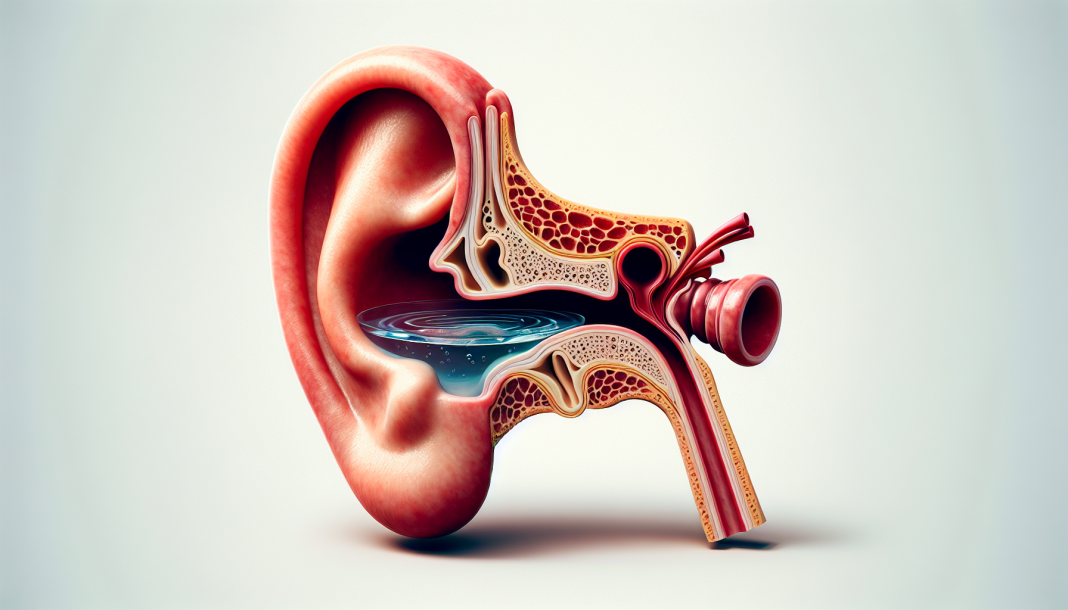
Water can get trapped in the ear canal due to its shape and natural wax buildup. The ear canal is narrow and slightly curved, making it easy for water to remain inside. Factors that increase the risk include:
- Excess earwax (cerumen) buildup
- Swimmer’s ear or ear infections
- Narrow or unusually shaped ear canals
- Sleeping immediately after swimming
When water stays in the ear, it creates a moist environment, which can lead to bacterial or fungal infections.
7 Simple Ways to Get Water Out of Your Ear
Here are some effective and safe methods to get water out of your ear:
-
Tilt Your Head and Tug Your Earlobe
Tilt your head to the side of the trapped water and gently pull your earlobe downward. This helps straighten the ear canal and allows water to drain naturally. -
Create a Vacuum with Your Palm
Place your palm over the affected ear and press gently to create a seal. Tilt your head side to side to create a vacuum effect and pull the water out. -
Use Gravity and Jumping Motions
Tilt your head to the side and perform gentle hopping or rocking motions. Gravity can help dislodge trapped water. -
Try the Valsalva Maneuver
Close your mouth, pinch your nose, and gently blow to equalize ear pressure. This method may help push water out if done carefully. -
Use a Hair Dryer on Low Heat
Set the hair dryer on the lowest heat and speed. Hold it a safe distance from your ear (6–12 inches) and let the warm air evaporate the water. -
Use Alcohol and Vinegar Drops
Mix equal parts of rubbing alcohol and white vinegar and place 2–3 drops in your ear. The alcohol helps dry the water, and vinegar prevents bacterial growth. -
Chew or Yawn
Moving your jaw by chewing or yawning can open the Eustachian tubes and allow water to drain naturally.
Table: Methods to Get Water Out of Your Ear
| Method | How It Works | Safety Notes |
|---|---|---|
| Tilt head & tug earlobe | Straightens ear canal | Gentle motion recommended |
| Palm vacuum | Creates suction | Avoid excessive pressure |
| Gravity & hopping | Uses natural drainage | Safe for most people |
| Valsalva maneuver | Equalizes ear pressure | Do not blow too hard |
| Hair dryer | Evaporates water | Use low heat, keep distance |
| Alcohol & vinegar drops | Dries water & prevents infection | Avoid if ear is irritated |
| Chewing/Yawning | Opens Eustachian tube | Natural and safe |
Prevention Tips to Avoid Water in Your Ear
Prevent water from getting trapped in your ear with these simple tips and protect your ears from infections.
While it’s important to know how to get water out of your ear, prevention is even better. Here are some tips:
- Use earplugs while swimming or showering
- Dry ears thoroughly after swimming or bathing
- Tilt your head to drain water after getting wet
- Avoid inserting cotton swabs, which can push water deeper
- Manage earwax buildup safely with drops or professional cleaning
When to See a Doctor
If home remedies do not work or you experience severe pain, fever, or discharge, it’s important to see a healthcare provider. Persistent trapped water can lead to swimmer’s ear, bacterial infections, or other ear problems that require professional treatment.
Warning Signs:
- Ear pain that worsens
- Hearing loss or muffled hearing
- Foul-smelling discharge
- Fever
If water stays trapped in your ear and causes pain, fever, or discharge, consult a doctor immediately to prevent infections.
Home Remedies vs. Medical Treatments
Most cases of water in the ear can be managed at home. However, if you have chronic issues or ear infections, a doctor may prescribe:
- Antibiotic ear drops for bacterial infections
- Ear cleaning procedures for excess wax
- Examination of the ear canal for blockages
Table: Home Remedies vs Medical Treatments
| Approach | Effectiveness | Best For |
|---|---|---|
| Home Remedies | High for minor cases | Trapped water, mild discomfort |
| Medical Treatments | Necessary for infections | Persistent pain, discharge, hearing loss |
Additional Tips for Faster Relief
- Sleep with your head tilted toward the affected ear
- Avoid swimming until the ear is dry
- Keep ears dry after exercise or showering
- Avoid inserting objects into the ear canal
Conclusion
Trapped water in the ear is a common issue that can usually be solved with simple home remedies. Methods like tilting your head, using a hair dryer, or alcohol and vinegar drops are effective and safe. Prevention with earplugs and proper drying techniques can reduce future incidents. However, if symptoms persist, consult a doctor to avoid complications like infections.
Easily get water out of your ear with simple remedies. Prevent infections and discomfort with these tips and know when to see a doctor.
By following these methods and precautions, you can ensure your ears stay healthy and dry, avoiding pain and potential infections.
Read More:- How to Treat Swollen Lymph Nodes in Neck Naturally | Effective Home Remedies