

A straight and healthy smile is something many people desire, and modern orthodontic treatments have made it easier than ever to achieve. Among the most popular options today are ceramic braces, which provide effective teeth alignment while offering a more discreet appearance than traditional metal braces. They are designed to blend with the natural color of your teeth, making them a preferred choice for teenagers and adults who want orthodontic treatment without drawing too much attention.
Ceramic braces work similarly to traditional braces by applying gentle pressure to move teeth into their correct positions over time. However, instead of shiny metal brackets, they use tooth-colored or clear ceramic brackets that are less noticeable. While they provide excellent results, proper care and maintenance are essential to keep them looking clean and functioning effectively. Choosing the right orthodontic treatment is an important dental decision that depends on your oral health, lifestyle, and budget. This guide explains everything you need to know about ceramic braces, including their benefits, drawbacks, treatment process, maintenance, costs, and frequently asked questions.
What Are Ceramic Braces?
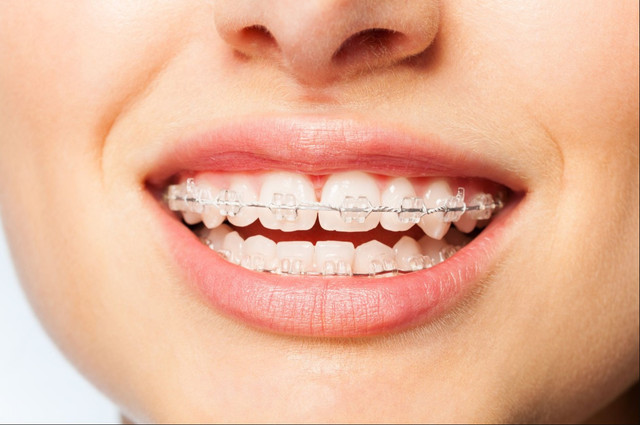
Ceramic braces are orthodontic appliances designed to correct crooked, crowded, spaced, or misaligned teeth. They consist of ceramic brackets attached to the front surface of the teeth, connected by a thin archwire. The ceramic material closely matches the natural tooth color, making the braces far less noticeable than traditional metal braces.
Like metal braces, ceramic braces gradually move teeth into their proper positions through controlled pressure. They are commonly recommended for patients with moderate to severe alignment problems that cannot be effectively treated with removable clear aligners. Many adults choose ceramic braces because they provide reliable results while maintaining a more professional appearance during treatment.
From a dental perspective, ceramic braces combine aesthetics with functionality, making them one of the most popular orthodontic choices available today.
Benefits of Ceramic Braces
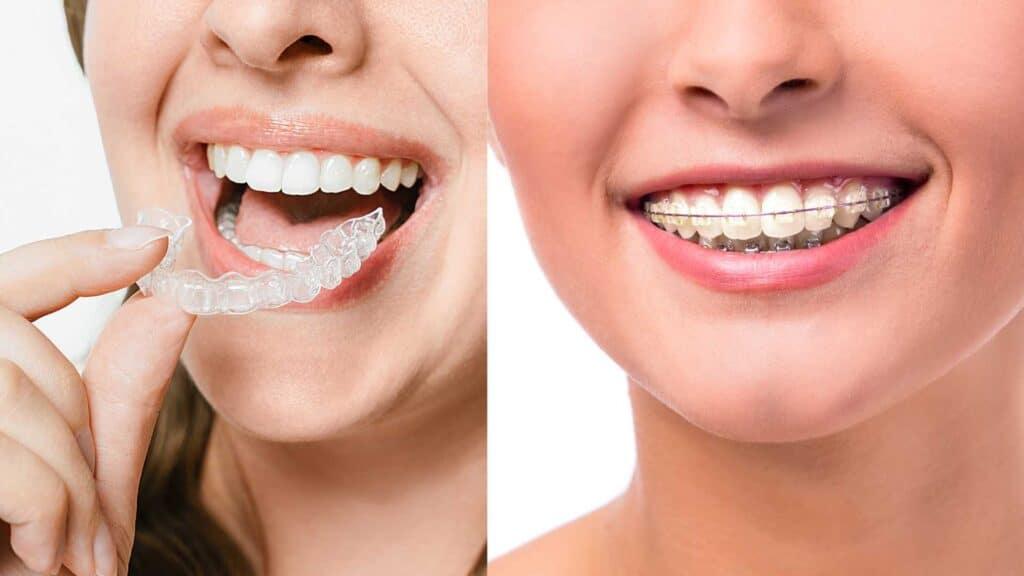
Ceramic braces offer numerous advantages that make them appealing for people who want both effective treatment and a discreet appearance.
Some of the major benefits include:
- Tooth-colored brackets blend naturally with teeth.
- Less noticeable than traditional metal braces.
- Effective for correcting complex alignment problems.
- Suitable for teenagers and adults.
- Comfortable with smooth ceramic brackets.
- Produce predictable orthodontic results.
- Help improve bite alignment and overall oral function.
- Boost confidence during treatment.
Beyond cosmetic appeal, ceramic braces contribute to better dental health by improving tooth alignment. Properly aligned teeth are easier to clean, reducing the risk of plaque buildup, cavities, and gum disease. Correcting bite problems also decreases uneven tooth wear and jaw discomfort over time.
How Ceramic Braces Work
The treatment process begins with a comprehensive orthodontic examination. Your orthodontist evaluates your teeth, jaw alignment, and bite using photographs, X-rays, and digital impressions. Based on these findings, a customized treatment plan is created.
Ceramic brackets are bonded to each tooth using a special adhesive. A thin archwire passes through the brackets and is secured with elastic ties or self-ligating clips. The wire applies continuous pressure, gradually moving teeth into their desired positions.
Regular adjustment appointments, usually every four to eight weeks, allow the orthodontist to tighten or replace wires as needed. These adjustments ensure consistent tooth movement throughout treatment.
Proper dental monitoring during each visit ensures that teeth are moving safely and according to the treatment plan while minimizing complications.
Ceramic Braces vs Metal Braces
Although ceramic and metal braces function similarly, there are important differences between them.
| Feature | Ceramic Braces | Metal Braces |
|---|---|---|
| Appearance | Tooth-colored and discreet | Highly visible |
| Strength | Durable but slightly more fragile | Extremely strong |
| Comfort | Smooth and comfortable | Comfortable after adjustment period |
| Stain Risk | Elastic bands may stain | Minimal staining concerns |
| Cost | Generally more expensive | Usually more affordable |
| Treatment Efficiency | Excellent | Excellent |
| Popular Among | Adults and older teens | Children and teenagers |
Both options provide excellent orthodontic results. However, patients who prioritize appearance often choose ceramic braces despite the slightly higher cost.
Who Is a Good Candidate for Ceramic Braces?
Ceramic braces are suitable for many individuals seeking orthodontic treatment. However, they are especially recommended for patients who are concerned about the visibility of traditional braces.
Ideal candidates include:
- Adults with professional careers
- Teenagers seeking less noticeable braces
- Patients with moderate to severe crowding
- Individuals with spacing issues
- People with bite alignment problems
- Patients committed to maintaining excellent oral hygiene
An experienced orthodontist will determine whether ceramic braces are the best dental treatment option after evaluating your specific orthodontic needs and oral health.
The Ceramic Braces Treatment Process
Initial Consultation
The orthodontist performs a complete examination, discusses treatment goals, and develops a personalized treatment plan.
Bracket Placement
Each ceramic bracket is carefully attached to the teeth using a strong bonding material. The archwire is then inserted to begin tooth movement.
Regular Adjustments
Routine appointments allow wire adjustments, elastic replacements, and monitoring of treatment progress.
Removal
Once the teeth have reached their ideal positions, the braces are removed, and the adhesive is polished away.
Retention
A custom retainer helps maintain the new tooth positions and prevents relapse after treatment.
Throughout every stage, maintaining good dental hygiene is essential for achieving the best possible outcome.
How Long Does Treatment Take?
Treatment duration varies depending on the complexity of each case. Most patients wear ceramic braces for approximately 18 to 30 months.
Several factors influence treatment time:
- Severity of tooth misalignment
- Patient age
- Jaw growth
- Bite correction needs
- Consistency with orthodontic appointments
- Oral hygiene habits
Patients who carefully follow their orthodontist’s instructions often experience smoother treatment with fewer delays.
How to Care for Ceramic Braces
Maintaining ceramic braces requires consistent oral hygiene and careful food choices. Proper care helps prevent staining, tooth decay, and damage to the brackets.
Daily care tips include:
- Brush after every meal.
- Use fluoride toothpaste.
- Clean between brackets using interdental brushes.
- Floss daily with orthodontic floss threaders.
- Rinse with antibacterial mouthwash.
- Attend every scheduled adjustment appointment.
Foods to avoid include:
- Hard candies
- Ice cubes
- Sticky caramel
- Chewing gum
- Popcorn kernels
- Very crunchy snacks
Excellent dental care throughout treatment keeps both the braces and teeth healthy while reducing the risk of complications.
Do Ceramic Braces Stain?
The ceramic brackets themselves are highly resistant to staining. However, the elastic bands surrounding the brackets can discolor over time, especially if frequently exposed to strongly pigmented foods and beverages.
Common staining sources include:
- Coffee
- Tea
- Red wine
- Curry
- Tomato sauce
- Dark-colored soft drinks
Fortunately, orthodontists replace the elastic bands during regular adjustment visits, restoring the clean appearance of the braces.
Good oral hygiene and limiting stain-causing foods help maintain the attractive appearance of ceramic braces throughout treatment.
Possible Disadvantages of Ceramic Braces
Although ceramic braces offer many advantages, they also have some limitations that patients should understand before beginning treatment.
Potential disadvantages include:
- Higher cost than metal braces.
- Brackets can be more fragile.
- Elastic bands may stain.
- Slightly larger brackets than metal versions.
- Require excellent oral hygiene.
- Treatment may occasionally take slightly longer in certain cases.
Despite these drawbacks, many patients believe the improved appearance makes ceramic braces well worth the investment.
Cost of Ceramic Braces
The overall cost of ceramic braces depends on several factors, including treatment complexity, orthodontist experience, geographic location, and treatment duration.
Factors affecting cost include:
- Initial consultation
- Diagnostic X-rays
- Orthodontic records
- Braces placement
- Adjustment appointments
- Retainers after treatment
While ceramic braces generally cost more than traditional metal braces, many clinics offer flexible payment plans that make treatment more affordable.
Investing in orthodontic care not only enhances appearance but also supports long-term dental health by improving bite function and making teeth easier to clean.
Tips for a Successful Ceramic Braces Experience
Achieving excellent orthodontic results requires cooperation between the patient and orthodontist.
Helpful tips include:
- Brush and floss thoroughly every day.
- Avoid foods that can damage brackets.
- Wear any recommended elastics consistently.
- Attend every scheduled appointment.
- Replace worn orthodontic supplies as needed.
- Report broken brackets immediately.
- Wear retainers exactly as instructed after treatment.
Following these recommendations greatly improves treatment efficiency while protecting your oral and dental health.
Conclusion
Ceramic braces provide an excellent balance between effective orthodontic treatment and attractive aesthetics. Their tooth-colored appearance allows patients to straighten their teeth with greater confidence while achieving reliable, long-lasting results. Although they require careful maintenance and may cost more than traditional metal braces, many individuals appreciate the discreet appearance they provide throughout treatment.
Read more: Healthy Smoothie Recipes: Delicious Blends for Better Health