

Introduction
Discover how long is pink eye contagious, how it spreads, and tips to prevent infection. Stay safe while managing symptoms effectively.
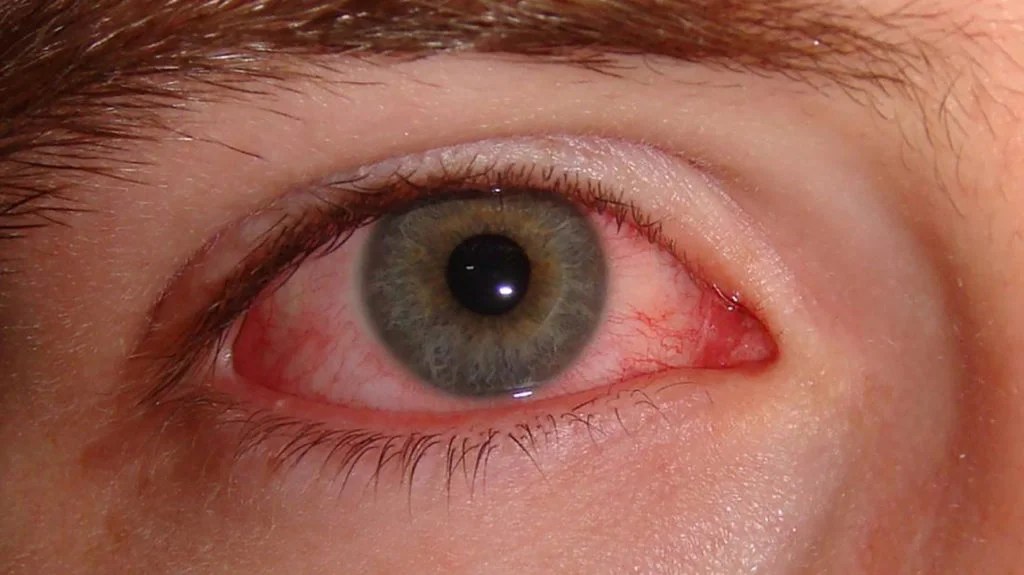
Pink eye, also known as conjunctivitis, is one of the most common eye conditions worldwide. It causes redness, irritation, and discharge in the eyes. But one of the most pressing questions people have is: how long is pink eye contagious? Understanding the contagious period is essential to prevent spreading it to family, friends, or coworkers.
There are several types of pink eye, and each has different levels of contagiousness. In this blog, we’ll explore the contagious timeline, causes, symptoms, treatments, and preventive measures to ensure safety.
What Is Pink Eye?
Pink eye is an inflammation of the conjunctiva, the thin, transparent layer covering the white part of your eye and the inner surface of your eyelids. While it’s commonly mild, it can be highly contagious depending on its cause.
The three main types of pink eye are:
- Viral Pink Eye – Usually caused by adenoviruses. Highly contagious.
- Bacterial Pink Eye – Caused by bacteria like Staphylococcus aureus. Contagious and may require antibiotics.
- Allergic Pink Eye – Triggered by allergens like pollen or dust. Not contagious.
Knowing the type is critical because it determines how long pink eye is contagious and the appropriate treatment.
How Long Is Pink Eye Contagious?
Understand how long is pink eye contagious, depending on whether it’s viral, bacterial, or allergic, and protect others from getting infected.
The contagious period varies by type:
| Type of Pink Eye | Contagious Period | Notes |
|---|---|---|
| Viral | 3–7 days, sometimes up to 2 weeks | Highly contagious through direct contact and contaminated surfaces |
| Bacterial | 24–48 hours after starting antibiotics | Contagious until infection begins to clear with treatment |
| Allergic | Not contagious | Triggered by allergens, so it doesn’t spread from person to person |
Key points to remember:
- Viral pink eye can spread even before symptoms appear.
- Bacterial pink eye requires hygiene and sometimes antibiotics to stop spreading.
- Allergic pink eye is never contagious.
Symptoms of Pink Eye
Recognizing symptoms early can help reduce transmission. Common symptoms include:
- Redness in one or both eyes
- Itching or burning sensation
- Watery or thick yellow/green discharge
- Swelling of the eyelids
- Sensitivity to light
Tip: If you notice these symptoms, avoid touching your eyes and wash your hands frequently.
Causes and Risk Factors
The causes of pink eye influence how long it remains contagious:
- Viral infections – Adenoviruses or herpes simplex virus.
- Bacterial infections – Staphylococcus, Streptococcus, or Haemophilus.
-
Allergens – Pollen, dust, pet dander.
Risk factors include:
- Close contact with infected individuals
- Poor hand hygiene
- Sharing towels, pillows, or makeup
- Weakened immune system
Prevention Tips
Prevent pink eye from spreading. Follow hygiene tips, avoid sharing personal items, and treat infections early for faster recovery.
Preventing pink eye involves hygiene and caution:
- Wash hands frequently with soap and water.
- Avoid touching or rubbing your eyes.
- Do not share towels, pillows, or eye makeup.
- Disinfect surfaces like phones and doorknobs.
- Stay home if contagious to prevent spreading.
Treatment Options
Treatment depends on the type of pink eye:
- Viral Pink Eye: Usually resolves on its own in 1–2 weeks. Apply warm compresses and artificial tears.
- Bacterial Pink Eye: Antibiotic eye drops or ointments can reduce contagiousness in 24–48 hours.
- Allergic Pink Eye: Antihistamines or anti-inflammatory drops help relieve symptoms.
Complications If Untreated
While pink eye is usually mild, complications can occur if ignored:
- Chronic redness or irritation
- Vision problems (rare)
- Spread of bacterial infection to other body parts
- Secondary eye infections
When to See a Doctor
Seek medical attention if you experience:
- Severe pain or light sensitivity
- Vision changes
- Symptoms lasting more than 2 weeks
- Intense swelling or discharge
Early diagnosis helps limit the contagious period and prevents complications.
Home Care and Comfort Measures
While recovering, these steps help reduce symptoms and transmission:
- Use clean towels and pillowcases daily
- Wash hands after touching your eyes
- Apply cold or warm compresses for relief
- Avoid contact lenses until fully recovered
- Keep children home from school during contagious stages
Table: Pink Eye Contagious Timeline
| Type of Pink Eye | Typical Duration | Contagious Stage | Notes |
|---|---|---|---|
| Viral | 1–2 weeks | From first symptom until redness subsides | Very contagious, spreads easily |
| Bacterial | 7–10 days | Until 24–48 hours after antibiotics | Contagious if untreated |
| Allergic | Depends on allergen exposure | Not contagious | Symptom management only |
Conclusion
How long is pink eye contagious? The answer depends on its type. Viral pink eye can remain contagious for up to two weeks, bacterial pink eye until treatment starts, and allergic pink eye is not contagious. Early recognition, good hygiene, and proper treatment are essential to prevent spreading pink eye to others.
Always consult a healthcare provider for proper diagnosis and treatment. Following preventive measures like frequent hand washing, avoiding eye touching, and keeping personal items separate can significantly reduce the risk. Knowing how long pink eye is contagious protects not just your eyes but also your community.
Read More:- Is Pink Eye Contagious? Causes, Symptoms, Prevention & Treatment