

Introduction
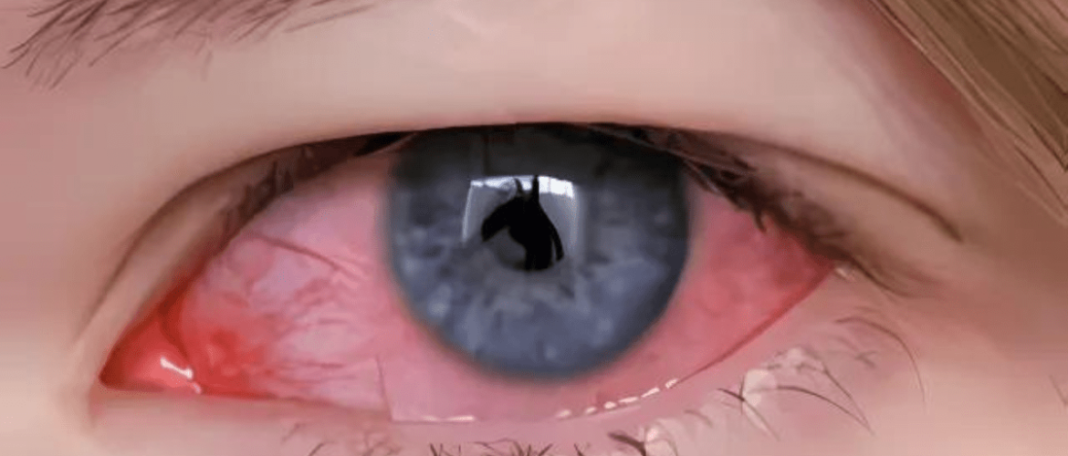
Learn what does pink eye look like, its common symptoms, and how to identify it early to prevent complications and ease discomfort.
Pink eye, medically known as conjunctivitis, is one of the most common eye conditions worldwide. Understanding what does pink eye look like is essential for early identification and treatment. This guide will help you recognize the signs, understand the causes, and explore effective treatments for pink eye.
What Is Pink Eye?
Pink eye is an inflammation of the conjunctiva. Recognize what does pink eye look like to act fast and prevent spreading it to others.
Pink eye occurs when the conjunctiva, the thin clear tissue covering the white part of the eye and inside of the eyelid, becomes inflamed. It can affect one or both eyes and can spread quickly in schools, offices, or homes.
Key characteristics of pink eye include:
- Redness or pinkness in the whites of the eyes
- Swelling of the eyelids
- Discharge that may be watery, yellow, or green
- Itchy or burning sensation
- Sensitivity to light
Types of Pink Eye
| Type of Pink Eye | Causes | Symptoms |
|---|---|---|
| Viral Conjunctivitis | Adenovirus or other viruses | Watery discharge, redness, irritation |
| Bacterial Conjunctivitis | Bacteria like Staphylococcus or Streptococcus | Thick yellow/green discharge, crusting |
| Allergic Conjunctivitis | Pollen, dust, or animal dander | Itchy eyes, tearing, redness |
Each type has distinct visual cues, helping answer the question, what does pink eye look like in different cases.
Symptoms: How to Recognize Pink Eye
Recognize pink eye by redness, swelling, discharge, and itching. Knowing what does pink eye look like helps with early care.
Identifying pink eye early prevents complications and limits spread. Look for these visual and sensory signs:
- Red or pink eye – The white part of the eye turns red or pink.
- Discharge – Bacterial infections often produce thick yellow or green discharge, while viral forms are more watery.
- Swelling – Eyelids may swell, sometimes making eyes appear puffy.
-
Crusting – Eyes may stick shut after sleep due to dried discharge.
-
Itchiness or irritation – Allergic pink eye often causes intense itching.
Causes of Pink Eye
Pink eye can result from viruses, bacteria, or allergens. Identifying the cause helps in understanding what does pink eye look like and proper treatment.
The main causes of pink eye are:
- Viral Infections – Usually accompanies a cold or respiratory infection.
- Bacterial Infections – Highly contagious; often spreads through contact.
- Allergens – Seasonal allergies, dust, or animal dander can trigger allergic pink eye.
- Chemical Irritants – Chlorine in pools, smoke, or cleaning agents.
- Foreign Objects – Dust, debris, or contact lenses left too long.
How Pink Eye Spreads
Pink eye is highly contagious in viral and bacterial forms. Understanding this is crucial to avoid outbreaks:
- Touching your eyes with unwashed hands
- Sharing towels, pillows, or makeup
- Contaminated surfaces like keyboards or door handles
Prevention tips:
- Wash hands frequently
- Avoid touching your eyes
- Use separate towels and pillows
- Clean surfaces regularly
Pink Eye Diagnosis
Doctors diagnose pink eye by checking eye redness, discharge, and irritation. Recognizing what does pink eye look like ensures proper care.
Diagnosis typically involves:
- Examining the eye for redness, swelling, and discharge
- Asking about recent illness or allergies
- Lab tests for bacterial cultures in severe cases
Treatment Options
Treatment depends on the cause:
- Viral Pink Eye: Usually clears on its own in 1–2 weeks. Use artificial tears and cold compresses for relief.
- Bacterial Pink Eye: Antibiotic eye drops or ointments help clear infection.
- Allergic Pink Eye: Antihistamine drops, avoiding allergens, and cold compresses reduce symptoms.
-
General Care: Avoid wearing contact lenses, maintain eye hygiene, and don’t share personal items.
Home Remedies
- Warm or cold compresses – Reduce irritation and swelling
- Artificial tears – Relieve dryness
- Proper hand hygiene – Prevent spread
- Avoid rubbing eyes – Reduces further irritation
-
Clean bedding and towels regularly
Complications of Untreated Pink Eye
| Complication | Description |
|---|---|
| Chronic Conjunctivitis | Persistent inflammation causing discomfort |
| Corneal Involvement | Severe bacterial infections may affect vision |
| Spread to Other Eye | Infections may spread if untreated |
| Impact on Daily Life | Redness, discharge, and itching can affect work and school performance |
When to See a Doctor
Seek medical help if you notice:
- Severe pain or vision changes
- Persistent redness or discharge
- Sensitivity to light
- Symptoms lasting more than 2 weeks
- Fever accompanying eye irritation
How to Manage Pink Eye at Home
- Use clean towels and pillowcases daily
- Apply warm compresses 2–3 times a day
- Avoid contact lenses until infection clears
- Wash hands frequently and avoid touching eyes
- Use prescribed eye drops correctly
Conclusion
Knowing what does pink eye look like helps early detection, treatment, and prevention. Keep eyes clean and monitor symptoms closely.
Recognizing what does pink eye look like is essential for early treatment and avoiding the spread. Redness, swelling, discharge, and itchiness are common signs. Depending on the cause—viral, bacterial, or allergic—treatment varies. Maintaining hygiene, using proper eye care, and consulting a doctor for persistent or severe symptoms can ensure quick recovery and prevent complications.
Read More:- Are Ear Infections Contagious? Causes, Symptoms, and Prevention Tips