


In today’s fast-paced world, people are constantly bombarded with information, choices, and responsibilities. While thinking carefully is essential for making good decisions, excessive thinking often becomes a problem. Many individuals find themselves replaying conversations, worrying about future events, or analyzing every possible outcome of a situation. This mental habit can create stress, anxiety, and exhaustion, making it difficult to enjoy the present moment.
The art of not overthinking is not about avoiding thought altogether. Instead, it is about learning how to think productively without becoming trapped in endless mental loops. When people master this skill, they gain clarity, confidence, and emotional balance. They can make decisions more effectively, focus on what truly matters, and reduce unnecessary stress.
Understanding how overthinking works and learning practical methods to overcome it can transform both personal and professional life. This guide explores the causes, effects, and solutions related to excessive thinking while providing actionable strategies that anyone can implement.
What Is Overthinking?
Overthinking occurs when a person spends excessive time analyzing, worrying, or dwelling on situations. Rather than reaching a conclusion and moving forward, the mind becomes stuck in a cycle of repetitive thoughts. These thoughts may focus on past mistakes, present challenges, or future uncertainties.
People often believe that overthinking helps them prepare for problems. In reality, it frequently creates more confusion than clarity. Instead of finding solutions, individuals become overwhelmed by possibilities and doubts.
The art of not overthinking begins with recognizing this pattern. Once a person becomes aware of repetitive thought cycles, they can take steps to redirect their attention toward constructive actions. This awareness is the foundation for building healthier mental habits and achieving greater emotional resilience.
Why People Tend to Overthink
There are many reasons why individuals fall into the habit of overthinking. Fear of failure, perfectionism, uncertainty, and self-doubt are among the most common causes. When people want everything to go perfectly, they may spend excessive time evaluating every detail.
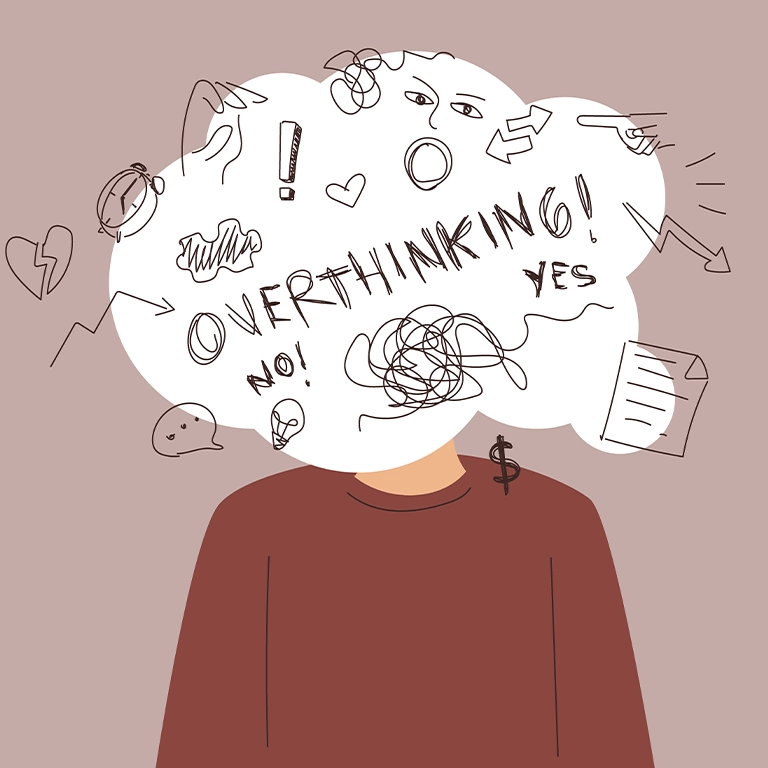
Past experiences also play a significant role. Someone who has faced criticism, disappointment, or unexpected challenges may become more cautious and analytical. While caution can be beneficial, excessive analysis often leads to mental paralysis.
Modern technology contributes as well. Constant exposure to social media, news, and information overload can make it difficult to switch off the mind. Comparing oneself to others and consuming endless content often fuels unnecessary worry.
Understanding these triggers is an important step in mastering the art of not overthinking. By identifying personal patterns and sources of stress, individuals can address the root causes rather than merely treating the symptoms.
The Hidden Costs of Overthinking
Overthinking may seem harmless, but it can have significant consequences for mental and physical well-being. The longer a person remains trapped in repetitive thoughts, the greater the impact on their quality of life.
Some common effects include:
- Increased stress and anxiety
- Difficulty making decisions
- Reduced productivity
- Poor sleep quality
- Lower self-confidence
- Emotional exhaustion
- Strained relationships
When the mind is constantly occupied with worries and analysis, it becomes difficult to focus on the present moment. This can prevent people from enjoying experiences, pursuing opportunities, and maintaining healthy relationships.
Learning the art of not overthinking helps reduce these negative effects and creates space for more meaningful and fulfilling experiences.
The Difference Between Thinking and Overthinking
Understanding the distinction between productive thinking and overthinking is essential. Productive thinking leads to solutions, decisions, and progress. Overthinking, on the other hand, often results in confusion, indecision, and stress.
| Productive Thinking | Overthinking |
|---|---|
| Focuses on solutions | Focuses on problems |
| Leads to action | Leads to paralysis |
| Has a clear purpose | Repeats endlessly |
| Encourages learning | Creates self-doubt |
| Improves decision-making | Delays decisions |
By recognizing these differences, individuals can evaluate whether their thought processes are helping or hindering them. This awareness is a key aspect of the art of not overthinking.
How Overthinking Affects Decision-Making
Decision-making becomes significantly more difficult when a person overthinks. Every choice, regardless of its importance, can feel overwhelming. Instead of selecting an option and moving forward, individuals may spend hours or even days evaluating possibilities.
This phenomenon is often referred to as analysis paralysis. The fear of making the wrong choice causes people to avoid making any choice at all. Ironically, delayed decisions can sometimes create more problems than imperfect decisions.
Successful decision-makers understand that perfection is rarely achievable. They gather relevant information, consider their options, and take action. The art of not overthinking involves trusting oneself to handle outcomes rather than attempting to predict every possible scenario.
The Role of Mindfulness in Reducing Overthinking
Mindfulness is one of the most effective tools for managing excessive thoughts. It involves paying attention to the present moment without judgment. Rather than becoming consumed by worries about the future or regrets about the past, mindfulness encourages awareness of what is happening right now.

Simple mindfulness practices can include focusing on breathing, observing surroundings, or paying close attention to everyday activities. These exercises help train the brain to remain present rather than drifting into repetitive thought patterns.
As mindfulness becomes a regular habit, individuals often notice greater calmness and mental clarity. This makes it easier to practice the art of not overthinking and maintain a balanced perspective during challenging situations.
Simple Mindfulness Techniques
Focused Breathing
Take slow, deep breaths and concentrate on each inhale and exhale. This helps anchor attention in the present moment.
Body Awareness
Pay attention to physical sensations throughout the body. This can reduce mental distractions and increase awareness.
Mindful Observation
Choose an object or environment and observe it carefully without judgment. This exercise strengthens concentration and presence.
Practical Strategies to Stop Overthinking
Developing healthier thinking habits requires consistent effort and practice. Fortunately, several practical strategies can help reduce excessive mental activity.
Set Time Limits for Decisions
Giving yourself a specific timeframe to make decisions prevents endless analysis. Once the time limit expires, commit to a choice and move forward.
Focus on What You Can Control
Many worries involve situations beyond personal control. Redirecting attention toward actionable steps reduces feelings of helplessness and stress.
Challenge Negative Thoughts
Ask yourself whether your concerns are based on facts or assumptions. Often, overthinking is fueled by imagined scenarios rather than reality.
Take Immediate Action
Action breaks the cycle of overthinking. Even small steps can create momentum and reduce mental clutter.
Practice Self-Compassion
Accept that mistakes are part of life. Treating yourself with kindness makes it easier to move forward rather than dwelling on imperfections.
These methods support the art of not overthinking by encouraging constructive behavior and reducing mental overload.
Building Confidence Through Action
Confidence and overthinking are closely connected. People who lack confidence often question their decisions and abilities, leading to excessive analysis. Conversely, taking action builds confidence by providing real-world experience and evidence of capability.
Every successful achievement, regardless of size, reinforces the belief that challenges can be handled effectively. Over time, this reduces the need for constant reassurance and mental debate.
The art of not overthinking is often strengthened through action. Instead of waiting for complete certainty, individuals learn to trust themselves and adapt as circumstances evolve. This mindset promotes growth, resilience, and personal development.
How to Manage Overthinking in Relationships
Relationships can be a major source of overthinking. People may analyze conversations, question intentions, or worry about potential conflicts. While communication is important, excessive analysis can create unnecessary stress and misunderstandings.
Healthy relationships thrive on trust, honesty, and openness. Rather than assuming the worst, it is often more effective to communicate directly and seek clarification when needed.
Some helpful approaches include:
- Asking questions instead of making assumptions
- Focusing on facts rather than interpretations
- Practicing active listening
- Expressing concerns calmly and clearly
- Avoiding constant reassurance-seeking
By applying the art of not overthinking to relationships, individuals can build stronger connections and reduce emotional tension.
Creating a Lifestyle That Supports Mental Clarity
Lifestyle choices significantly influence mental well-being. A healthy routine can reduce stress and make it easier to manage intrusive thoughts.
Prioritize Quality Sleep
Lack of sleep can increase anxiety and make negative thoughts more persistent. Consistent sleep habits support emotional balance and cognitive function.
Exercise Regularly
Physical activity helps reduce stress hormones and promotes the release of mood-enhancing chemicals. Even moderate exercise can improve mental clarity.
Limit Information Overload
Constant exposure to news and social media can overwhelm the mind. Setting boundaries around information consumption helps maintain focus and perspective.
Maintain Healthy Social Connections
Spending time with supportive friends and family provides emotional support and helps reduce feelings of isolation.
These habits complement the art of not overthinking by creating an environment that supports mental and emotional wellness.
Developing a Long-Term Mindset for Peace of Mind
Overcoming overthinking is not a one-time achievement. It is an ongoing process of awareness, practice, and self-improvement. There will be moments when worries arise and uncertainty feels uncomfortable. However, learning to respond differently to these situations creates lasting change.
A long-term mindset involves accepting uncertainty, embracing imperfection, and focusing on progress rather than perfection. It means recognizing that not every question has an immediate answer and not every outcome can be controlled.
The art of not overthinking becomes easier when individuals trust their ability to handle challenges as they arise. Instead of attempting to predict every possibility, they develop confidence in their resilience and adaptability.
Conclusion
The art of not overthinking is a valuable skill that can improve every aspect of life. Excessive thinking often leads to stress, indecision, and emotional exhaustion, while balanced thinking promotes clarity, confidence, and well-being. By understanding the causes of overthinking, recognizing its effects, and applying practical strategies, individuals can break free from repetitive thought patterns and focus on meaningful action.
Read more: Fast Food: Understanding Its Popularity, Benefits, and Impact on Modern Life